Get Full Government Meeting Transcripts, Videos, & Alerts Forever!
Get email alerts on the Recycled Water Fees topic
No spam. Unsubscribe anytime.
DEQ seeks stable funding for recycled water program; committee approves consolidated fee chapter
Summary
DEQ proposed consolidating environmental fees into a single chapter (IDAPA 58.01.14) and adding a new recycled water permit fee to sustain the state's recycled water program. DEQ said federal funding has not kept pace with inflation and estimated an additional $200,000 annually would address program needs. The committee approved the docket, with
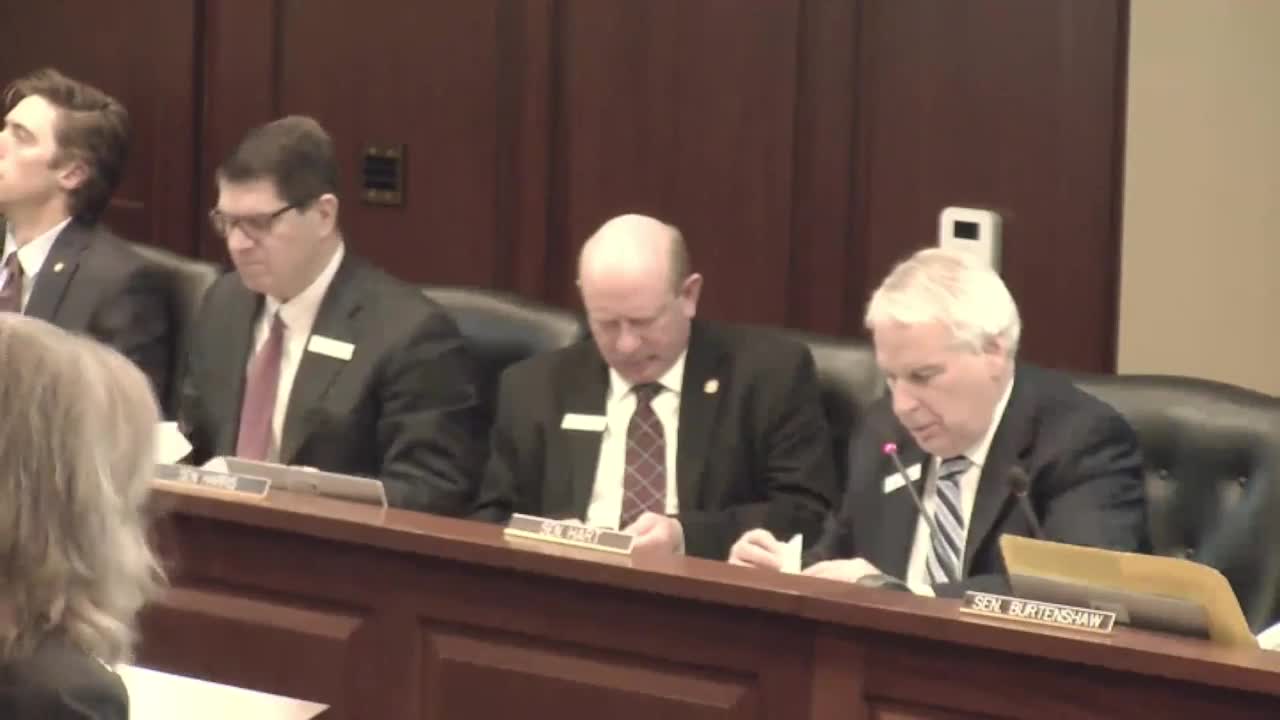
The Senate Resources & Environment Committee voted to approve a DEQ rulemaking to consolidate environmental fees into one chapter and to create a fee schedule for recycled water permits, after a presentation by Mary Ann Nelson, surface and wastewater division administrator at the Idaho Department of Environmental Quality.
Nelson described the recycled water program's growth — from about 75 active permits in 2005 to nearly 150 in 2023 — and said federal Section 106 grant dollars have not kept pace with inflation. DEQ presented three fee models (fixed annual cost, application-only fee, and hybrid) and said stakeholders selected a fixed annual cost approach projected to generate about $200,000 a year to sustain permit reviews, inspections and program oversight. Nelson said the fee structure is designed to scale and avoid undue burden on smaller facilities.
DEQ also proposed consolidating existing fee schedules (including IPDES fee schedules) into a single chapter to simplify access and to add definitions for reuse permits and de minimis categories. Nelson told the committee the consolidated chapter creates a single reference for regulated parties and that the fee table in the pending rules was derived from a review of seven health-district fee schedules (minimum values selected from each).
Committee discussion: committee members questioned whether local health districts would still collect fees; Nelson said the rule sets minimums and criteria and that health districts currently implement the permitting program under contract; DEQ would collect fees only if a health district could not perform the service. Senator Guthrie asked about land-application impacts; Nelson said DEQ bases permit limits on agronomic uptake (crop nutrient uptake) and treatment levels to avoid groundwater impacts.
Action: Senator Taylor moved to approve docket 58-0114-2401; Senator Cook seconded the motion. The motion passed by voice vote. The transcript records Senator Harris asked to be recorded as a no vote on the docket when the committee later took the roll to record votes.
DEQ said negotiated rulemaking included representatives from the Idaho Conservation League, Association of Idaho Cities, Idaho Power, Idaho National Laboratory, sewer districts, municipalities and consultants; the draft was published in the Idaho Administrative Bulletin and presented to the Board of Environmental Quality on Nov. 14, 2024. DEQ emphasized the fee proposal aims to provide sustainable, predictable funding for recycled water permitting and program stability.