Get Full Government Meeting Transcripts, Videos, & Alerts Forever!
Get email alerts on the Medical Residencies topic
No spam. Unsubscribe anytime.
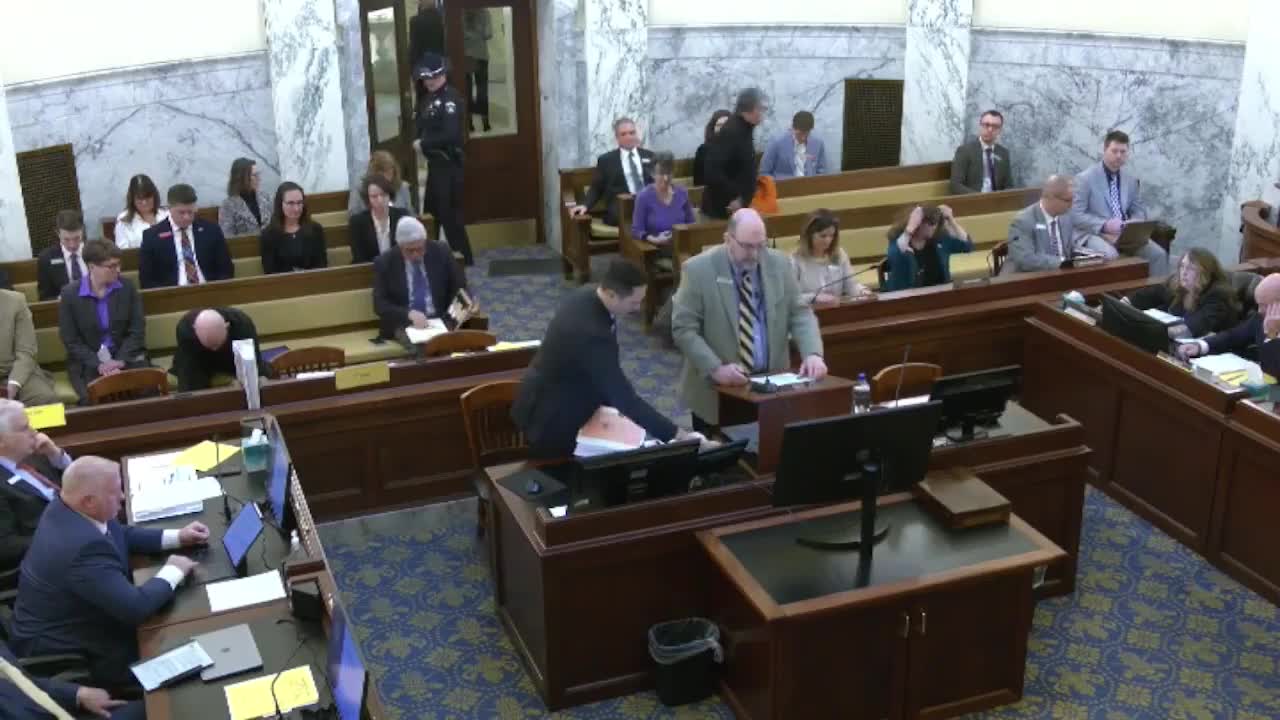
Lawmakers hear plans to expand medical residencies to boost Idaho physician supply
Summary
Legislative analysts and residency program directors told the Joint Finance Corporation Committee that state-supported residency funding has enabled rapid growth in graduate medical education and is essential to retaining physicians in Idaho, with proposals to add positions and continue a 10-year expansion plan.
Legislative analysts and program directors briefed the Joint Finance Corporation Committee on Idaho's medical residency programs and funding requests, describing rapid expansion since a statewide 10-year plan began and arguing the state share for residency slots helps retain physicians.
Kevin Campbell, budget analyst with the Legislative Services Office, summarized multiple residency programs and funding history, noting Idaho's residency retention rate among graduates is high: he cited an American Medical Association statistic that "55 percent of graduates of Idaho residencies and fellowships stay in Idaho." Campbell outlined that the state's portion of support for a resident in 2026 is approximately $210,000 per year and that residency funding is structured as a three-way partnership among sponsoring institutions, health systems and state appropriations.
Why it matters: committee members emphasized that training physicians in-state is a primary strategy to address Idaho's low physicians-per-capita ranking; lawmakers and program directors described measurable growth in capacity and retention tied to state investments.
Key points and program details - Program scale and growth: Witnesses said Idaho expanded graduate medical education from about nine residency programs and 134 residents roughly six years earlier to about 16 programs and 262 residents now as part of a multi-year expansion. - Costs and funding model: The typical per-resident cost in recent years was described as roughly $210,000 annually; historically that figure was closer to $180,000, and the state typically covers roughly one third of program costs while hospitals and sponsoring institutions cover the remainder. - Specific program requests and capacity: Eastern Idaho Medical Residency (EIMR) sought funding to grow psychiatry slots (a four-year psychiatric residency), Boise Internal Medicine requested additional slots and a fellowship in addiction medicine, and Family Medicine Residency (FMR) programs across the state asked for new resident positions, including a St. Alphonsus/Nampa program requesting six new residents and associated fellowship funding. - Retention and service: Program directors reported strong early retention for many residency tracks and stressed that residents provide direct care while in training: Dr. Matthew Larson said residents "see patients every day," adding that his psychiatry program already places trainees in clinics and hospitals and that growth will increase capacity in underserved areas.
Committee exchanges and follow-up Committee members asked for data on outcomes and the operational impact of residents in rural communities, the training mix (obstetrics, psychiatry, internal medicine) and whether additional state investment would expand capacity in areas such as child psychiatry. Dr. Larson described psychiatry supply and long wait times for specialty mental-health care, while Dr. Mo Hagman and Dr. Brandon Mickelson described program retention rates above 50% overall and, for some family medicine programs, retention near 65%.
Department and program remarks - Kevin Campbell (Legislative Services Office) reviewed appropriation history, noting past supplemental rescissions restored for residencies and a pattern of steady legislative increases in resident slots. - Program directors said the state's investment has been pivotal: Dr. Mickelson (ISU family medicine) and Dr. Epperly (family medicine) described Idaho's three-way funding model as a regional best practice that other states look to replicate.
Ending: Program directors asked the committee to continue the multi-year plan and emphasized that the state-funded residency slots not only help retain physicians long term but also expand near-term clinical capacity because residents provide patient care during training. Members asked analysts to keep the committee informed about recruitment, retention and opportunities for further targeted investments such as child psychiatry or rural-focused tracks.