Get Full Government Meeting Transcripts, Videos, & Alerts Forever!
Get email alerts on the Animal Welfare Pet Stores topic
No spam. Unsubscribe anytime.
Testimony splits on bill to let municipalities ban sales of dogs, cats and rabbits in pet stores
Summary
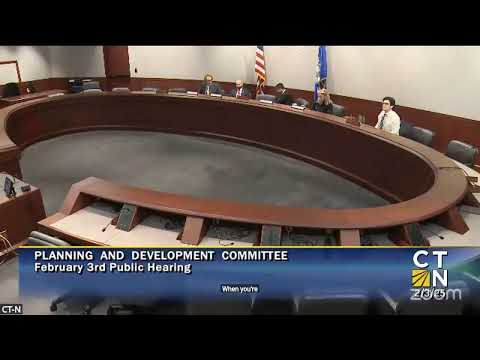
Public testimony split at the Feb. 3 Planning and Development Committee hearing on House Bill 6832: rescues and animal‑welfare advocates urged a ban on retail sales to reduce overpopulation and animal suffering; pet store representatives and some residents warned that banning sales would push buyers to unregulated breeders and scams.
House Bill 6832, which would permit municipalities to prohibit retail sales of dogs, cats and rabbits in pet stores, drew both emotional appeals from rescue groups and practical objections from store owners and customers during a Feb. 3 public hearing before the Planning and Development Committee.
Rescue volunteers and advocates described an ongoing animal‑welfare crisis in Connecticut, saying shelters are full and many animals are euthanized. "There is a crisis in Connecticut, and it's getting exponentially worse," said Jennifer Pappas, a rescue worker from New Fairfield. She described repeated cases of abandonment and death and told the committee rescues operate under state rules and reporting: "Pet stores are profit driven. Rescues are not."
Several former pet‑store customers and residents said regulated retail stores provide consumer protections and a legal, verifiable option that prevents scams and unsafe sourcing. "Regulated pet stores like ours offer a safe and reliable option for families and animals," said Sai Govada, who testified she works with a retail pet store; Govada said regulated shops maintain veterinary checks and sourcing standards that she said would be lost if customers had to turn to unregulated breeders.
Other witnesses described personal experiences that illustrated the policy tradeoffs. Anupama, a New Haven resident, described adopting a cat from a shelter and later buying a small dog from a pet store after being scammed by an online breeder. That contrast shaped her testimony opposing a wholesale ban: she said warranties, health histories and return options at a regulated store were decisive in her choice.
State Representative Jonathan Jacobson, drawing on municipal experience in Stamford, framed the debate as primarily about local control. "The number one theme that you've had all day today has been two words, local control," he told the committee, arguing municipalities and their legislative bodies should be able to decide whether to allow or ban pet‑store sales.
Committee members asked clarifying questions but did not take a formal vote during the hearing. Testimony included claims about the scale of the animal‑welfare problem and about how regulated pet stores operate; those assertions were often anecdotal, and witnesses on both sides urged the legislature to consider enforcement, consumer protections, and local regulatory options.
No formal outcome was recorded at the hearing. The committee accepted written testimony and in‑person statements and may consider amendments or local‑control language in further sessions.