Get Full Government Meeting Transcripts, Videos, & Alerts Forever!
Get email alerts on the Finance Audit topic
No spam. Unsubscribe anytime.
Auditor gives Anderson 5 an unmodified opinion; fund balances, procurement and school‑level risks discussed
Summary
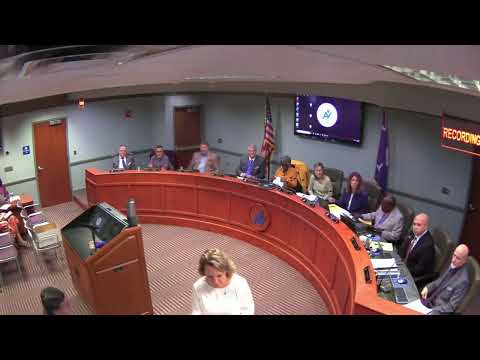
External auditor presented the fiscal year 2024 audit and procurement review to the Anderson School District 5 board, issuing an unmodified opinion, reporting a $38.4 million general fund balance, no procurement findings, and recommending attention to school‑level activity accounts and booster clubs.
An external audit presentation to the Anderson School District 5 Board of Trustees summarized the district’s FY24 financial results, procurement review and internal‑control observations and concluded with an unmodified (clean) audit opinion.
Audit partner Ken Meadows (Greene County audit engagement) told trustees the district received an unmodified opinion for the financial statements and highlighted a general fund fund balance decrease of about $3.5 million to $38.4 million at year end. Meadows said the unassigned fund balance represented about 26% of actual expenditures — roughly three months of operating expenses — above the Government Finance Officers Association (GFOA) recommended minimum of about 16.7%.
Revenues for the general fund totaled roughly $151 million for the year, with approximately $87 million from the state and about $58.6 million from property taxes. Expenditures rose about $6 million (roughly 4%) from the prior year, driven primarily by instruction and support services; expenditures were under budget by about $3 million largely because some positions were unfilled and ESSER funds covered expenses that had been budgeted in the general fund.
Meadows reviewed other funds and capital activity: capital assets increased by about $4.9 million with construction additions near $7.4 million (including a TL Hanna roof and HVAC projects at Westside and Calhoun), machinery and equipment purchases near $6 million (camera systems, teacher laptops, culinary equipment and a playground), and a capital projects fund balance that the auditor described as "very healthy." Long‑term obligations decreased by about $2.6 million due to principal payments, leaving roughly $164 million in outstanding debt (the auditor said that figure excludes the state's pension/OPEB allocations).
On procurement, the auditor reported state‑mandated agreed‑upon procedures covering a representative sample of contracts, construction procurements and purchase card activity. The procurement review produced no findings and the state accepted the procurement report. Meadows also described a routine physical inventory of the warehouse with one small discrepancy and affirmed controls appeared sound.
The audit team raised school‑level control observations: pupil activity (school funds) and volunteer‑run booster clubs remain higher‑risk areas because large volumes of cash historically came into schools at the point of sale for items such as yearbooks, fundraisers and concessions. The auditor recommended continued oversight and periodic checks; district staff noted finance already does periodic audits of schools and has implemented background checks for booster club treasurers as required by state law.
Separately, the district finance director reported current‑month fluctuations in local option sales tax collections (approximately $1.3 million received for an October collection in December) and a December monthly fund balance that appeared negative $75,000 on the internal monthly statement; staff characterized that as a timing issue tied to property‑tax receipts and said they would investigate and publish the statement online the following morning.
Trustees asked for additional detail on increased instruction and support spending; staff attributed most of the increase to salaries and benefits (teacher pay, teaching assistants added as ESSER funding phased out) and rising insurance costs. The audit partner and finance staff offered to provide school‑by‑school details on how many instructional assistants and intervention positions were now funded from the general fund versus federal grants.