Get Full Government Meeting Transcripts, Videos, & Alerts Forever!
Get email alerts on the Solid Waste Fee topic
No spam. Unsubscribe anytime.
Jacksonville councilman unveils proposal to repeal $18 cap and raise residential trash fee; low-income exemption proposed
Summary
Councilman Matt Carlucci, an at-large member, introduced an ordinance to repeal Jacksonville’s $18 cap on the residential solid-waste assessment and to raise the monthly residential trash fee from $12.65 to a proposed $30.40 or to phase in increases over multiple years.
Councilman Matt Carlucci, an at-large member, introduced an ordinance to repeal the city’s $18 cap on the residential solid-waste assessment and to increase the monthly residential trash fee from the current $12.65 to a proposed $30.40 or to phase in smaller increases over multiple years.
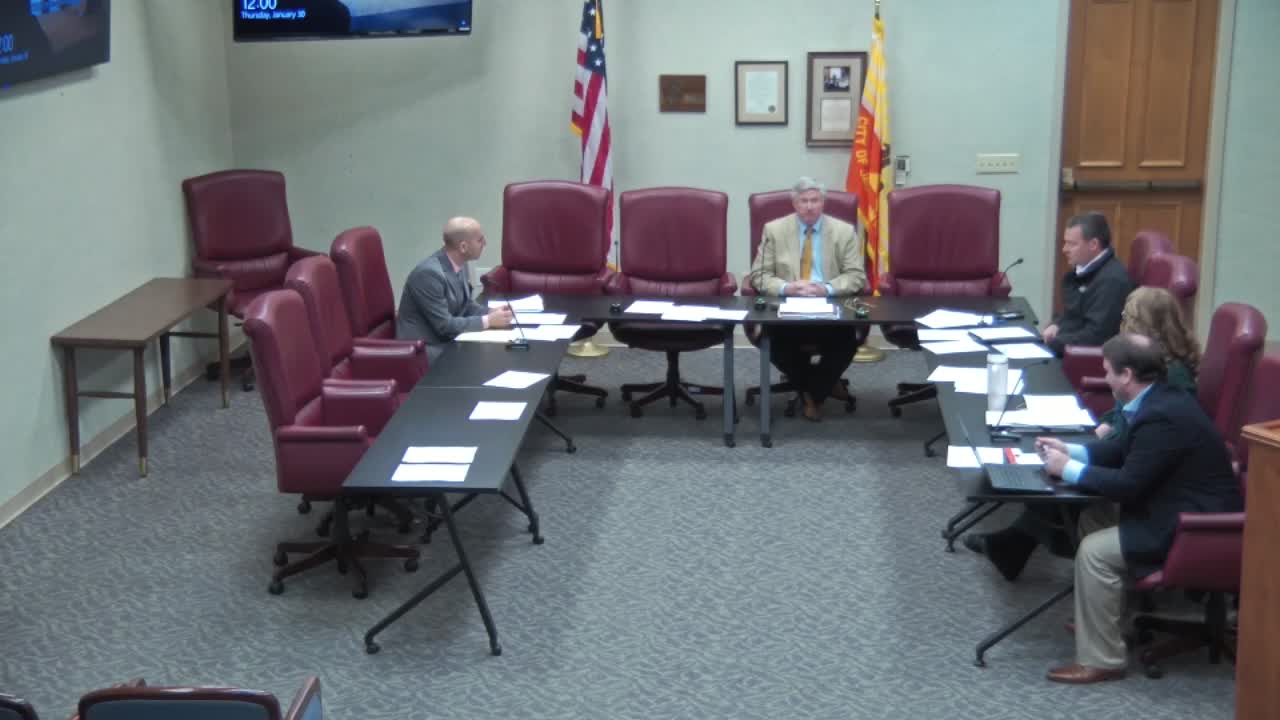
Why it matters: Carlucci said the change aims to reduce a growing general-fund loan that the city has used to cover solid-waste operating shortfalls. “This is literally a kind of a $40,000,000 vote right here,” Councilman Matt Carlucci said during the workshop, framing the increase as a choice between raising the fee or continuing to carry rising loan balances.
City auditors and legal staff outlined the financial and procedural implications. Kim Taylor, council auditor, said if the fee remains at the current $12.65 “we have about a $40,000,000 loan from the general fund that grows to about $48,000,000 next year.” Taylor told the council the proposed $30.40 figure is intended to reach a cost-neutral level for the year and that phased increases would slow but not immediately eliminate the loan balance.
The ordinance text before the council would also repeal the statutory or code cap (currently $18). Council legal staff, represented by Dylan Reingold of the office of general counsel, said removing the cap triggers required public notice and that the change could affect existing interlocal agreements with neighboring municipalities. “Once you enter up, get into an interlocal agreement, you're kind of opening up a can of worms,” Reingold said, explaining that Atlantic Beach and other municipalities would need to negotiate how they participate if the city changes its fee structure.
Three fee paths were discussed: an immediate one-step increase to roughly $30.40 that council auditors described as moving toward cost neutrality for the city’s solid-waste fund; a two-step phase-in (example figures discussed included $20 in year one then roughly $31 later); and a three-step phase-in (for example, $20 then $25 then about $31). Auditors emphasized that under any phased approach the council would still set or confirm the fee annually through the budget or separate legislation.
Carlucci also introduced a companion ordinance to create a low-income exemption for the solid-waste assessment modeled on the city’s stormwater exemption. The proposed threshold in the companion bill is 150% of the federal poverty level; staff said the exemption process would use the same application and deadline structure already used for the stormwater program. Brian Parks of the council auditor’s office said stormwater program applications were in the thousands in recent years, noting “2023 was 3,162” applicants as one reference point, and cautioned that uptake of a new solid-waste exemption could affect revenue projections.
City finance staff said the solid-waste enterprise also receives roughly $15 million a year from a franchise fee assessed on commercial haulers; staff said the analysis shown to council did not include costs associated with exemptions because the enterprise fee cannot legally fund exemptions and any exemption costs would fall to the general fund unless otherwise negotiated.
Council members discussed alternatives, including paying the shortfall from the general fund or changing service delivery through future contract consolidation with private haulers. Members warned the general fund option would add to projected deficits and that negotiating or collapsing interlocal agreements with neighboring municipalities would require lengthy discussions and could raise additional issues.
No formal vote was taken at the workshop. Council members directed that the proposals move forward to committee; Carlucci said he expected the matter to be heard by the finance committee the following week and that further ordinances and public notices would follow under the city’s process for changing the assessment cap.
Ending: The council did not take final action at the workshop; staff will provide further analysis and the proposals will advance through the council committee and ordinance process before any fee change or exemption program is adopted.