Get Full Government Meeting Transcripts, Videos, & Alerts Forever!
Jacksonville council committee revises right-of-way permit bill after industry, public works debate over bonds, notices and inspectors
Summary
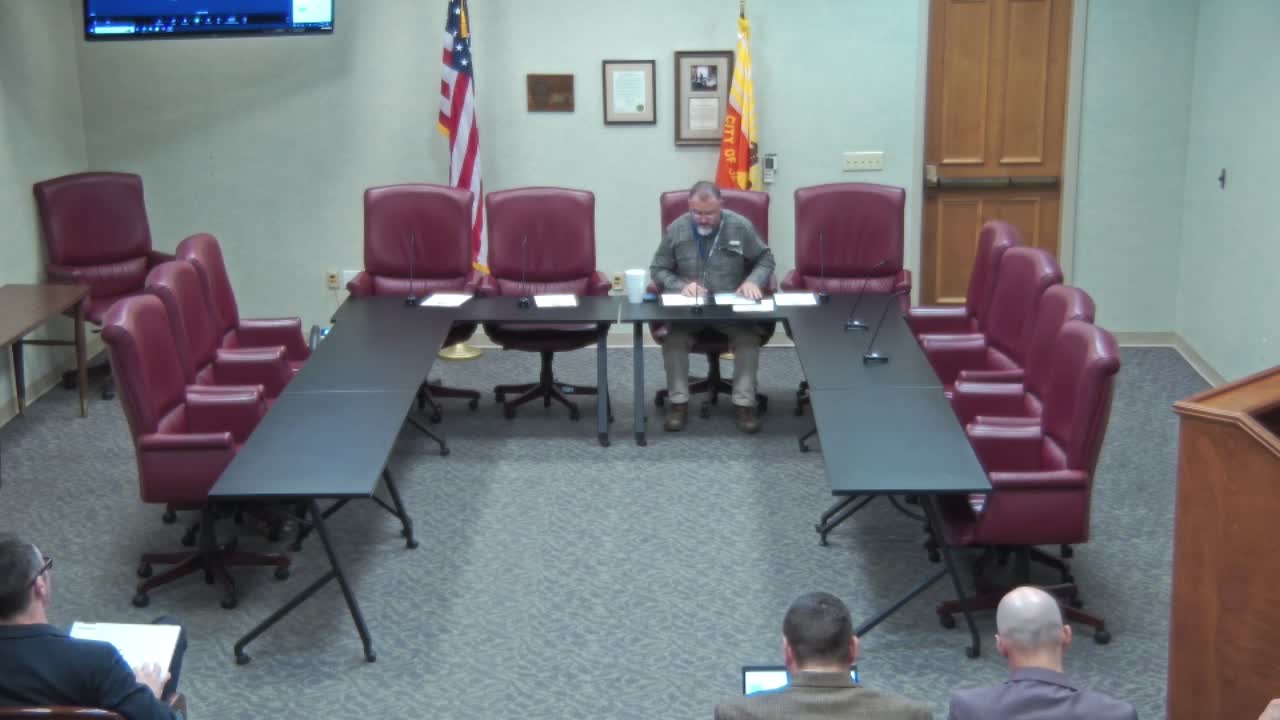
Jacksonville council members and city staff met at a notice session to review proposed changes in ordinance 20240950, a rewrite of the city's right-of-way permitting rules that would change how projects are categorized, how much surety (bond) applicants must post, what community notice is required and whether construction engineering inspection (CEI) checkpoints are mandatory.
Jacksonville council members and city staff met at a notice session to review proposed changes in ordinance 20240950, a rewrite of the city's right-of-way permitting rules that would change how projects are categorized, how much surety (bond) applicants must post, what community notice is required and whether construction engineering inspection (CEI) checkpoints are mandatory.
The discussion matters to utilities, contractors and neighbors because the bill would set minimum financial guarantees and process rules for any work in the public right of way, from single-family driveway ties to major utility projects. Council staff said they will circulate revised language and bring the item back to committee for further debate.
City staff and the bill's sponsors presented a spreadsheet that compares current code, the council's proposed bill and an industry'supplied substitute. Mr. Teal, a legislative staff member who led the briefing, said the spreadsheet highlights differences in project-size definitions, surety amounts, notice requirements and CEI expectations.
Under the council's current proposal, work limited to a single residential property would fall into a lower-tier category (C1) and carry a $10,000 per-project surety and no required community-notice or CEI checkpoints. All other work (C2) would be treated as a larger project and would require a surety equal to 100% of project cost with a…
Already have an account? Log in
Subscribe to keep reading
Unlock the rest of this article — and every article on Citizen Portal.
- Unlimited articles
- AI-powered breakdowns of topics, speakers, decisions, and budgets
- Instant alerts when your location has a new meeting
- Follow topics and more locations
- 1,000 AI Insights / month, plus AI Chat