Get Full Government Meeting Transcripts, Videos, & Alerts Forever!
Get email alerts on the School Finance topic
No spam. Unsubscribe anytime.
Mansfield Public Schools proposes FY26 level-services budget, flags $646K in textbooks and technology for possible capital shift
Summary
School leaders presented a level-services FY2026 budget that would raise operating spending about 4.7% before planned capital moves; special education and contractual obligations are the largest drivers.
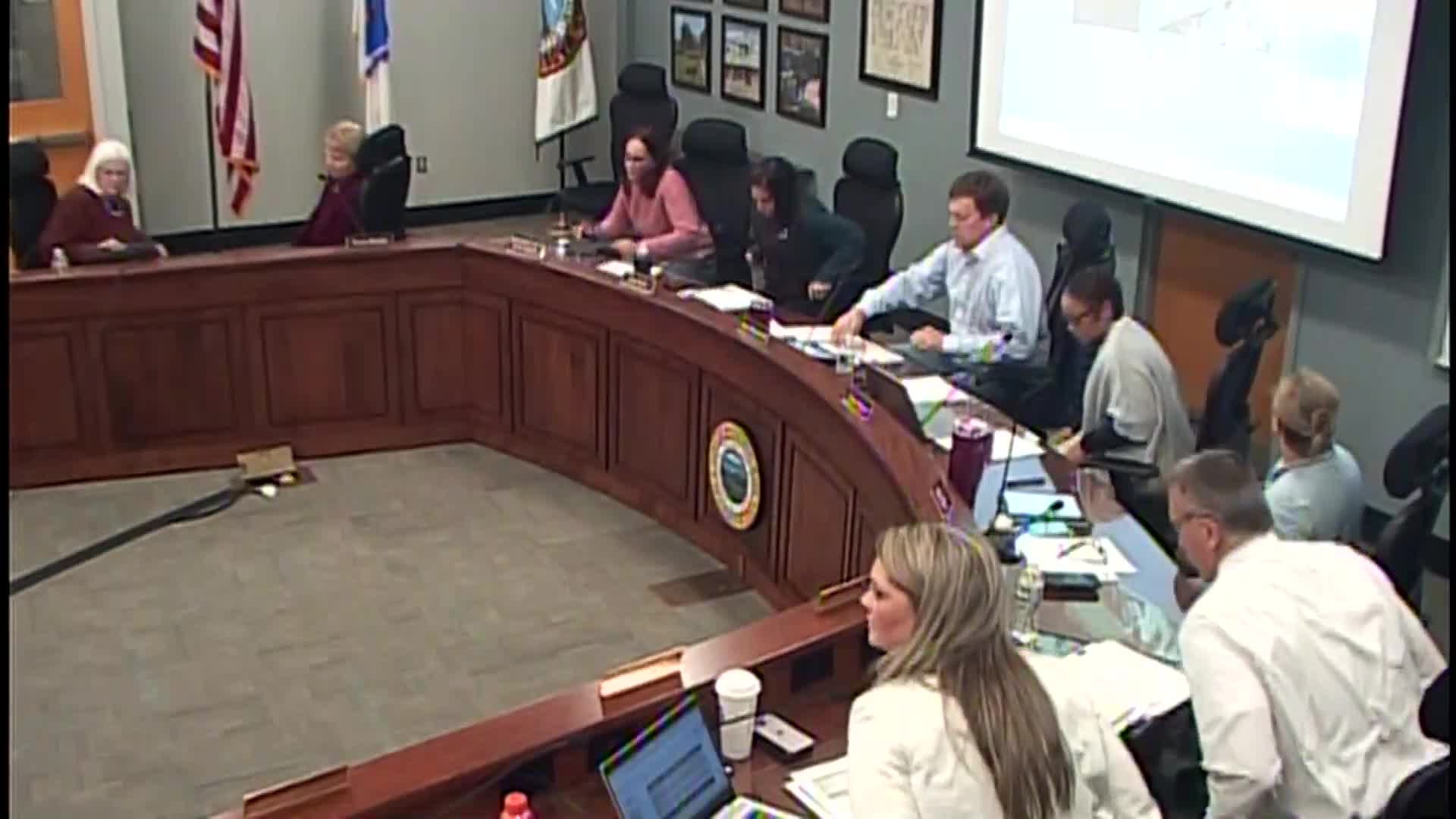
Mansfield School Committee members heard a detailed presentation Jan. 14 on the school district’s proposed fiscal year 2026 operating budget, a level-of-services plan that the administration said would rise about 4.7% over FY25 before anticipated capital reclassifications.
The presentation, led by Assistant Superintendent Ed Donnelly, said the draft operating request totals roughly $62,668,461 and would be driven primarily by salaries, special education costs and transportation contracts. Donnelly described the package as a “current services” budget that rolls most staff and programs forward without added positions.
The district’s salary and wage request is the largest single line, about $49,117,068, Donnelly said, reflecting contractual obligations and anticipated settlements for multiple bargaining units. “This budget we’re presenting tonight is the same dollar value,” he said in opening remarks as administrators prepared to walk through cost centers.
Special education is a major cost driver. Director of Special Education Jessica Davis said the special education operating request is roughly $5.5 million, about a $600,000 (13%) increase over FY25, with higher projected tuition and contracted services as primary causes. Davis said the district expects an increased use of the state “circuit breaker” reimbursement to offset out-of-district tuition costs and that the district is accounting for inflation in contracted services and nursing/therapeutic supports.
Donnelly outlined other notable elements: projected fuel savings from recently installed high-school boilers, an anticipated increase in transportation costs tied to an option year in the Connelly Bus contract, and a lower technology replacement need this year (an “off year” for Chromebooks). He said two items—textbooks ($456,000) and technology replacements ($189,000), roughly $646,000 total—are likely to be shifted from the operating budget into capital projects, which would reduce the operating increase from 4.7% to about 3.61%.
Principals and program leaders described school-level priorities that feed the budget. Russ Booth, assistant superintendent and high school lead for the presentation, highlighted expanded AP offerings (from 15 to 19 courses, with a 20th planned) and growing dual-enrollment and career practicum opportunities. Matt McGuire, Qualters Middle School principal, said the new “Hive Block” flexible period and planned math instructional-material purchases are reflected in his building’s request. Jordan Jackson and Robinson elementary principals described a K–5 rollout of a new high-quality literacy program and a K–5 math adoption that are contributing to textbook line increases.
Enrollment trends and staffing: Donnelly presented enrollment at approximately 3,210 students and said the district’s head count has largely leveled, limiting further staffing reductions based on lower enrollment. The district projects roughly 618 full-time-equivalent staff funded through operating, grant and revolving accounts in FY26, with about 510 FTEs funded directly through the operating budget.
Budget tradeoffs and next steps: Donnelly told the committee the town has signaled a possible additional reduction request of about $500,000; the administration said it intends to identify goods-and-services offsets rather than reduce staff. He also said capital reclassification of textbooks and technology remains under discussion with the town and the Finance Committee; if the $646,000 shifts to capital and an additional $500,000 in goods-and-services reductions are made, the projected operating increase would fall to roughly 2.78%.
Why it matters: The FY26 operating request shapes the district’s staffing, textbooks and programming plans and affects the town’s tax-and-budget cycle. Special education spending and bus contracts are common drivers in Massachusetts districts; Mansfield’s plan signals places where the town and schools are negotiating tradeoffs.
Donnelly and other administrators said the proposal will continue through budget-subcommittee meetings and a joint “tri-board” meeting with town leaders before the committee finalizes a warrant article.
Ending: The committee did not vote on the budget at the Jan. 14 meeting; the presentation will move into follow-up meetings with the Finance Committee and the town before final adoption later in the budget season.