Get Full Government Meeting Transcripts, Videos, & Alerts Forever!
Get email alerts on the Meeting Procedure topic
No spam. Unsubscribe anytime.
Sarasota commissioners debate stricter use of Robert’s Rules, timing limits and role of parliamentarian
Summary
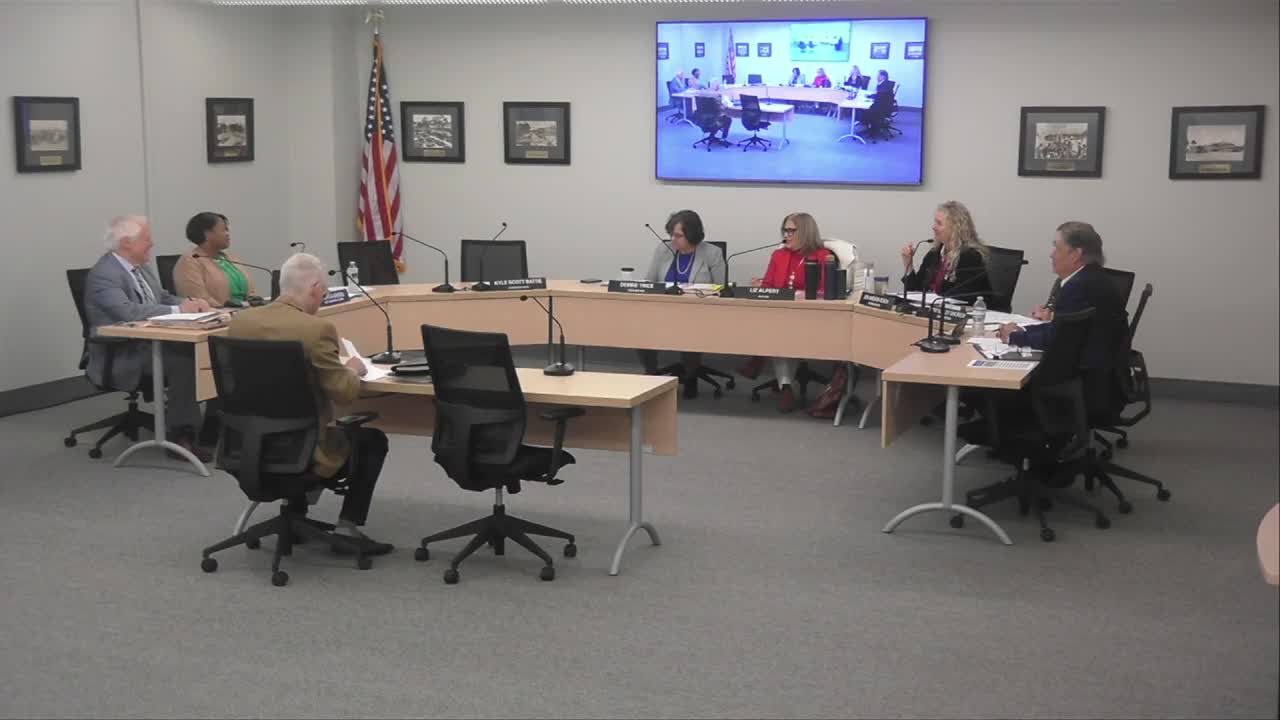
At a Jan. 14 City Commission workshop, commissioners spent most of the session debating how to tighten meeting procedures, from limiting rounds of commissioner questions to formally empowering the city auditor and clerk to serve as parliamentarian.
At a Jan. 14 City Commission workshop, commissioners spent most of the session debating how to tighten meeting procedures, from limiting rounds of commissioner questions to formally empowering the city auditor and clerk to serve as parliamentarian.
The discussion centered on how strictly to follow Robert’s Rules of Order, whether the meeting “Q&A” portion should remain, who should be allowed to speak and when, and how to enforce the city’s rules of procedure. Commissioner Ahern Koch urged a more literal application of Robert’s Rules, saying, “Q and A is Q and A. Then you close the public hearing. Someone makes the motion, and then you speak only to the motion,” and proposing that question rounds be limited to a small number of discrete questions rather than extended statements.
Why it matters: The commission’s operating practices determine how staff and the public interact with elected officials and how efficiently the body moves through its agenda. Commissioners said clearer rules would reduce off‑topic discussion, avoid repeat questioning and allow staff to prepare better for meetings.
Key proposals and debate
- Enforce Robert’s Rules. Several commissioners asked the body to adhere more strictly to Robert’s Rules of Order for debate and motions. Under that approach, questioning would be limited to requests for factual clarification, and extended statements would be reserved for debate on a motion.
- Limit commissioner time by rounds, not beepers. Some commissioners proposed replacing automatic timed lights/beepers with a limit on the number of questions per round (for example, three questions per round) and only allowing second speaking turns after others have had their first turn.
- Empower the auditor and clerk as parliamentarian. Commissioners repeatedly cited the City Charter (Article 6, Section 5) to say the city auditor and clerk “shall attend city commission meetings and serve as the commission’s parliamentarian.” Several commissioners urged formally giving Miss Griggs, the auditor and clerk, clearer authority in the meeting to call points of order and enforce procedure.
- 17‑day rule and agenda changes. Commissioners debated enforcement of the 17‑day rule requiring presenters to submit written summaries and backup materials in advance. Some commissioners said late additions to agendas have become routine; others said the rule should be enforced or clarified and that a two‑thirds vote is required by the rules to allow late additions.
- Public comment and code of conduct. Commissioners discussed clearer statements for public comment (for example, reminding speakers that the period is not a Q&A and that comments should be directed to the mayor). The group debated who should call out off‑topic remarks and personal attacks. City Attorney Bob Fournier advised that courts distinguish between attacks on a position and personal attacks on an individual and that many applications of the law are fact‑specific.
- Who enforces rules. Commissioners returned several times to one question: who stops speakers when they stray? Several said consistency matters and suggested the parliamentarian or mayor make determinations, with the city attorney available for legal questions.
Next steps and process
Staff said they will compile the proposals discussed at the workshop and bring a draft of the revised rules/procedures back to the commission for confirmation and a formal vote. The mayor asked that the clerk and staff present suggested language and citations for any rule changes so the commission can confirm exactly which rules would change.
Ending
The commission did not adopt any formal changes at the workshop. Staff will prepare a written package of proposed edits and procedural clarifications for a future public meeting where the commission can vote on specific rule revisions.