Get Full Government Meeting Transcripts, Videos, & Alerts Forever!
Get email alerts on the Care Provider Abuse topic
No spam. Unsubscribe anytime.
Senate approves care-provider abuse bill after debate over consent and protections for vulnerable patients
Summary
The Utah Senate on Feb. 3 approved Second Substitute Senate Bill 81, a measure addressing intimate conduct between care providers and patients in settings where licensing does not provide a sanction, after floor debate about consent and protections for vulnerable residents.
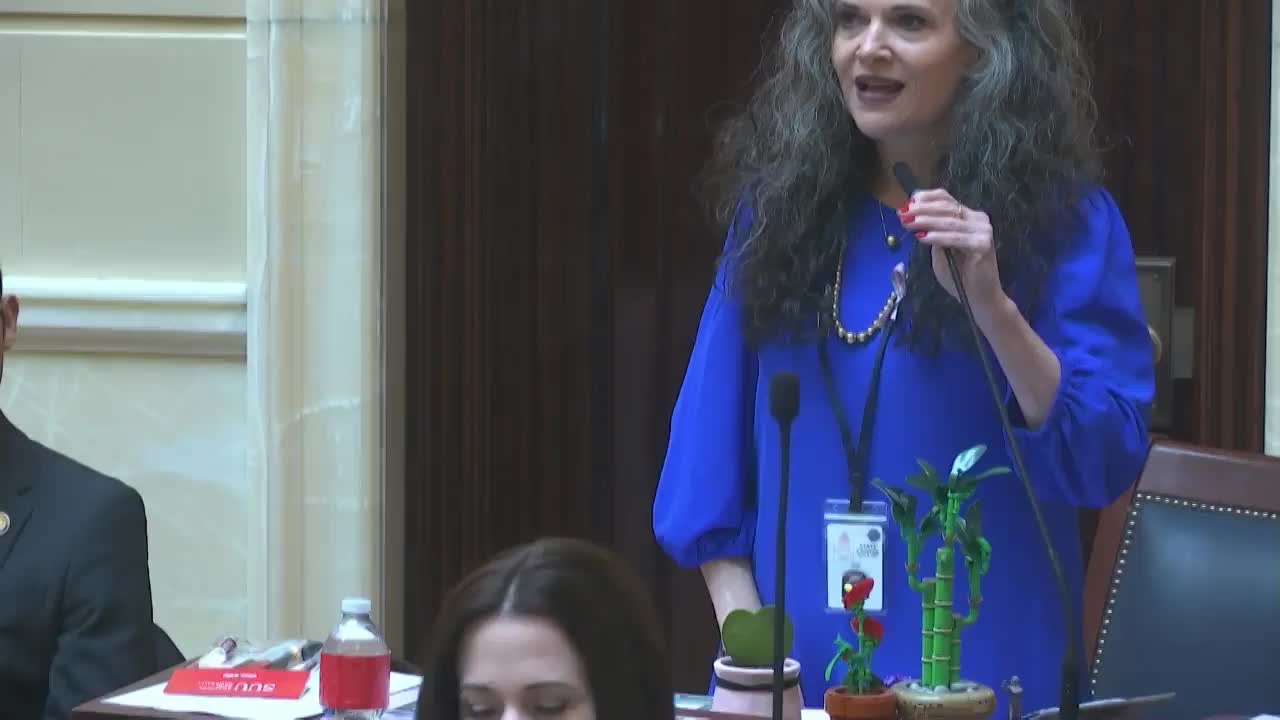
The Utah Senate on Feb. 3 approved Second Substitute Senate Bill 81, titled “care provider abuse modifications,” which targets intimate encounters between care providers and patients in settings where the provider is not subject to a professional licensing sanction process. Sponsor Senator Plumb introduced the bill and said it arose from reports to the attorney general’s office about encounters involving non‑licensed caregivers.
Plumb said lawmakers and stakeholders — including prosecutors, defense attorneys, victims’ advocates and families — worked for months to draft language aimed at protecting patients without weakening existing criminal protections. She said the bill applies to consensual intimate activity in contexts where there is no other licensing remedy and “adds additional protections to patients.”
Senator Lincoln Fillmore pressed the sponsor on how the bill defines vulnerability and whether the measure could reduce felony prosecutions to misdemeanors for cases in which a patient is unable to consent. Fillmore described concerns about residents with advanced dementia and said, if a person “could not give consent,” treating the conduct as a misdemeanor would be inappropriate. He said he would vote against the bill unless those concerns were addressed.
Plumb answered that the legislation was drafted specifically to avoid that outcome and that nonconsensual sexual activity remains a separate and more serious offense; the sponsor said the intent was not to decriminalize sexual assault but to create a pathway to hold non‑licensed caregivers accountable in situations that involve consent and where licensing sanctions are unavailable.
Senator Wyler, addressing the chamber before the vote, said prosecutors face practical difficulties proving some sexual‑offense elements months after the fact and that the bill does not condone wrongdoing against people who cannot consent. He said the measure should deter would‑be offenders and improve enforceability.
After debate, the Senate voted to pass the second substitute. The roll call and final tally for the bill were not specified in the chamber transcript excerpt; the clerk announced only that the bill “passes this body and will be sent to the House for their consideration.”
The bill now moves to the Utah House of Representatives for further consideration; the sponsor indicated stakeholders including the attorney general’s office and prosecutors had been involved in drafting but did not cite a specific statute amended by this measure.
Context: The bill grew from concerns reported to the attorney general’s office about intimate encounters involving caregivers who are not licensed and therefore not subject to professional disciplinary processes. Supporters described the measure as a targeted tool to protect patients in short‑term or nonlicensed‑care settings; critics warned language must clearly preserve felony penalties for nonconsensual conduct.