Get Full Government Meeting Transcripts, Videos, & Alerts Forever!
Get email alerts on the Protest And Assembly topic
No spam. Unsubscribe anytime.
Committee adopts substitute for HB 271 to clarify unlawful disruption of private meetings
Summary
House Bill 271, which clarifies the mens rea and conduct required to criminalize obstructing or disrupting private meetings (for example, church services blocked by loud protests), was adopted as a substitute and passed out favorably after the sponsor said it narrows existing language to help law enforcement apply the code.
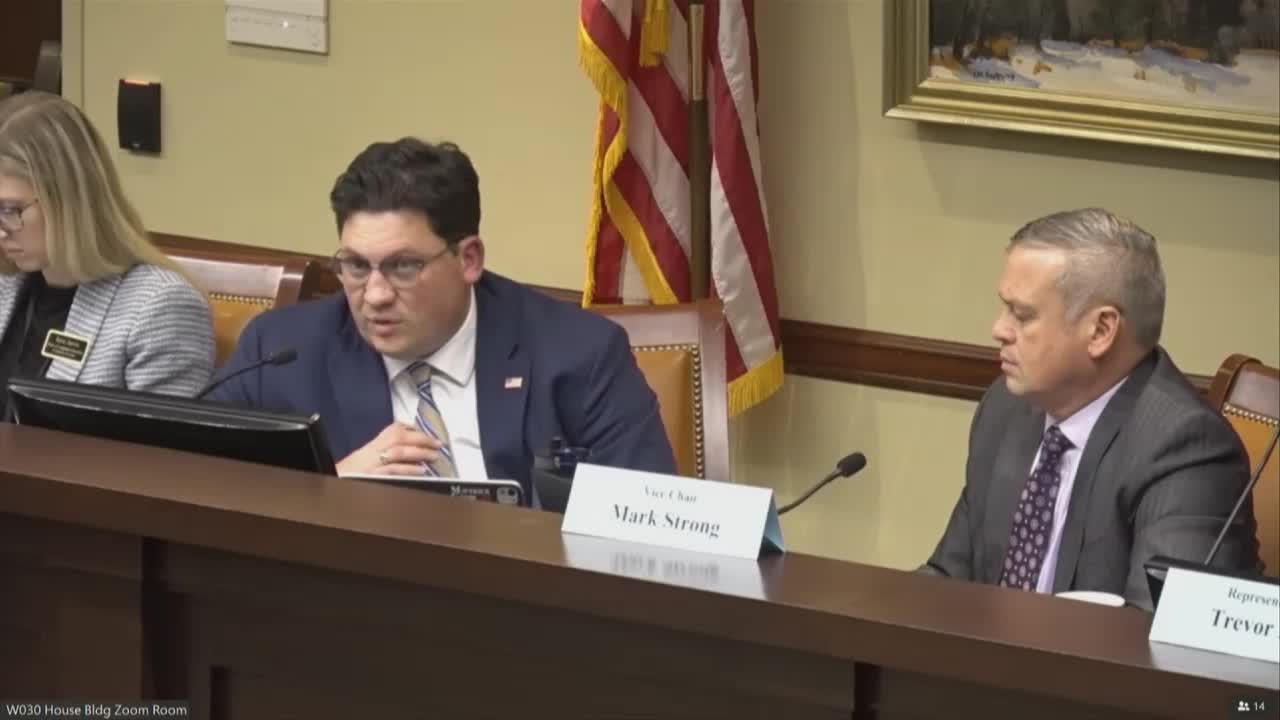
The House Law Enforcement and Criminal Justice Committee adopted the first substitute and passed House Bill 271 out favorably. Sponsor testimony said the change is a narrow, clarifying amendment to existing code to make it easier for law enforcement to apply the statute when private meetings are deliberately disrupted.
Sponsor and purpose Representative McPherson told the committee the substitute makes small coordinating changes and strikes two words in the current statute to clarify the required mental state (replacing “intending to disrupt” with “intentionally or knowingly” and removing “recklessly”), and to refine the conduct elements that permit law-enforcement intervention at private events.
Scope and concerns The sponsor said the bill applies primarily to private meetings and events; public-assembly code covers demonstrations in public places. The sponsor said the bill seeks to protect lawful access to private meetings where protest activities — such as amplified sound used to block entry — effectively prevent attendees from entering.
Committee action Representative Stoddard moved to adopt the substitute and then moved that the committee favorably recommend HB 271; both motions passed by voice vote. Committee discussion was brief and no public commenters appeared to oppose or support the measure in committee.