Get Full Government Meeting Transcripts, Videos, & Alerts Forever!
Get email alerts on the Adoption Policy topic
No spam. Unsubscribe anytime.
Utah committee advances bill to waive some home‑study requirements in long‑term guardianship adoptions
Summary
A House Judiciary subcommittee voted unanimously to favorably recommend HB 141, which would allow judges to waive pre‑placement adoptive evaluations when a child has lived with prospective adoptive parents for an extended time. Proponents said the change reduces cost and delay while retaining mandatory background checks.
The House Judiciary Committee unanimously advanced HB 141 on a favorable recommendation, moving the adoption modifications bill closer to final consideration.
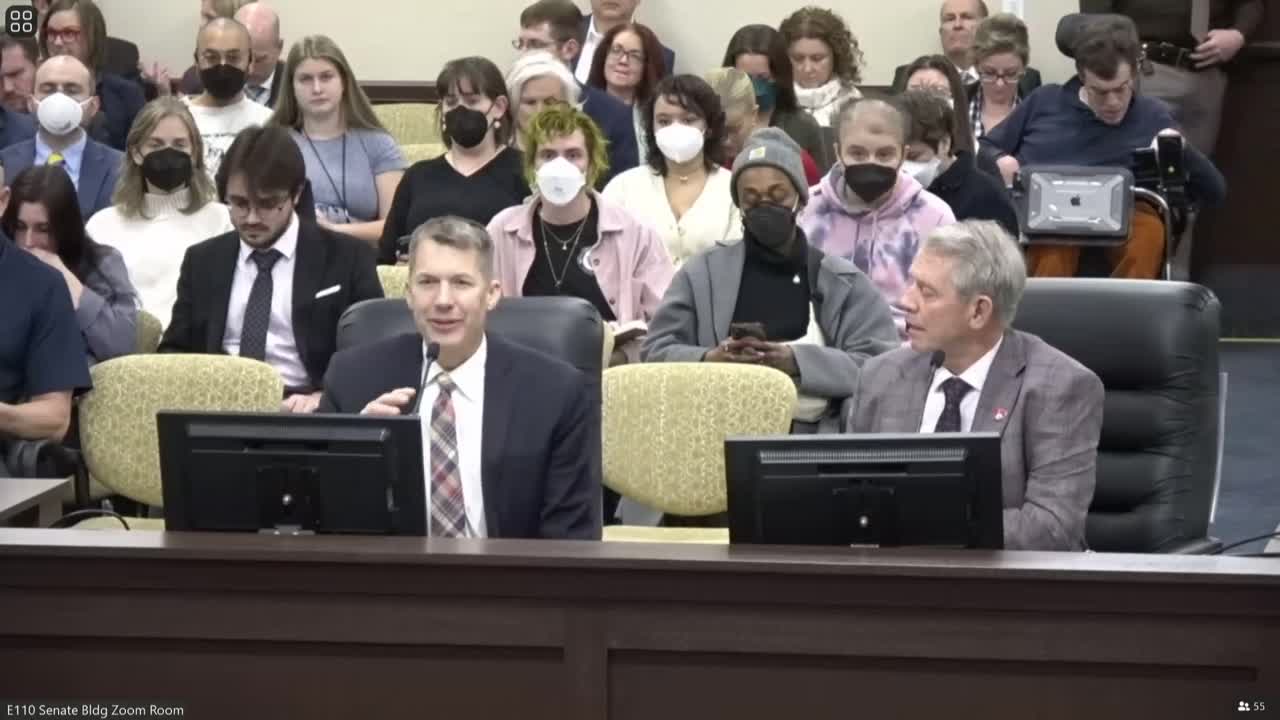
The measure, sponsored in committee by Representative Shipp, would allow judges to waive the statutory pre‑placement adoptive evaluation — commonly called a "home study" — in cases where a child has been living with the prospective adoptive parents for a significant time. Supporters said the change is aimed at cases where the child already has an established family relationship with the adoptive adults.
Timothy Daniels, an attorney with the Utah Adoption Law Center, told the committee the bill was drafted to address two recurring scenarios: long‑term guardians who later seek to adopt a teenager and a de facto parent who has raised a child for years after the birth parent has died or been absent. "In such a situation a home study is not required," Daniels said, describing the proposal as clarification for judges and practitioners.
Daniels and other proponents stressed the bill would not eliminate safety checks. "The pre‑placement adoptive evaluation includes a criminal background check, DCFS child abuse registry check," Daniels said, and those checks would still be required under the bill.
Committee members asked technical questions about residency thresholds. Representative Grishas noted the bill uses a 180‑day period in one subsection and a one‑year period in another and asked why the two intervals differ. Daniels and Representative Shipp said the sections address different family relationships (for example, step‑parent or de facto parent) and thus use different residency timelines.
Witnesses during the public‑comment period urged prompt action in particular family circumstances. Denise Kimber, president of the Youth Providers Association, said her organization supports the bill and described the value of speeding permanency for children. Jackie Warren, a grandparent who said she has cared for a grandson for more than six years, told the committee the change would end the child's legal limbo.
Representative Grishas moved the favorable recommendation and the committee voted in favor; later the committee agreed to place HB 141 on the consent calendar. Committee members recorded the votes as passing unanimously.
If enacted, sponsors said the bill should reduce the cost and delay of adoption in the situations described; proponents estimated typical home‑study costs at about $800 to $1,000. The measure does not change the statutory list of background checks required for adoptive placements.
The committee packet recorded the change as a technical clarification rather than a broad relaxation of protections for children; advocates and the bill sponsor emphasized mandatory criminal‑background and child‑abuse‑registry checks remain in place.