Get Full Government Meeting Transcripts, Videos, & Alerts Forever!
Get email alerts on the Immigration And Criminal Justice topic
No spam. Unsubscribe anytime.
Committee advances HB 226 after hours of debate and public comment on immigration-related criminal changes
Summary
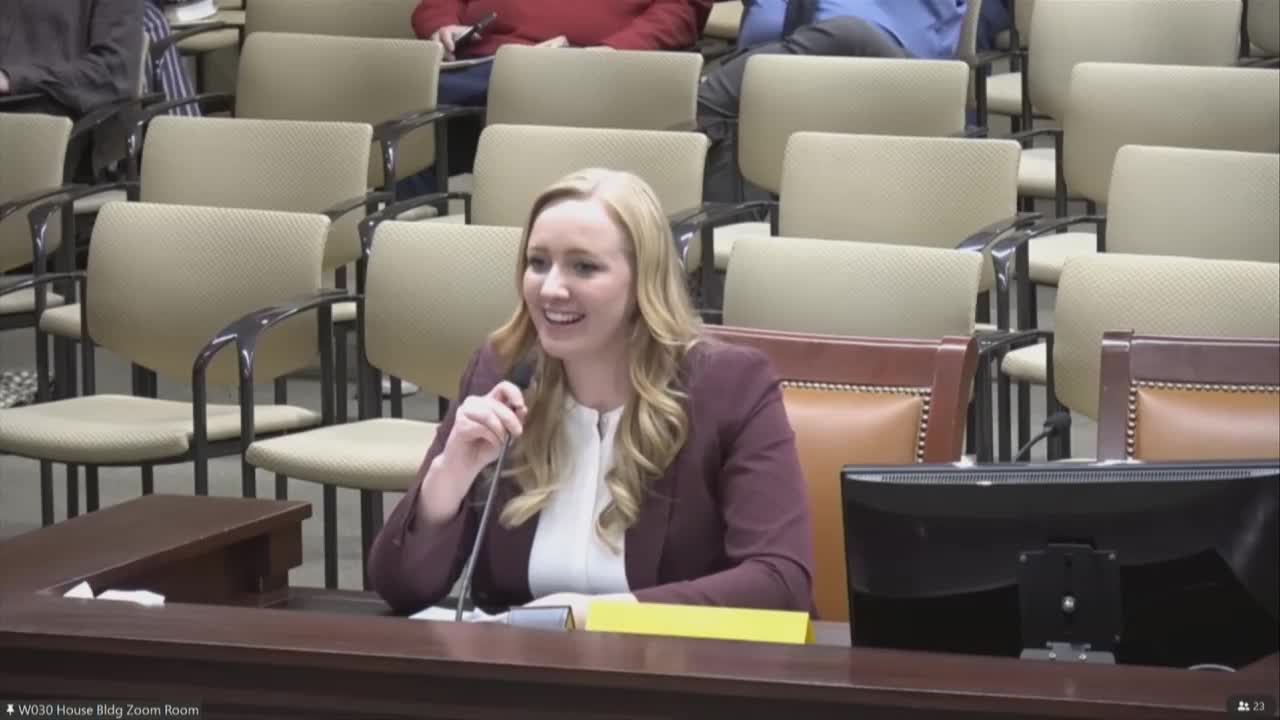
After hours of debate and a lengthy public-comment period, the House Law Enforcement and Criminal Justice Committee passed House Bill 226, a package of criminal-code changes tied to immigration status, and sent it to the House floor with a favorable recommendation.
The House Law Enforcement and Criminal Justice Committee voted to pass House Bill 226 out of committee with a favorable recommendation after extended debate and substantial public testimony. The measure covers multiple provisions tying criminal-justice procedures to immigration status, including limits on nonprofit transportation, data collection of immigration status in booking, sheriff/jail notification to federal immigration authorities, and a change to release practice that would, in some cases, turn custody of individuals convicted of class A misdemeanors to U.S. Immigration and Customs Enforcement (ICE) after a 365‑day jail term.
Sponsor presentation and committee discussion Representative Pucci (sponsor) described the bill as a package born of interim workgroups and examples from his district, citing increased migration and related public‑safety pressures in Herriman and Riverton. Key sponsor summaries included: - A prohibition allowing state action to dissolve or enjoin nonprofit corporations that knowingly transport people into Utah when those people lack legal status; the sponsor said the measure targets transportation, not organizations providing local services. - A requirement to collect and record immigration status during booking and additional identifying data. - A provision making a person charged with a class A misdemeanor who is verified to lack legal status a high flight risk when bail is set, and a statutory alignment changing the jail-day threshold from 364 to 365 days so that ICE can take custody for deportation in some cases, per sponsor testimony.
Public testimony A substantial public comment period produced divided testimony: - Support: Law-enforcement advocates and some county prosecutors, including Nate Mudder (LALC) and prosecutors from Davis and Salt Lake counties, urged support, saying the provisions assist law enforcement coordination with federal immigration authorities and target repeat and serious offenders coming from out of state. - Opposition: Community advocates, civil‑liberties groups and service providers — including the ACLU of Utah, Voices for Utah Children, MomsRising, Arlene Ortega (community member), and individuals who said they work with immigrants — urged defeat. They argued the bill would erase discretion, risk family separation, undermine due process by notifying ICE before conviction, burden local sheriffs with immigration determinations that require specialized processes (FOIA/USCIS verification), and create chilling effects that reduce crime reporting by immigrant communities.
Committee debate and vote Representative Lee moved the motion to pass the first substitute favorably; Representative Stoddard voiced opposition in committee, citing concerns about collateral consequences and asking that any enhancement target particular crime classes rather than all class A misdemeanors. The chair noted there was one recorded ‘no’ in the committee. The motion to pass out HB 226 first substitute carried and the bill will proceed to the House floor.
What the bill would change (as discussed in committee) - Civil actions against nonprofits: Sponsor said enforcement is limited to organizations that knowingly transport individuals into Utah when those individuals lack legal status; sponsor provided examples where people were transported and left with no resources. - Release-to-ICE: Sponsor argued that increasing the jail threshold to 365 days aligns with ICE practice to enable transfer to federal custody for deportation after serving a one‑year sentence; opponents warned the change could convert relatively minor offenses into de facto deportation triggers. - Notification and data collection: Critics said collecting and using immigration-status information at the jail level is technically complex and may require FOIA requests; supporters said coordination already occurs in many jurisdictions and helps public safety.
Committee action The committee adopted the first substitute and then passed HB 226 out favorably to the House floor. Representative Stoddard recorded opposition during the floor motion. Committee members said they intend to continue discussion as the bill moves forward.
Votes and motions recorded in committee were by voice; a roll-call tally was not recorded in the transcript. The transcript records at least one committee member (Representative Stoddard) objecting to the motion.