Get Full Government Meeting Transcripts, Videos, & Alerts Forever!
Get email alerts on the Records Access topic
No spam. Unsubscribe anytime.
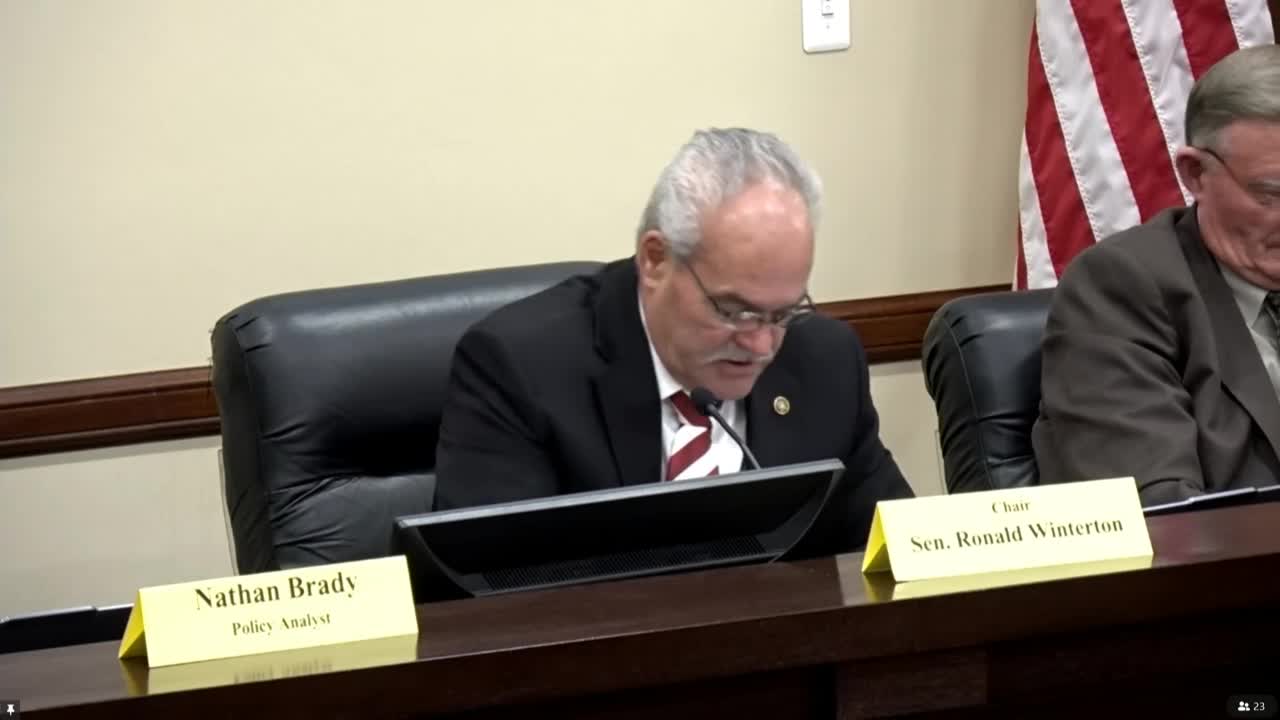
Committee advances record‑access bill creating code of conduct for officials handling voter data amid public concern
Summary
Second substitute House Bill 69 would create a code of conduct restricting use of government records for personal or political purposes and clarifies what voter registration records include. The bill drew mixed public comment and discussion about GRAMA exemptions and criminal penalties before the committee voted to advance it.
Representative Gracious presented the second substitute of House Bill 69, which sponsors described as a code of conduct for public officials and agents who access government records, including voter registration records. The bill defines the scope of records covered and prohibits accessing records "outside of normal duties" for personal or political purposes.
Nut graf: Supporters said the bill protects privacy and prevents weaponization of publicly available data by officials; opponents warned the language is overly broad, could impede transparency, and may criminalize routine conversations or volunteer activity. The committee discussed GRAMA exemptions, criminal penalties, and audit rights.
Representative Gracious said the bill does not change what is currently public nor the ability to conduct audits, and that it was drafted with input from multiple county clerks. Several county clerks and the Utah Association of Counties testified in support, including Weber County Clerk‑Auditor Ricky Hatch, who told the committee clerks and UAC endorse the substitute.
Public commenters divided. Chase Thomas of the Alliance for a Better Utah said the bill protects privacy and safeguards government resources. Several commenters, including Marilyn Momeni and Jennifer Garner, opposed the substitute and said it would reduce transparency. Vince Neumeier and others said the language could criminalize volunteers and suppress disclosure of public records; he identified specific lines he called overly broad. Aaron Davidson, the Utah County Clerk, said he had used publicly available envelope data to compare how public officials returned ballots and defended that practice as a matter of election‑integrity advocacy; he told the committee he had looked up multiple elected officials' ballot return methods and discussed findings with some officeholders.
Senator Thatcher expressed concern about use of government resources to query records for a personal or political purpose and said the committee has an obligation to prevent inappropriate access. Sponsor Gracious and staff emphasized the bill preserves audits and public access to data but holds trusted custodians of data to a higher standard.
The committee voted unanimously to advance the second substitute for HB 69 with a favorable recommendation.
Ending: HB 69 moves to the full Senate after committee members said staff and sponsors will continue to refine language related to GRAMA exemptions, redactions for sensitive information, and the bill's criminal penalty provisions.