Get Full Government Meeting Transcripts, Videos, & Alerts Forever!
Get email alerts on the Taxation Restaurant Prepared Food topic
No spam. Unsubscribe anytime.
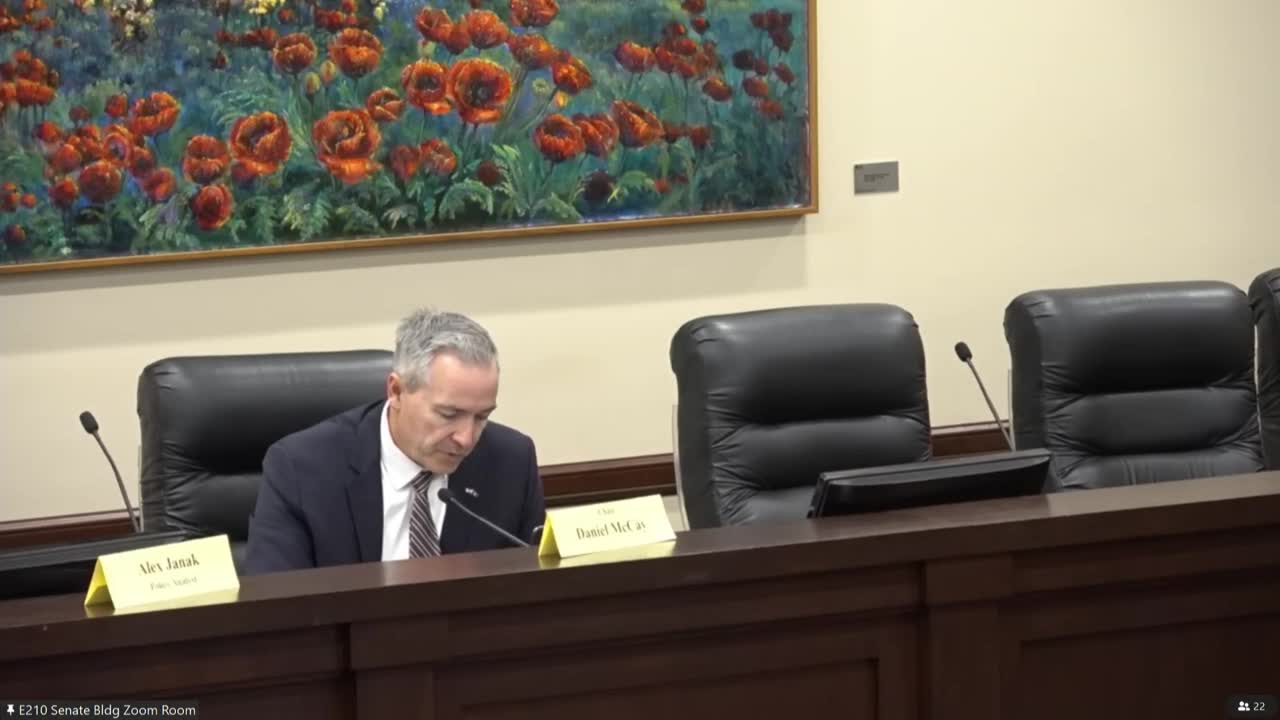
Senate committee advances bill to tax ‘restaurant-like’ food uniformly
Summary
A Senate committee voted unanimously to substitute and favorably recommend Senate Bill 91, which narrows how Utah defines "restaurant food" and would require food sold by grocery-store food service counters and similar operations to be taxed like standalone restaurants.
Senator Lincoln Fillmore, sponsor of Senate Bill 91, told the Senate Revenue and Taxation Committee on Feb. 3 that the bill aims to “treat like products similarly in the marketplace” by clarifying what counts as restaurant food and closing loopholes that let some businesses avoid the restaurant tax.
The bill matters because Utah currently taxes food at three different rates: a low grocery "food" tax for typical grocery purchases; a "prepared food" rate equal to the general sales tax for ready-to-eat prepared items; and an extra 1 percent restaurant tax charged at most restaurants. Fillmore said that identical items can be taxed differently depending on whether they are sold inside a grocery store or at a separate counter or restaurant, and that the bill would create a uniform standard based on whether an item is “customized or prepared based on the customer's request and order.”
Supporters urged the committee to move the bill forward as an equity and competitiveness measure. Billy Hesterman of the Utah Taxpayers Association said the measure “equaliz[es] the playing field between competitors” and asked the committee to send the bill on to the full Senate. Melba (representing the Utah Restaurant Association) said the restaurant industry has long sought a level tax treatment and told the committee she would support repealing the restaurant tax entirely, but called this bill “the right and correct time to create this fair tax between the food market.”
Opponents and some industry groups warned the change would add complexity for grocery stores and convenience stores that mix prepared and nonprepared items. Dave Davis of the Utah Food Industry Association said the bill risks imposing “a huge amount of complexity” on retailers that must distinguish, for example, between items pulled from a heat lamp and items prepared to order.
After public comment and sponsor discussion, committee members voted to delete the bill as filed and replace it with the sponsor’s first substitute (motion passed unanimously). The committee then voted to favorably recommend the first substitute of SB 91; the motion passed unanimously and the bill was reported to the full Senate for further consideration.
The committee did not grant additional rule-making authority in the bill; Fillmore told members he did not believe rule-making authority was needed because the Utah State Tax Commission already administers related provisions.
Votes at a glance for SB 91: the committee voted to replace the filed bill with the first substitute (unanimous) and then voted to favorably recommend the first substitute (unanimous), sending the bill to the Senate floor.