Get Full Government Meeting Transcripts, Videos, & Alerts Forever!
Get email alerts on the Land Use Permitting topic
No spam. Unsubscribe anytime.
Hearing examiner leaves record open in St. Mary’s dispute over roadside-stand permit
Summary
A St. Mary’s County hearing examiner left the record open for 10 days in an appeal by Joseph and Christy Henderson challenging Land Use and Growth Management’s handling of permits for Timothy Dean’s seafood sales. The dispute centers on whether county permits allow on-site sales and whether a private easement can be used for a roadside stand.
St. Mary’s County Hearing Examiner Jack Upton left the record open for 10 days on an appeal by Joseph and Christy Henderson challenging permits tied to Timothy Dean’s seafood business, saying he would then take up to 60 days to issue an order.
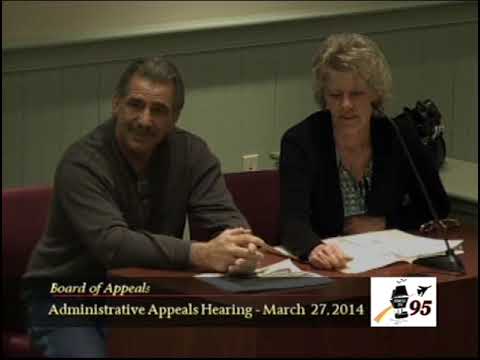
The Hendersons asked Upton to void or remand a roadside-stand permit and related permitting actions by the county’s Land Use and Growth Management office (LUGM), saying LUGM improperly enabled on-site commercial sales along a private easement that serves their property and Buzz’s Marina. “We are here … because we disagree with the decision that Land Use and Growth Management made regarding a permit,” appellant Christy Henderson said under oath.
Why it matters: The case raises whether the St. Mary’s Comprehensive Zoning Ordinance’s technical requirements for roadside stands (including a 10-foot front-yard setback measured from a public way) can be satisfied where a business would operate from property accessed only by a private easement. The Hendersons say the county’s permitting decision alters private property rights and shifts enforcement burdens to them; Dean says he never applied for a roadside stand permit and that his activity is authorised by his Maryland waterman license and a home-occupation permit.
At the Feb. hearing, Upton identified the record items he had and asked the parties to note objections. The Hendersons offered a preliminary statement and multiple exhibits, including a memorandum from the county attorney and documents from the health department. “The county makes no provision … for notifying the owners of an easement when it grants permits for new activity on the easement,” the Hendersons’ written statement says, describing the right-of-way as a narrow private lane used for ingress and egress to several family residences and a marina.
The Hendersons argued LUGM initially issued a home-occupation permit that (contrary to the zoning code) allowed on-site food sales, then amended that permit to prohibit on-site sales while — the appellants say without application, payment or signature — issuing a roadside-stand permit that allows sales. “By granting him that permit, they shifted the burden on us,” Christy Henderson said, referring to civil enforcement she said the county attorney suggested in correspondence.
Timothy (Tim) Dean, who operates Saturday’s Choice Seafood, testified he applied for a home-occupation permit as the base for a mobile crab cart, and he repeatedly said he did not seek a roadside-stand permit. “I never applied for a roadside stand permit,” Dean said under oath. Dean also produced documents he said show an existing seafood business served the site historically and that LUGM advised him to apply for a home-occupation permit.
On the zoning questions, the Hendersons’ statement cites multiple CZO provisions including section 51.3.116 and definitions in Article 9 governing front lot lines, public ways and setback measurements; it contends those provisions mean a roadside stand setback cannot be measured from a private easement and therefore the regulation does not contemplate permitting stands on private easements. The appellants requested the permit be voided or remanded to LUGM with instructions to consider compatibility with the easement and legislative intent.
Procedural outcome: Upton said he would admit certain exhibits into the record, hold the record open 10 days for additional filings (including a deed to the easement the Hendersons offered), and then take up to 60 days to issue an order for distribution by the county attorney’s office. “Within the 10 days, Mr. Dean, I would suggest you go pick up your mail, take a look at what has been provided as a part of the record,” Upton said.
The hearing did not produce a final ruling. Upton told the parties he would consider objections to particular documents after they were reviewed and that his forthcoming order would be provided to the county attorney’s office for distribution.
Ending: The examiner adjourned the hearing after confirming no one else present wished to be heard and after giving the parties the 10-day window to supplement the record. The case will return to an administrative determination once Upton completes his review and issues the written order.