Get Full Government Meeting Transcripts, Videos, & Alerts Forever!
Get email alerts on the Prescription Drugs topic
No spam. Unsubscribe anytime.
House passes drug-affordability measure after heated floor debate over effectiveness
Summary
The House of Delegates passed legislation directing a drug cost review board to set upper payment limits for certain state-regulated health plans after a contentious debate over whether the approach will lower prices or shift costs to patients and insurers.
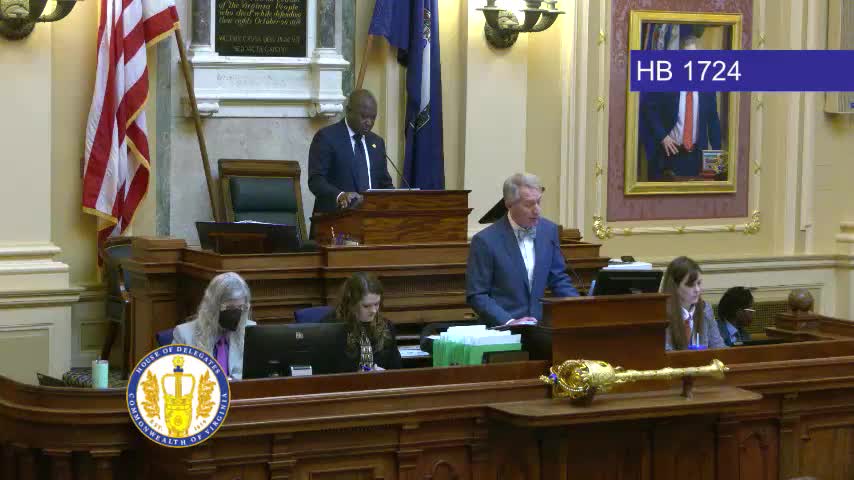
The Virginia House of Delegates passed a bill establishing a prescription drug affordability process and directing a review by the Prescription Drug Affordability Board, after members spent more than an hour debating whether the measure would actually lower costs or simply shift expenses to consumers.
The bill, described on the floor as creating “upper payment limits” for state-regulated health plans, passed by a vote of 52 in favor and 44 opposed. Supporters said the measure is a necessary state-level step to address rising drug prices; opponents argued the design leaves major purchaser groups — including most Medicare beneficiaries — outside its reach and could lead to higher premiums or reduced pharmacy reimbursement.
Why it matters: Lawmakers who spoke to the bill framed it as part of the state’s effort to tackle high prescription costs that force some Virginians to choose between medications and basic needs. Critics warned the bill’s mechanism would not constrain manufacturers’ list prices and could have unintended consequences for insurers, pharmacies and patients.
Supporters on the floor described personal stories and national context. “In 2023 alone, pharmaceutical companies raised the list prices of a dozen drugs at rates higher than inflation,” said Delegate Cole, speaking to colleagues. “Families across the commonwealth are forced to make impossible choices between paying for prescriptions and covering basic necessities.”
Opposition focused on technical limits in the bill’s approach. “This legislation simply will not work,” said Delegate Hodges (Middlesex). He described the bill as capping the reimbursement or “back-end” payment rates without controlling manufacturers’ prices and warned the difference could be made up through higher insurance premiums or payments to pharmacies. “So who’s paying for that? Someone on the back end,” Hodges said.
Several members described personal experiences with dramatic out-of-pocket price jumps after changes in coverage. “When I went from an HMO to Medicare, my prescription for a three-month supply went from $70 to $700,” said Delegate Martinez (Loudoun). “We need to do something.”
Pharmacy and industry experience also featured in the debate. Delegate Waxman (Sussex), who said he has worked inside the pharmaceutical industry and owned a pharmacy, argued that rebates and the payment system — not manufacturers alone — drive higher list prices. He cautioned that reimbursement caps risk harming pharmacies and aggravating “pharmacy deserts.”
Several members urged the chamber to adopt broader reforms aimed at middlemen and advertising practices; others said the bill was a limited but useful tool that could be part of a multi-pronged strategy.
After debate, the Yeas were 52 and Nays 44, and the chair announced the bill passes. The legislation as passed directs the named board to pursue its affordability review and set payment benchmarks for state-regulated plans as specified in the bill text.
The bill does not change federal law or Medicare rules, and supporters and critics agreed that the measure would not directly alter Medicare drug pricing.