Get Full Government Meeting Transcripts, Videos, & Alerts Forever!
Get email alerts on the Animal Welfare topic
No spam. Unsubscribe anytime.
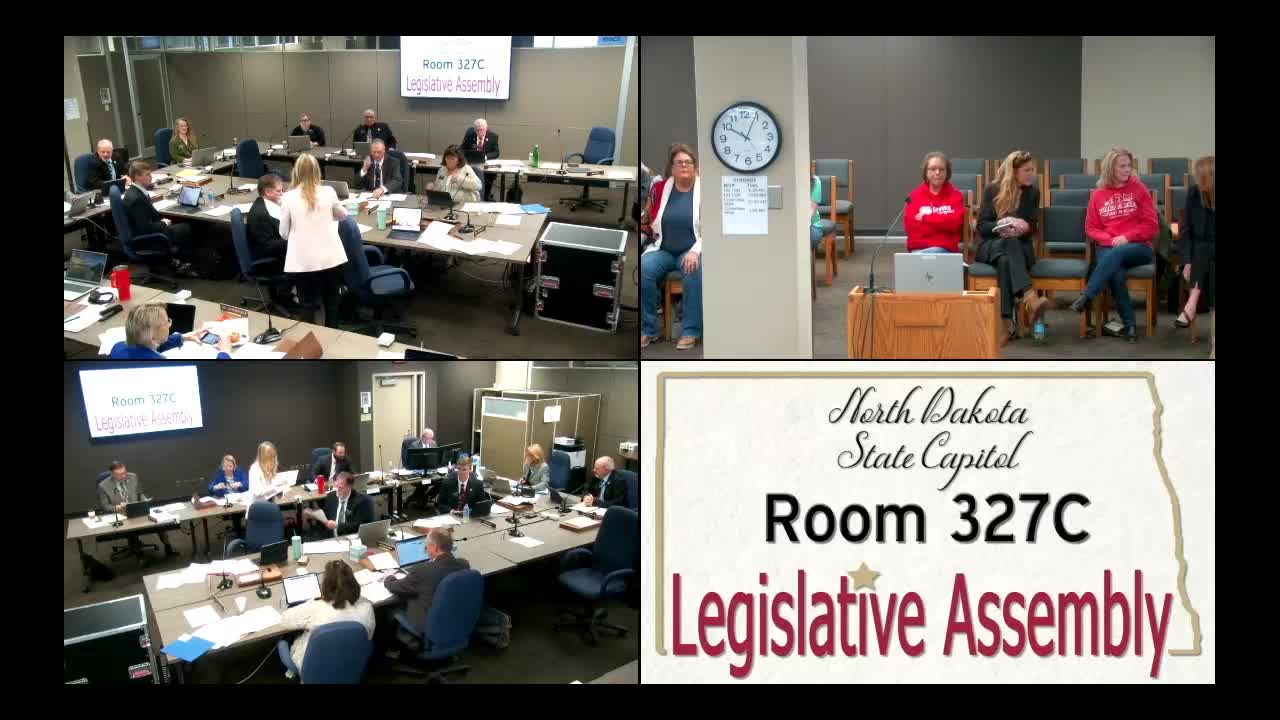
House Ag committee hears bill to fund spay-and-neuter grants from existing environment and rangeland fund
Summary
Representative Anna Novak introduced HB1538 to create a one-time spay-and-neuter awareness grant program overseen by the Department of Agriculture; supporters—shelter directors and rescue volunteers—testified that the state’s shelters are overcapacity and that targeted vouchers or grants could reduce stray populations.
Representative Anna Novak presented House Bill 1538 to the House Agriculture Committee, proposing a one-time spay-and-neuter awareness grant program administered by the Department of Agriculture. The bill would make a $1 million appropriation from an existing Environment and Rangeland Protection Fund to provide 1:1 matching grants for shelters, foster programs and potentially individuals to pay for sterilization of companion animals.
Novak said she brought the bill at the request of citizens and after discussion with the Agriculture Commissioner; the sponsor emphasized that the program uses an existing fund rather than creating a new appropriation. "We have a real crisis on our hands right now with overpopulation of animals in North Dakota," Novak told the committee.
Multiple rescues, shelter leaders and volunteers testified in support. Heidi Riddle and Lacey Inger described chronically full shelters, overwhelmed volunteer networks and high intake of kittens and puppies; Riddle cited a national estimate that nearly 10,000 animals were in North Dakota shelters and described frequent calls for help and rising volunteer costs. Lacey Inger testified about large feral and farm-cat colonies, described high kitten mortality from respiratory illness and urged spay/neuter programs to prevent further suffering.
Shelters and rescue representatives offered operational details and cost estimates. Keith Bedding, founder of Turtle Mountain Animal Rescue, said rural spay/neuter prices in North Dakota typically run higher than national suburban averages, and he estimated the bill could cover approximately 625 sterilizations (the group’s cost estimates vary by species and procedure). Camille Skager of Central Dakota Humane Society described an existing SNAP coupon program that issues modest coupons (for example, $150) to pet owners and suggested the proposed funding could be distributed through a similar coupon or voucher mechanism to low-income residents and shelters.
Committee members asked practical questions about eligibility (shelters, foster homes, individuals), whether tribal and reservation communities were included, and the proposed source of funds. Novak said the Department of Agriculture would oversee the program and that the proposal was intentionally structured as a one-time appropriation; she said the commissioner suggested using the Environment and Rangeland Protection Fund to avoid creating a new recurring line item. Representative Hauck noted the fund currently contains a multi-million-dollar balance and asked whether shifting $1 million would create gaps in other programs; Novak and supporters said the sponsor and the commissioner believed the fund balance could support the appropriation as structured.
No committee vote was taken on HB 1538 during the hearing. Sponsors and witnesses said they were open to clarifying eligibility language to prioritize low-income owners, shelters and veterans and to design vouchers so the funds reach animals before they enter shelter systems.