Get Full Government Meeting Transcripts, Videos, & Alerts Forever!
Barry County conservation officials report high viral infection among spongy moths and recommend targeted monitoring over broad aerial spraying
Summary
Barry Conservation District researchers and University of Chicago scientists reported high viral infection rates among spongy moth caterpillars and recommended continued monitoring and targeted treatment of hotspots rather than immediate countywide aerial spraying.
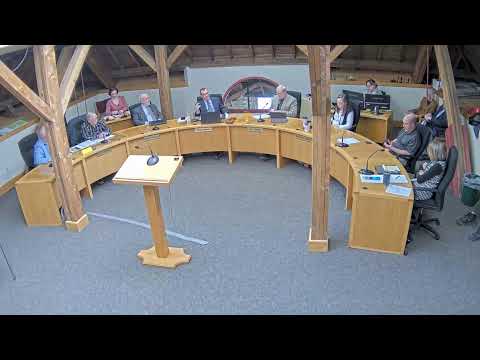
Barry County — Barry Conservation District Executive Director Daniel Zollner, district forester Ben Savoy and researcher Dr. Greg Dwyer of the University of Chicago presented the results of a late‑fall spongy moth (Lymantria dispar) egg‑mass survey and related lab testing to the Barry County Board of Commissioners on Jan. 28, 2025.
The Conservation District surveyed plots in five townships and counted egg masses and their viability; lab tests by Dr. Dwyer’s team measured how many caterpillars carry a baculovirus that kills the insects. The presenters said the combination of many nonviable egg masses and very high viral infection in sampled caterpillars indicates the local outbreak is near its peak and likely to decline without broad aerial treatment.
Why this matters: spongy moth caterpillars preferentially feed on oaks and can cause widespread defoliation of forested land. Aerial…
Already have an account? Log in
Subscribe to keep reading
Unlock the rest of this article — and every article on Citizen Portal.
- Unlimited articles
- AI-powered breakdowns of topics, speakers, decisions, and budgets
- Instant alerts when your location has a new meeting
- Follow topics and more locations
- 1,000 AI Insights / month, plus AI Chat