Get Full Government Meeting Transcripts, Videos, & Alerts Forever!
Get email alerts on the Opioid Settlement Funding topic
No spam. Unsubscribe anytime.
Barry County panel approves publishing opioid-settlement RFP to fund recovery, prevention
Summary
The county committee recommended publishing a request for proposals (RFP) for Barry County's first opioid-settlement disbursements, making up to $250,000 available in an initial round to support recovery housing, harm-reduction, quick-response teams and other services.
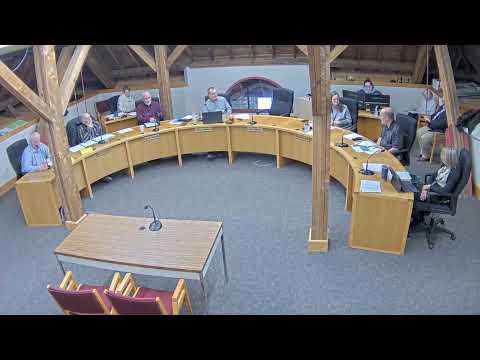
Barry County commissioners' committee on Tuesday recommended publishing a request for proposals for the county's first opioid-settlement funds, making up to $250,000 available for the initial funding round.
The committee voted to send the RFP, prepared by the opioid settlement funds steering committee's RFP work group, to the Board of Commissioners for final approval after commissioners requested a minor deadline correction in the submittal language. Motion to publish the RFP was moved by Commissioner Catherine Getty and supported by Commissioner Hatfield; the committee approved the recommendation by voice vote.
The RFP targets four primary program areas: recovery housing, recovery support services, harm-reduction initiatives and quick-response teams, with other service areas — including prevention and treatment services — noted as eligible for consideration. Rich Franklin, superintendent of the Barry Intermediate School District and member of the steering committee, described the intent as directing settlement dollars to programs that “undo some of that harm and prevent further harm,” and said the committee tried to avoid broad uses that would dilute the funds’ impact.
Bill Mattson, executive director of the Family Support Center and a member of the county's child-welfare system, urged the committee to approve the RFP and spend the settlement money “on the community,” citing local opioid-related deaths and high prescription rates. Mattson said Barry County recorded 19 drug-related deaths in 2023, 13 involving opioids, and that local prescribing rates are about 18.6 opioid prescriptions per 100 people.
Committee members asked how applications would be publicized and how scoring and conflicts of interest would be handled. Liz Lance, a county staff member who helped lead the RFP development, said the county will post the RFP on the substance-abuse task force webpage, use traditional and social media, and mobilize community partners. She said the RFP development group and the RFP-scoring group are separate to reduce conflicts; Bill Mattson will chair the scoring group.
The steering committee recommended making up to $250,000 available for the first round but said the county could award less. Officials noted the settlement payments to counties are not fully predictable over time; that unpredictability shaped the work group's recommendation to consider opening funding every other year.
The motion at the committee level was to recommend the board publish and promote the Barry County opioid settlement funds RFP with attachments prepared by the steering committee, with the date/deadline correction the committee requested. The Board of Commissioners will consider final approval and the timeline once it receives the recommendation.
The RFP and supporting documents to be published include a timeline, a local substance-use data snapshot and the Michigan State University opioid community needs assessment referenced by the steering committee.
The committee did not award funds at the meeting; it approved only the request to publish the RFP and proceed with outreach and scoring as described.