Get Full Government Meeting Transcripts, Videos, & Alerts Forever!
Get email alerts on the Court Capacity topic
No spam. Unsubscribe anytime.
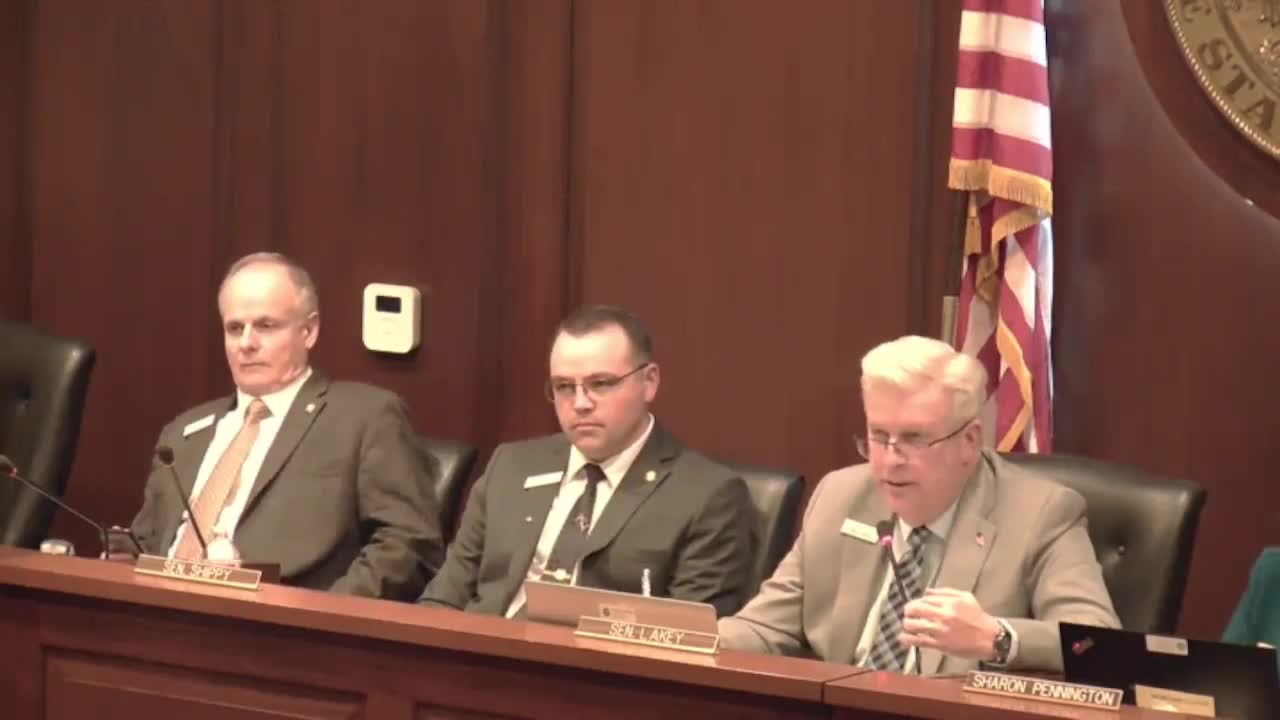
Idaho judges tell Senate committee recruitment is down, ask Legislature to consider more judges for growing districts
Summary
Three administrative district judges told the Senate Judiciary & Rules Committee that Idaho is seeing fewer applicants for judgeships, an uptick in early departures from the bench and localized caseload pressures that justify new judicial positions in the First and Seventh Judicial Districts.
Boise — Three administrative district judges told the Senate Judiciary & Rules Committee that Idaho courts are seeing fewer applicants for vacancies, judges are leaving the bench earlier than in the past, and population-driven caseload growth is creating pressure that the judges said warrants new judicial posts.
The judges appeared at the committee’s request and each described a mix of recruitment, retention and capacity problems. "We want the best and the brightest in all seats on the bench throughout the state," said District Judge Rick Carnaroli of the Sixth District, who emphasized the need for breadth of legal experience for new judges and for mentoring programs to bring newer judges up to speed. "We want ethical, respectful people who are willing, ready, and able to apply the laws that you, you as a legislature, put in front of us to enforce," Carnaroli said.
Carnaroli told senators the number of applicants for judicial openings has fallen. He said the Judicial Council averaged about 11 applicants per district judgeship five years ago but saw an average of 4.6 applicants for the most recent year. He said three of the last four district openings drew only three applicants, the minimum the Judicial Council is charged with passing to the governor for appointment. Carnaroli also described recent turnover: seven retirements in the last fiscal year, with four judges leaving the bench to take other work rather than entering the senior-judge program that previously provided experienced coverage for vacancies and leaves.
Judge Barry McHugh, the administrative district judge for the First Judicial District, asked the Legislature to approve a new district-judge position in Kootenai County. McHugh said the First District has the highest caseload per judge in the state and the highest felony rate per capita. He cited statewide case data he said are on the Idaho Supreme Court website: "Felony cases in 2020 were at 2,127," he said, and the district saw a 7.7% rise in that measure through 2023, the most recent year available. He also described long commutes by judges chambered in neighboring counties who must cover cases in Kootenai County, and said a new Kootenai courthouse coming online later in the year will add felony-ready courtrooms but will not eliminate the district's need for an additional judge.
Stephen Boyce, administrative judge for the Seventh Judicial District, described the district’s geographic size (10 counties, more than 20,000 square miles) and the resource strain created by a spate of lengthy, high‑profile criminal and civil trials. Boyce said senior-judge coverage was critical while he spent months conducting two extended trials in Ada County, and he noted the wide logistical burden of summoning and managing jurors: "We summoned out on each trial 6,000 potential jurors," he said, and roughly 1,800 jurors came through the courtrooms during voir dire on those trials. He urged continued legislative consideration of requests for an additional magistrate and district judge in the Seventh District.
Committee members asked about specific drivers of caseloads (McHugh cited property and easement disputes tied to growth, and interstate drug trafficking on I‑90), the role of written opinions, and use of remote technology; judges said Zoom and remote hearings have reduced some travel but that felony trials and other matters still require in‑person proceedings.
Why it matters: The judges’ testimony links local population growth and drug enforcement patterns to rising felony caseloads and longer trials, while the judiciary faces recruitment shortfalls and early departures that reduce experienced coverage. Those twin trends — increasing workload and reduced bench experience — are the primary reasons the judges asked the Legislature to consider new judicial positions and to support senior‑judge resources and mentoring programs.
The committee did not take action on the judges’ requests during the hearing; the judges asked legislators to consider the Supreme Court’s requests when budgeting and reviewing judicial‑staffing proposals.