Get Full Government Meeting Transcripts, Videos, & Alerts Forever!
Get email alerts on the Dental Licensure topic
No spam. Unsubscribe anytime.
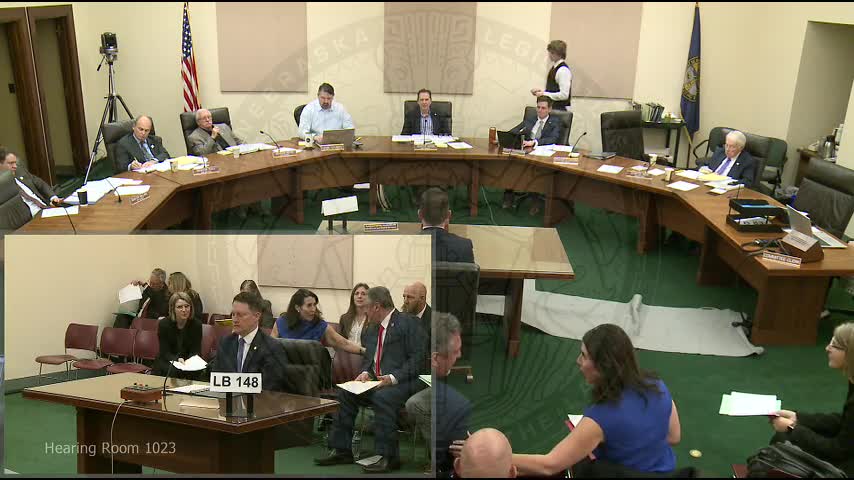
Committee hears LB148 to modernize dental licensing: reduce reciprocity period and broaden approved clinical exams
Summary
Supporters told the committee LB148 will reduce barriers for new dental graduates and experienced dentists by shortening reciprocity from three years to one and by allowing standardized national clinical exams that meet specified subject‑area criteria; proponents included both Nebraska dental schools, the Nebraska Dental Association, community
Senator Ben Hansen, sponsor of LB148, said the bill "updates the requirements for licensure and reciprocity under the Dentist Practice Act" following the interim study LR373. The bill would remove explicit references to specific testing agencies from statute and require that any board‑approved clinical competency exam cover core clinical areas (periodontics, restorative dentistry, prosthodontics and endodontics) and permit remediation for deficiencies. The bill would also reduce the reciprocity practice requirement for licensure from three years to one year.
Dental‑education and clinical stakeholders testified in favor. Jill Wallen, dean of Creighton University School of Dentistry, told the committee the changes are necessary to retain graduates and recruit faculty, noting a net migration loss of dentists in recent years and citing an ADA Health Policy Institute estimate of a shortage in Nebraska. UNMC and Creighton representatives said statutory language had not been updated from the 1980s and that clarifying exam content criteria and reciprocity would make Nebraska more competitive for graduates and military‑connected dentists.
The Department of Health and Human Services' chief medical officer, Dr. Timothy Tesmer, said the Board of Dentistry had previously restricted acceptable clinical exams (credits) but that the board has since approved both credits and the ADEX examination with a mandatory periodontal component for upcoming testing cycles. He testified LB148 reflects stakeholder work and the Board's adjusted practice and asked the committee to advance the bill.
Dental students and health‑center leaders described the practical effects: students pay thousands for multiple clinical exam attempts and the current requirements can push graduates to practice out of state; health centers reported mobile units and expansion plans delayed by lack of providers. Witnesses recommended the bill as part of a package of workforce reforms. Committee members asked about alignment with compact proposals, exam comparability and the possibility of adding parallel hygiene statute changes; a dental hygienist association witness proposed a companion amendment to align hygiene statute language.
No committee vote was recorded during the hearing; proponents urged prompt legislative action to address workforce shortages and reduce licensure barriers.