Get Full Government Meeting Transcripts, Videos, & Alerts Forever!
Get email alerts on the Marriage Equality topic
No spam. Unsubscribe anytime.
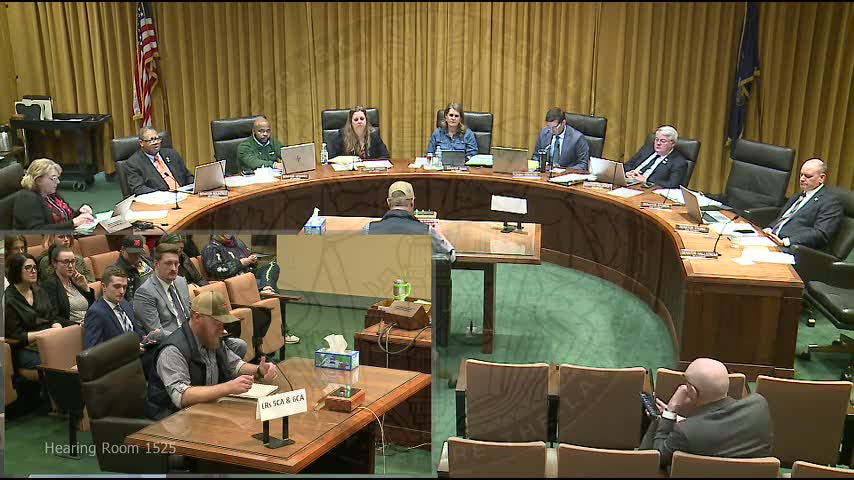
Committee hears lengthy testimony for constitutional amendments to enshrine marriage equality
Summary
Sen. Michaela Cavanagh introduced two resolutions — LR5CA to remove Nebraska's same‑sex marriage ban and LR6CA to add explicit language protecting marriages regardless of race and gender. Supporters — students, veterans, faith leaders, businesses and LGBTQ organizations — urged the committee to let voters decide; opposition came from conservative
Senator Michaela Cavanagh introduced two companion constitutional resolutions — LR5CA to repeal Nebraska’s existing constitutional language that bars same‑sex marriage and LR6CA to add language recognizing marriage regardless of race and gender — and asked the Judiciary Committee to advance both to the ballot for voter consideration.
Why it matters: Witnesses said the measures are a preventive safeguard should the U.S. Supreme Court overturn federal marriage precedents. Supporters argued that voters should be allowed to remove discriminatory language and that codifying protections would help retain young talent, protect families and align state law with the state motto, “Equality before the law.” Opponents urged respect for traditional marriage definitions and raised religious and civic concerns.
Range of testimony: Over a hundred people provided in‑person testimony and written comments. Students and university groups stressed economic and talent retention implications; veterans and faith leaders gave personal statements about family and conscience; health‑care and civil‑liberties organizations supported the measures. Planned Parenthood and the ACLU urged the committee to advance the amendments; some faith and conservative groups opposed them and urged voters to reject constitutionally enshrining the proposed language.
Legal context: Witnesses cited two key U.S. Supreme Court precedents, Loving v. Virginia (1967) and Obergefell v. Hodges (2015), and noted federal activity — including the 2022 Respect for Marriage Act — that shapes the legal background. Supporters said federal protections may not be permanent and argued state constitutional language should reflect equal‑protection principles.
Committee questions and practical notes: Senators asked about single‑subject drafting and why two resolutions were introduced; the sponsor said the separate drafts addressed drafting and single‑subject concerns. Committee staff and the sponsor noted the high volume of written comments submitted online and indicated the committee would consider the companion resolutions together.
Where things stand: The committee heard dozens of speakers and noted large numbers of written submissions in favor; no committee vote was taken at the hearing. The sponsor urged the committee to advance both resolutions so Nebraskans can vote on constitutional protections for marriage equality and interracial marriage.