Lifetime Citizen Portal Access — AI Briefings, Alerts & Unlimited Follows
Advocates press ban on source-of-income discrimination as landlords warn of costs
Loading...
Summary
Supporters told the Judiciary Committee LB223 would bar landlords from refusing rental applicants because part of their rent comes from lawful public assistance such as Section 8 vouchers; landlords and industry groups said the bill would compel participation in complex federal programs and could impose costs and inspections burdens.
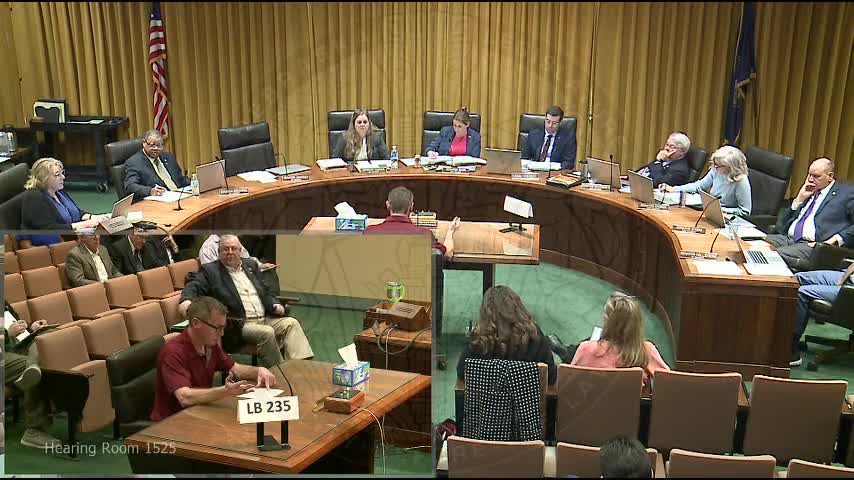
Lincoln — Sen. Dunexi Greco (introduced as Senator Greco/Gareca in the hearing record) told the Judiciary Committee LB223 would prohibit housing discrimination based on source of income, including Section 8 housing choice vouchers and other lawful assistance.
"Source of income discrimination is primarily seen with Housing Choice Vouchers, commonly referred to as Section 8," the introducer said, explaining the local voucher shortage and the difficulty voucher holders face finding landlords who will accept the subsidy.
Nut Graf: Supporters — housing advocates, Legal Aid Nebraska, domestic-violence and housing-stability groups, ACLU and civil-rights organizations — said source-of-income bans increase voucher use, reduce segregation, and expand housing access for low-income and protected groups. Opponents — property owners' associations, apartment managers, and some landlords' argued the bill would force private landlords to enter complex federal contracts, impose inspections and administrative burdens, and could be challenged as an unconstitutional compulsion to waive Fourth Amendment protections.
Proponents presented national research and local voucher statistics: a briefing from Sen. Greco noted that jurisdictions with non-discrimination protections see higher voucher success rates and greater access to lower-poverty neighborhoods. Sarah O'Neil of Legal Aid and Erin Feichtinger of the Women's Fund cited data on housing-cost burden and the limited availability of vouchers. "Source of income discrimination does not just apply to those with housing choice vouchers," Feichtinger said, noting the issue also affects people on Social Security or other lawful income streams.
Opponents, representing large property-owner groups and management companies, raised practical objections. Tara Holterhaus, representing the Apartment Association of Nebraska and commercial property owners, said many landlords manage large portfolios that already comply with federal housing programs'and that forcing all landlords to accept vouchers would create compliance work and strain housing authorities. Ryan Norman, an attorney for the apartment association, urged the committee to consider a possible Fourth Amendment legal challenge arguing that compelled participation in Housing Assistance Payment (HAP) contracts could be interpreted as consenting to warrantless inspections of private property and records.
Committee members questioned technical aspects: whether landlords could still rely on standard screening criteria, how voucher payments are disbursed, and whether the bill would force entry into federal HAP contracts. Several proponents said landlords may still screen tenants on tenancy history, criminal background, and ability to pay the landlord's share of rent; HBAs and large managers urged further work on payment timing, inspection consistency, and administrative support from housing authorities.
Ending: The committee heard substantial testimony on both sides and recorded dozens of written comments. Sponsors and opponents said they were open to further negotiation on implementation details; the bill remained in committee.