Get Full Government Meeting Transcripts, Videos, & Alerts Forever!
Get email alerts on the Health Insurance Funding topic
No spam. Unsubscribe anytime.
Joint Finance-Appropriations Committee raises health‑insurance funding to $14,130 per FTE for FY2026
Summary
On Jan. 31 the Joint Finance‑Appropriations Committee approved increasing state health‑insurance funding to $14,130 per full‑time equivalent for fiscal year 2026, adding roughly $48.4 million across general, dedicated and federal funds after debate over reserve balances and actuarial projections.
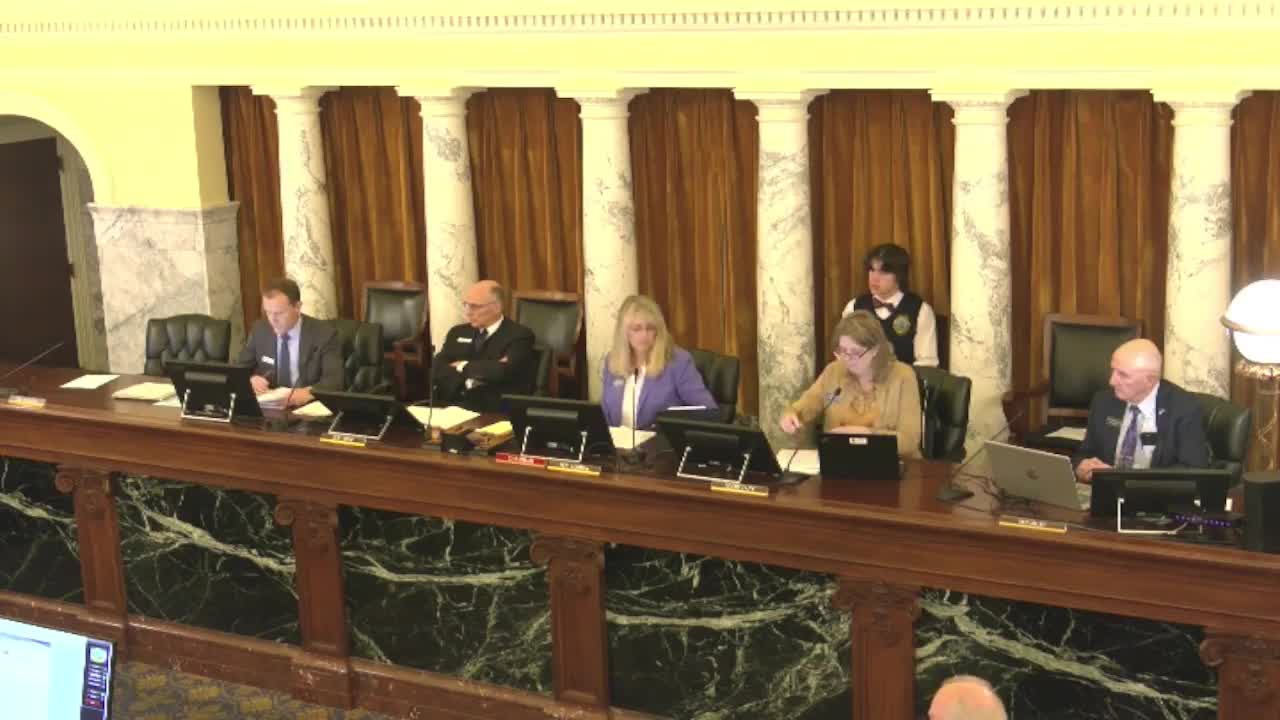
The Joint Finance‑Appropriations Committee on Friday, Jan. 31, approved increasing the appropriation for state employee health insurance to $14,130 per eligible full‑time equivalent for fiscal year 2026, a change the committee said will raise appropriations by $36,043,900 from the general fund, $8,599,500 from dedicated funds and $3,753,800 from federal funds, for a total of $48,397,200.
The vote followed debate among three competing proposals for the per‑FTE health insurance allowance. Committee analyst Mr. Bybee described the three dollar proposals and said “the most significant adjustment in these personnel benefit cost increases is of course the health insurance that I just described.” The committee chose the $14,130 figure after members raised concerns about how reserve balances and prior decisions to “buy down” premiums affect year‑to‑year comparisons.
Lawmakers who argued for funding at the higher governor‑recommended figure said the level better reflects current insurer costs and avoids obscuring future increases by drawing down reserves. Senator Ward Engelking said the governor’s figure “reflects the actual cost of insurance,” and warned that repeatedly using reserves to lower the premium in one year makes next year’s increase look larger than it really is. Representative Furness said the actuarial firm Milliman has tended to be conservative in its projections: “they have consistently been too conservative. And in my business and practice, we fight with actuaries all the time.”
Analysts provided projected reserve balances associated with the different proposals. Mr. Bybee said the $13,960 proposal projected an ending reserve balance for FY2026 of about $51,600,000, while the $14,300 governor recommendation projected about $61,400,000; the midpoint option would fall between those amounts.
Roll calls showed separate tallies for House and Senate members under the committee’s joint voting procedure. The Senate voted 8 aye, 0 nay, 2 absent or excused; the House voted 9 aye, 0 nay, 1 absent or excused, producing a combined total of 17 ayes, 0 nays, 3 absent or excused. The committee’s chair announced the motion passed and “without objection will carry a due pass recommendation.”
The committee also considered, and rejected, an amended substitute motion that would have set the per‑FTE funding at $13,960. That amended substitute failed on a roll call earlier in the meeting.
The committee said it will move the due‑pass recommendation forward as part of the larger budget process. No changes to benefit plan structure were adopted in this vote; separate language on maintaining the current health insurance plan structure and benefits was accepted by unanimous consent earlier in the session and will be reflected in committee documents.