Get Full Government Meeting Transcripts, Videos, & Alerts Forever!
Get email alerts on the Pension System Health topic
No spam. Unsubscribe anytime.
PERSI briefed JFAC on fund health, pension system upgrade and a 1.3% recommended COLA
Summary
The Public Employee Retirement System of Idaho (PERSI) told the Joint Finance‑Appropriations Committee the fund returned about 9% in the last year, ends the fiscal year with roughly $22 billion in assets and is about 87% funded; the agency requested continued spending for a multi‑year pension software upgrade and smaller ongoing enhancements.
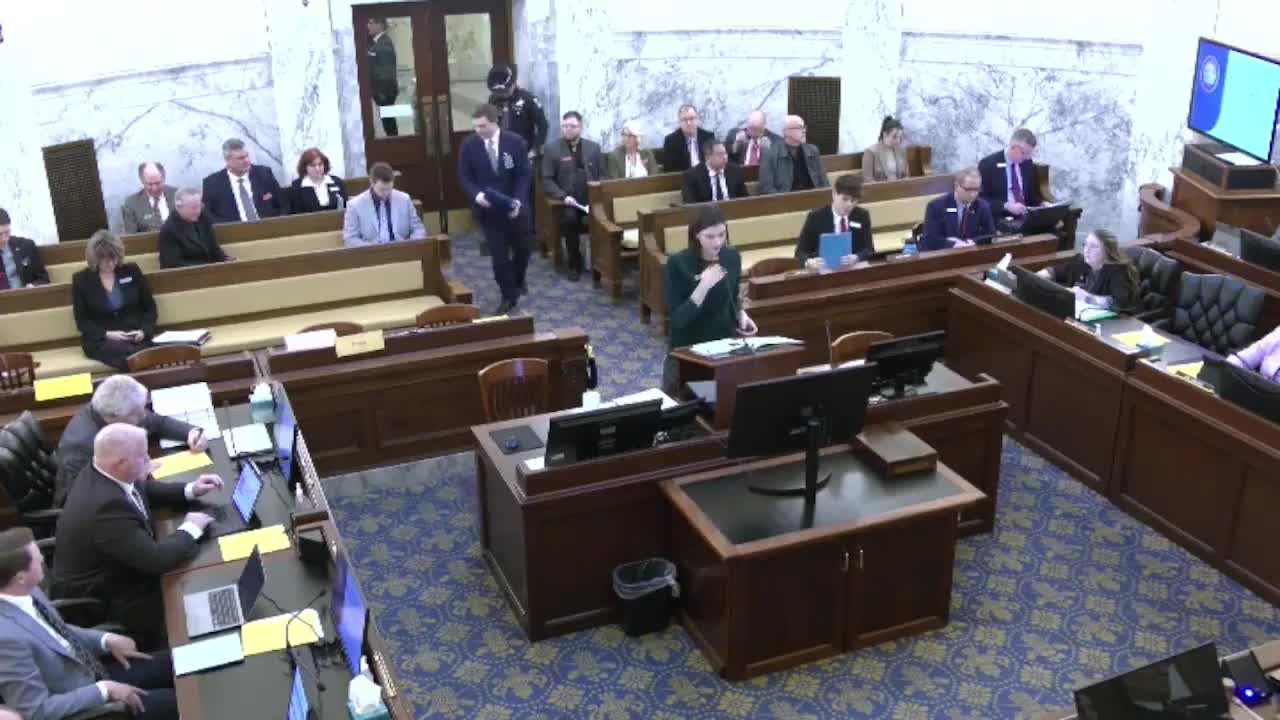
Frances Lippitt, a Legislative Services Office budget and policy analyst, presented an overview of the Public Employee Retirement System of Idaho’s (PERSI) FY 2026 budget and funding structure, including the agency’s two programs (retirement administration and portfolio investment), staffing and the multi‑year pension software upgrade.
Mike Hampton, director of PERSI, joined Lippitt and the board’s trustees to answer committee questions about funded status, the pension software project and the board’s cost‑of‑living adjustment (COLA) recommendation. “In the last year we had our second year of recovery…we had about a 9% return,” Hampton told the committee. He also told JFAC the fund “ended the fund year a little over $22,000,000,000” and that PERSI serves about 185,000 members.
Why it matters: PERSI manages retirement benefits for a broad set of Idaho public employees; its funded status, return assumptions and software infrastructure affect both benefit administration and long‑term contribution requirements.
Key points from the briefing
- Fund size and health: PERSI reported roughly $22 billion in assets and said the funded ratio at the end of the last fiscal year was about 87%. The director described 9% investment returns during the most recent year of recovery following the 2022 market correction.
- Membership and operations: PERSI serves approximately 185,000 members across about 870 public employers in the state and currently authorizes 81 full‑time staff across offices in Boise, Pocatello and Coeur d’Alene. The retirement administration program accounts for most administrative staff; the portfolio investment program is smaller and handles asset management functions.
- Pension software upgrade: The agency previously received one‑time appropriations to begin a pension software modernization; the upgrade is a multi‑year project. Lippitt said a $3 million annual appropriation represents year‑over‑year funding for the five‑year project (a total of about $12 million). The director said maintenance costs are already budgeted and are expected to be comparable after the upgrade.
- COLA process: PERSI staff explained that the statutory mechanism for the post‑retirement allowance adjustment (COLA) contains an automatic 1% adjustment tied to CPI‑U thresholds and that the board recommended an additional 0.3% retroactive payment that would bring the recommended increase to 1.3% for the year if the legislature approves the board’s recommendation.
Lawmakers’ questions and clarifications
- Ongoing vs. one‑time costs: Representative Furness asked whether an inflationary general adjustment in the agency request was ongoing; the director clarified that the governor did not recommend that particular item as ongoing in the executive recommendation.
- Administrative versus investment costs: Representative Manmureng asked whether investment management fees are included in the administrative appropriation; the director said investment management fees are paid from continuously appropriated funds and do not flow through the annual appropriation.
- Levers to maintain funded ratio: Senators and representatives discussed the statutory levers for fund sustainability. The director explained the board can adjust contribution rates and highlighted the current amortization period of about 10.7 years, noting the board considers long‑term sustainability when recommending COLAs.
What was decided and next steps
- The committee asked questions but did not vote on PERSI items during the hearing. The agency’s requests — including year‑four funding for the pension software and recommended enhancements — remain subject to the ongoing budget process.
Ending
PERSI emphasized its high relative funded level compared with many U.S. public pension plans and said it will continue to provide details on software upgrade costs and maintenance as the committee reviews appropriation requests.