Get Full Government Meeting Transcripts, Videos, & Alerts Forever!
Get email alerts on the Youth Sports topic
No spam. Unsubscribe anytime.
Volunteer youth football and cheer programs report growth, training costs and field needs to Recreation and Parks Board
Summary
Representatives of three youth football and cheer organizations told the St. Mary's County Recreation and Parks Board that participation has grown sharply, clubs are self-funded, coaches must complete national safety training, and parking and field conditions remain recurring concerns.
Representatives of three volunteer youth football and cheer organizations on Thursday told the St. Mary’s County Recreation and Parks Board that participation has expanded in recent years, but clubs remain self-funded and face recurring facility and staffing pressures.
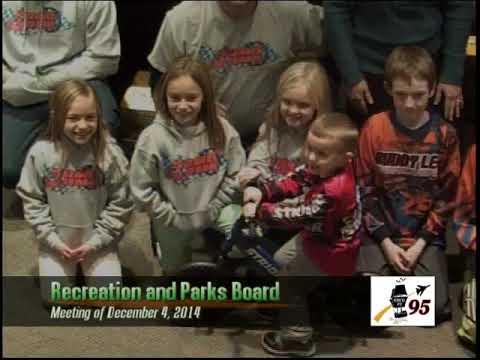
Kerim Norad, representing the Mechanicsville Braves, Richard Abel of the Leonardtown Wildcats and Dave Burrows of the Pax River/Packer Raiders gave a joint presentation describing registration numbers, training requirements and facility needs. The three clubs reported combined participation in the low thousands across football, flag and cheer programs and described their operations as nonprofit and volunteer-run.
The clubs reported rapid growth in several programs: the Mechanicsville Braves said they fielded 12 football teams this year and that their cheer program grew to 136 cheerleaders; Leonardtown reported about 185 football players and 70 cheerleaders across roughly 11 teams and four flag teams; Pax River reported 248 football players and 109 cheerleaders, with 10 tackle teams and two flag teams. Programs range in age from about 5 to 14.
Club leaders said most of their operating revenue comes from registration fees, concessions and local business sponsorships. Abel said the Wildcats bear field and lighting costs themselves and listed a recent lights expense of about $36,100 raised by the club. Burrows said the Raiders covered certifications and coaching-clinic expenses out of nonprofit funds.
All three clubs described stepped-up coach training requirements in recent years. Coaches must complete background checks, national certifications such as USA Football/AYF courses, ‘Heads Up’ concussion and player-safety training and in-person clinics. Presenters said some modules are online, while player-safety instruction and certain clinics require in-person, day‑long sessions, and clubs generally pay those costs.
Leaders also described programming intended to broaden participation and develop players: spring “learn to tackle” sessions, NFL flag in the spring, multiweek camps, coach clinics and open conditioning sessions that invite high school volunteers. Clubs said spring and summer activities helped convert many new participants into fall registrants.
Board and staff members asked about operational issues. Clubs singled out parking congestion at high-attendance sites such as Dorsey Park and requested continued support for field maintenance and coordination on permitting and lighting. Board members and department staff thanked the volunteers and discussed options to provide space for end-of-season banquets and to invite board members to homecoming events to increase awareness.
The Recreation and Parks Department emphasized its role in permitting, field provision and routine maintenance while acknowledging limits on field quality during heavy seasonal use.
The presentation closed with the department and board agreeing to follow up on banquet logistics and continued coordination on field condition planning in advance of the next season.