Get Full Government Meeting Transcripts, Videos, & Alerts Forever!
Get email alerts on the Dna Evidence topic
No spam. Unsubscribe anytime.
Panel approves technical DNA change to process samples for offenders with active warrants
Summary
The committee adopted a substitute and favorably recommended SB 140 to allow the crime lab to process qualifying offenders’ DNA samples when the arrested person has an active warrant (not limited to a failure-to-appear warrant). Sponsors said the change helps clear a backlog of unprocessed felony samples.
The committee adopted a first substitute and then voted to favorably recommend Senate Bill 140, changes intended to let the state crime lab process qualifying DNA samples more consistently when an arrested person has an active warrant.
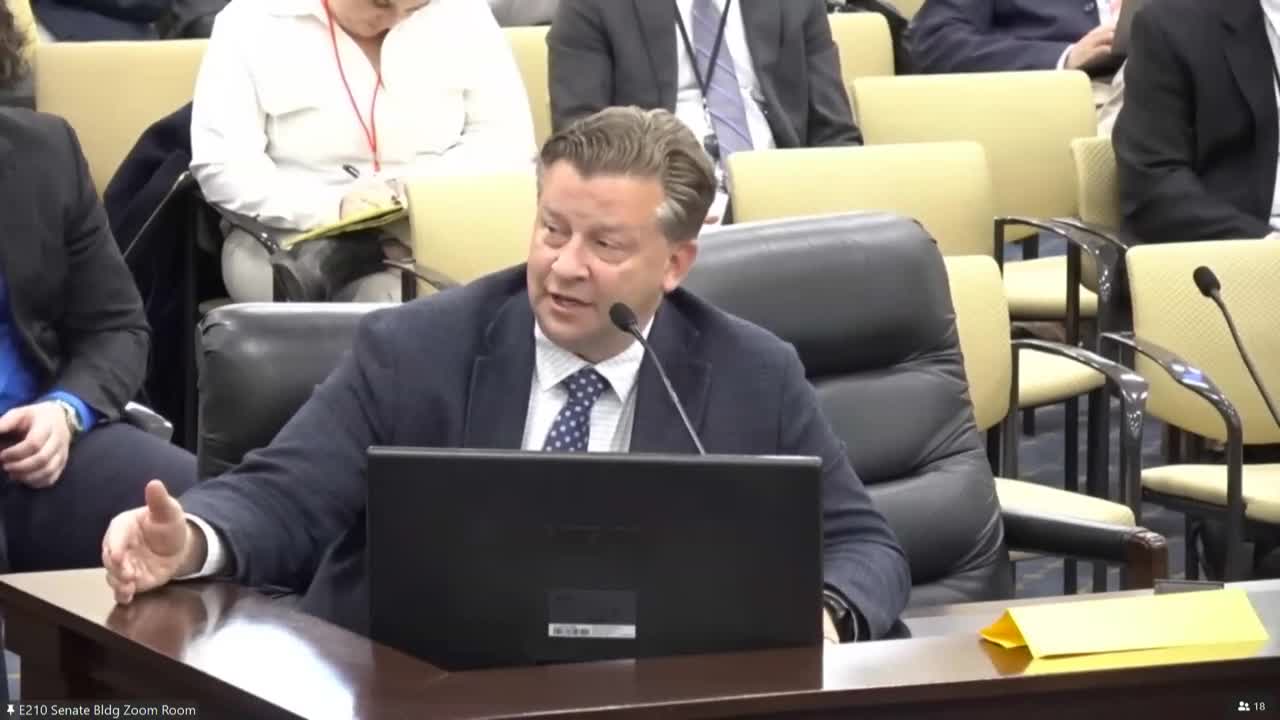
Senator Plumb and Deputy Commissioner Jimmy Higgs of the Department of Public Safety explained that Utah’s current law allowed the lab to process samples when a failure-to-appear warrant existed, but prosecutors and the lab were encountering cases in which a different type of active warrant (for example, a probable‑cause warrant) remained on the record after a person failed to appear. That technical distinction left hundreds of qualifying felony samples unprocessed and out of CODIS, the national DNA index system, the witnesses said.
Higgs told the committee the amendment would allow the lab to process samples for individuals with active warrants broadly rather than requiring a specific failure-to-appear label; he said the change would let the lab eliminate a backlog that includes samples tied to violent felony investigations.
Committee members asked about privacy protections and expungement: witnesses said samples are not processed if charges are later dropped and that individuals may petition for expungement; deputy officials said they provide guidance to arrested persons about how to request removal if no conviction occurs. Senator Baldry asked for an automatic expungement pathway for persons found not guilty; the sponsor agreed to work with committee members on a notification/expungement process.
After brief discussion, the committee adopted the first substitute and passed the bill with a favorable recommendation to the Senate.