Get Full Government Meeting Transcripts, Videos, & Alerts Forever!
Get email alerts on the Fiscal Note Transparency topic
No spam. Unsubscribe anytime.
House Rules committee unanimously backs measure to increase transparency in fiscal-note process
Summary
House Joint Resolution 2, reintroduced by Representative Davie Provo, would formalize a more transparent fiscal‑note process so legislators can better understand how agencies calculate costs; the committee voted unanimously to recommend the resolution and place it on the consent calendar.
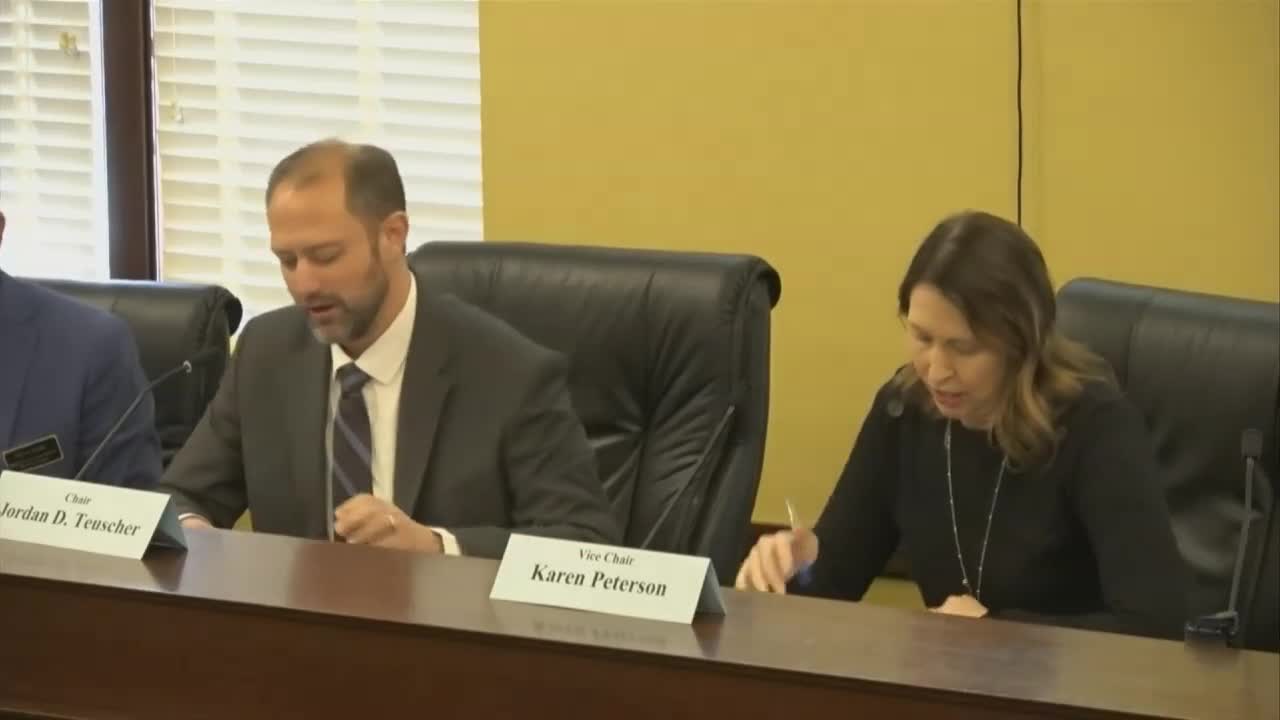
The House Rules Standing Committee on Jan. 31, 2025, unanimously recommended House Joint Resolution 2, a reintroduction by Representative Davie Provo that seeks greater transparency in the fiscal‑note process used to estimate the costs of legislation. Committee members voted to put the resolution on the consent calendar after a short presentation and brief discussion.
Representative Davie Provo told the committee HJR 2 is a carryover from the prior session and aims to give legislators more information about how fiscal notes are produced so sponsors can understand and, when necessary, adjust bills to address fiscal concerns. “You work really hard on a bill and then the bill disappears into the black hole… and out pops this fiscal note that doesn't make any sense,” Provo said, describing frustration with opaque agency analyses.
Provo said the current draft is a compromise intended to increase transparency without imposing an excessive administrative burden on fiscal analysts. The resolution would create a clarified process for legislators and fiscal analysts to work together on information used in fiscal notes; Provo said he and fiscal analysts discussed options to ensure the change would be executable.
Representative Burton moved that the committee favorably recommend HJR 2. Committee members voiced support during discussion and the committee endorsed placement on the consent calendar; Representative Provo agreed to provide lunch as a lighthearted aside and reiterated his intent to keep the measure nonburdensome.
The committee's roll call vote was recorded as unanimous in favor; the chair suggested the resolution would be appropriate for the consent calendar. No public commenters spoke on HJR 2 during the meeting.
If enacted, the resolution would not itself appropriate funds; rather, it aims to adjust the administrative process by which fiscal notes are developed and shared with legislators. The committee did not adopt amendments and provided no additional binding directions to staff at the meeting.