Get Full Government Meeting Transcripts, Videos, & Alerts Forever!
Get email alerts on the Human Trafficking Services topic
No spam. Unsubscribe anytime.
Community Coalition Against Human Trafficking outlines services, housing capacity and referral statistics to PARC
Summary
Kate Trudell of the Community Coalition Against Human Trafficking presented the organization's services to PARC, detailing prevention, emergency shelter and long-term housing programs, and referral statistics for 2024.
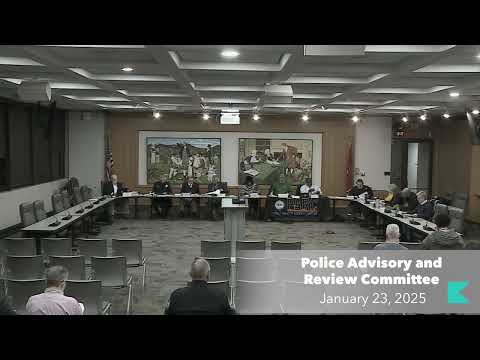
Kate Trudell, executive director of the Community Coalition Against Human Trafficking (CCAH), presented the organization's mission, service model and recent statistics to the Police Advisory and Review Committee.
Nut graf: CCAH described a multi-pronged approach that includes prevention and education, a 24/7 hotline, emergency receiving center (ERC) shelter beds, long-term supportive housing (Phoenix House), and community-based case management and therapy; most referrals come from law enforcement and child-welfare agencies.
Trudell said CCAH serves 33 counties in East Tennessee and is based in Knoxville. The organization described a low-barrier ERC with six beds, a 24/7 hotline that operates from that center, and a Phoenix House long-term supportive housing program with six beds focused on 12-month stays. Trudell said services are free to survivors and provide individualized supports including groceries, emergency assistance and medication access.
Trudell described a youth-services program that provides specialized therapy and care coordination but does not itself provide residential housing for children; CCAH partners with other local youth residential programs and provides community-based follow-up. She noted the organization supports justice-involved survivors with programming in Bledsoe County Correctional Complex and Knox County Jail.
On client demographics and referrals, Trudell said CCAH received 647 referrals last year and served about 590 people; of the 590 served, 15 were male and five were trans or nonbinary. Trudell said many adult clients report childhood exploitation and that ages of referral skew toward adults rather than the 18'to'late-20s group. Funding sources, Trudell said, are about 65% grant-funded (including federal Office for Victims of Crime and Tennessee Office of Criminal Justice Programs) and about 35% from private donors and foundations; CCAH is a United Way partner.
Ending: Trudell asked committee members and attendees to use the organization's 24/7 hotline for referrals and offered training and education resources to PARC and the community; committee members thanked the presenters for the overview and expressed interest in collaboration.