
Resident raises due-process concerns after state unit finds Dutch Neck aide allegation unfounded; administration explains investigatory rules
Get AI-powered insights, summaries, and transcripts
Sign Up Free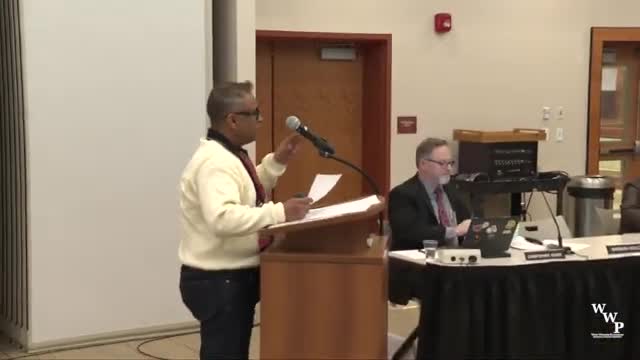
Summary
A resident urged the board to explain the district's investigatory and disciplinary process after a lunch aide at Dutch Neck Elementary was suspended following an allegation; the state gency later found the allegation unfounded, and the superintendent explained how DCP&P, law enforcement notifications and district disciplinary standards differ.
Anurag Ablash, a West Windsor resident, told the board the district failed to provide due process to his father, a 78-year-old lunch aide at Dutch Neck Elementary School, after an allegation of inappropriate student contact on Nov. 25, 2024.
"He was not given a fair chance to access the fundamental details of any investigation," Ablash said, and he said the aide was shown a video clip and informed of an intent to terminate without the opportunity to present context. Ablash said the state ivision of Institutional Abuse Investigation conducted an inquiry that concluded Dec. 4 the allegation was unfounded.
Ablash asked three specific questions about the district's policies: which district document governs the investigation process when a state agency finds allegations unfounded; how the district defines "inappropriate student contact" when there is no finding of abuse; and how context is evaluated.
Superintendent Dr. Adderhold (referred to in the meeting) responded in general terms, saying district investigations follow legal requirements and that state and district definitions differ. He explained that the district must notify law enforcement and the Division of Children Protection and Permanency (DCP&P) when allegations involve a student, and that DCP&P decides whether to accept and review a matter.
"Their definitions differ than district definitions, so conduct could be such that the district finds something inappropriate, that DCP&P does not find the standard of...abuse," the superintendent said, adding that a district determination that conduct is inappropriate does not necessarily require DCP&P or police findings of abuse or criminality.
Dr. Adderhold said the district evaluates evidence such as video showing restraint or marks and that a finding by DCP&P is distinct from the district's employment decisions. He also said employees involved in personnel matters have a right to representation (typically through their association) but that requests for translation services should be made in writing and that the administration found no written request for translation in this case.
Ablash said he was not seeking to contest the termination but wanted clarity on process and fairness for his father and asked the board to point to the district policy documents that apply. The board did not take vote or make a public ruling during the meeting; the matter remains a personnel matter before the board.
Board policy 0167, which sets time limits for public comment, was referenced by the presiding officer before public comments began; the superintendent s part of his remarks escribed the district's legal duties when a student is involved in an allegation.