Get Full Government Meeting Transcripts, Videos, & Alerts Forever!
Get email alerts on the Cannabis Regulation topic
No spam. Unsubscribe anytime.
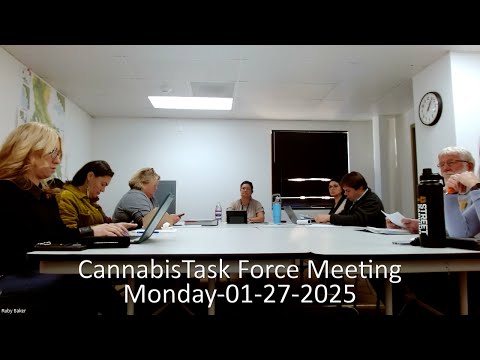
Lake County task force narrows delivery hours, aligns records rules and keeps NOA deadline
Summary
The Lake County Cannabis Task Force voted to recommend that farming operations follow standard agricultural hours while scheduling deliveries between 7 a.m. and 7 p.m., and to align local permit record-retention with state, local and federal rules. The group also confirmed it will not change the water-board "notice of applicability" deadline now.
The Lake County Cannabis Task Force voted unanimously on Jan. (date not specified) to recommend that cultivation operating hours be treated the same as other agricultural operations and that scheduled deliveries be limited to 7 a.m. to 7 p.m., while aligning county record-retention rules with state, local and federal requirements.
The recommendations came after more than two hours of discussion on cultivation operating hours, deliveries during harvest, record retention and a range of related implementation issues. The task force also confirmed it will not seek to change the countys current requirement for a water-board "notice of applicability" deadline at this time.
Why it matters: The changes affect how and when licensed cannabis growers can harvest and move product, and how long permitting records must be kept. Task force members said the goal is to reduce conflicts with neighbors, allow growers to follow standard farm practices (including dawn/dusk harvests and overnight irrigation) and reduce redundant local paperwork by following state and federal retention rules.
Task force action and rationale
The group amended the draft local rules so that "farming operations and activities may align with other agricultural products," while other cannabis business types (processors, retailers) should follow state operating rules, the motion said. Task force member Will (last name not specified) moved the amendment; Jennifer Smith seconded; the vote was taken by voice and the motion passed. Will moved, "I move that we change the operating hours, delivery hours, and construction hours to those that reflect the conversation the task force has had," and the motion was seconded and approved.
Task force members and multiple public commenters described routine farm needs that motivated the change. "During harvest ... you might be looking at multiple days or even weeks of harvest. Getting that window as wide as possible is really important," said Andrew Kramer (public commenter). Growers and processing representatives told the task force that fresh-frozen product must be moved quickly to climate-controlled facilities and that some crop work (foliar feeds, late-day nutrient applications, spraying) is often safer and more effective in cooler, predawn or evening hours.
To address neighborhood impacts, the task force kept a delivery-time limitation. The approved language the group directed staff to draft will specify that scheduled deliveries and pickups related to business logistics be limited to 7 a.m. to 7 p.m.; cultivation activities themselves will be allowed to follow agricultural practice so long as existing noise, light and nuisance regulations are observed.
Records-retention vote
The task force also voted to align local retention requirements with state, local and federal law, rather than keeping an expanded, county-only archive of plant tags and other on-site physical records. "Record retention shall align with state, local and federal regulations," a motion put by Task Force member Jennifer Smith and seconded by Will passed by voice vote.
Staff and several commenters said the county has been combining multiple types of documents (annual compliance reports, site inspection reports, plant tags) and that keeping duplicate physical tag collections creates waste and enforcement burden. Several growers said that much of the cultivation lifecycle is already tracked through the states Metrc system.
Other actions and directions
- The task force voted to leave unchanged the countys current requirement that applicants hold a water-board "notice of applicability" dated no later than the existing cutoff; that item was not opened for revision.
- The panel tabled several items for further staff work, including a proposed rule on voluntary withdrawal of approved projects and a proposal on allowing self-contained RVs on cultivation sites pending additional analysis of infrastructure and health/safety requirements.
- Staff was asked to return draft ordinance language that implements the operating-hours change, the delivery window, and the record-retention alignment so the task force can review legal wording before public hearings.
Public input and concerns
Public commenters voiced mixed priorities. Grower representatives and several farmers argued for open cultivation hours (subject to noise/light limits) because harvest and frost avoidance require dawn/dusk work. "Fresh frozen needs to get off the farm as fast as possible," said an operator during public comment. Neighbors and community members emphasized enforcement of light, noise and traffic rules, and described delays in code-enforcement follow-up for overnight complaints.
Staff context and next steps
County planning staff said the task force has 12 weeks to conclude its work (the group earlier computed the deadline as the end of March from the board meeting date) and that remaining items will be prioritized for future meetings. Staff will draft ordinance text to reflect the task force consensus on operating hours, deliveries and records retention, and return with clarifying language on enforcement and definitions.
The task force made its motions by voice vote; no roll-call tallies were recorded in the meeting transcript. The meeting also included updates and public comments on groundwater, aesthetics, setbacks, and other issues that staff will return with more detailed proposals on at future meetings.
Ending note: The task force scheduled follow-up sessions and instructed staff to prepare draft ordinance language for the items above so the group can review legal wording and bring recommendations to the Board of Supervisors.