Get Full Government Meeting Transcripts, Videos, & Alerts Forever!
Get email alerts on the Law Enforcement Chaplains topic
No spam. Unsubscribe anytime.
Washoe County volunteer chaplains provide confidential mental‑health and spiritual support for deputies, dispatchers and community
Summary
Two volunteer chaplains for the Washoe County Sheriff’s Office described ride‑alongs, dispatch visits, training and crisis debriefs they provide to deputies, dispatchers and residents, and warned of rising youth hopelessness and the need for school mental‑health support.
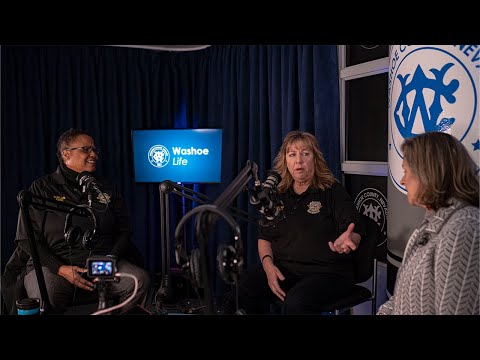
Nancy Lewinhagen, host of the Washoe Life podcast, interviewed two volunteer chaplains who serve the Washoe County Sheriff’s Office about their duties and the kinds of crises they see.
Reverend Dr. Deborah Whitlock Lacks, a pastor at Bethel AME Church in Sparks and a chaplain for the sheriff’s office, and Ginger Howell of the Great Basin Chaplain Corps said the six‑person chaplain team provides confidential, on‑call spiritual and peer support to deputies, dispatchers and community members through ride‑alongs, dispatch visits, critical incident debriefs and community events.
The chaplains described their role as filling a confidential, non‑disciplinary support function for law enforcement personnel and for people in crisis, and said the work includes training, interagency debriefs and referral to local mental‑health resources. ‘‘We have clergy privilege, so it's privileged communication if it's 1 on 1 with us,’’ Howell said, describing an assurance officers and civilians cite when they choose to speak with a chaplain. Lacks said chaplains are often asked to be present at traumatic events and to offer a listening ear: ‘‘If someone needs to talk, if someone needs to unpack, then there's a listening ear that they can pour into, without the concern that, oh, I'm going to lose my job because I'm feeling this way or that way.’’
The chaplains said they operate on a volunteer basis and vary their activity by need: ride‑alongs with patrol, visiting dispatch, attending the detention center, bringing food and brief check‑ins, running trainings every other month with the peer support team and joining multi‑agency debriefs after critical incidents. Howell noted the team supports rural agencies that lack similar resources and has traveled to agencies in Incline to provide debriefs. She said, ‘‘We also do trainings. . . we do training every other month, and it's usually on trauma related type, topics.’’
Lacks described the team’s community activities and partnerships, including faith‑based events such as Bethel AME Church’s law‑enforcement service and an annual ‘‘trunk or treat’’ that brings officers and children together. She said those events help show ‘‘the human behind the badge’’ and build public relationships.
Both chaplains said they track local trends in calls and mental‑health needs. Lacks flagged an increase in youth hopelessness: ‘‘We've had a lot of teen suicides in the past couple years, and, unfortunately, it's not going away,’’ she said, and recommended stronger mental‑health supports in schools. The chaplains also described internal resource lists the peer support team maintains for referrals and named local programs used in response work, including TIP (Trauma Intervention Program) and MOST (Mobile Outreach Support Team).
The two described why confidentiality and clergy privilege matter in their work, and Howell offered a ride‑along anecdote in which a community member asked why a chaplain would accompany a deputy on a non‑crisis call: ‘‘Who are you? What do you do? Wow. Why are you here?’’ She said ride‑alongs and ‘‘walkabouts’’ help normalize chaplain presence so clergy are not automatically associated only with death or crisis.
Lacks and Howell named other chaplains on the team and roles that connect them to the sheriff’s office: Rob Pierce (planning commission), Mike Hogan (retired detective), Re Medeiros (deputy and hostage negotiation team member) and Greg Watson (veteran’s home). Lacks praised local law‑enforcement leaders for an open‑door approach and said chaplains can call on chiefs and the sheriff when needed to coordinate support.
The chaplains described the personal supports and practices they use to manage exposure to trauma, including faith, peer debriefing, training and personal routines. Howell cited prayer, nature and family as stabilizing forces; Lacks emphasized the team network and the importance of debriefs.
At the close of the program Lacks encouraged civic engagement with law enforcement programs: ‘‘I encourage every community person to do a ride along with Sparks or Reno or the sheriff, to get up and close and personal, to be a part of the Citizens Academy, to engage, to be very much involved,’’ she said.
The Washoe County chaplaincy program described in the interview is volunteer‑run, comprises six chaplains and provides confidential spiritual and peer support, training and referral services to law enforcement staff, dispatchers and community members. No formal policy changes or votes were discussed on the program during the interview.