Get Full Government Meeting Transcripts, Videos, & Alerts Forever!
Get email alerts on the Streets Maintenance topic
No spam. Unsubscribe anytime.
Council tables spray-patching contract after weeks-long debate about product life and cleanup
Summary
Council postponed a vote on a 2025 spray-patching contract after extended discussion about the durability of spray patch versus alternatives and cleanup work; contractors offered demos of higher-grade materials.
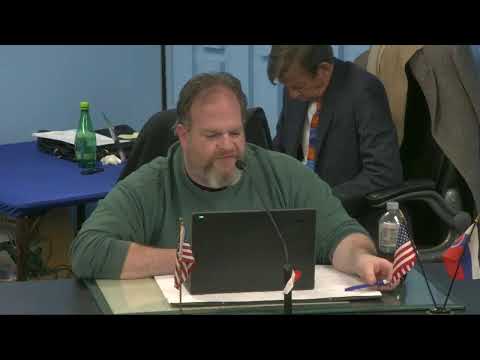
Lincoln Park's Mayor and City Council tabled a proposed contract extension for spray-patching after an extended public debate about the product's durability, post-work cleanup and whether the city should instead pursue longer-lasting repairs.
Council members, public works staff and contractors discussed heavy wear on streets such as Goddard Street after spray-patching and described spray patch as a stopgap that typically lasts months rather than years. Several council members urged the city to pursue hot-mix or higher-end materials and to develop a multi-year plan rather than repeatedly applying temporary cold or spray patches.
Contractors in the meeting said higher-performance products exist. Leo Sacalian of Great Lakes said MDOT has used a material called mastic on highways that lasts significantly longer than conventional cold patch; he offered to arrange a demonstration. He also described a poly-patch bag product that can be applied in low temperatures and a "mastic" product used on I-94 and other routes that he said outperformed conventional materials, though at higher cost.
Councilors said the spray-patching bid before the council did not include post-job cleanup; staff confirmed the contractor subcontracts cleanup in other communities and does not include it in the base contract. After debate, a motion to table the spray-patching contract passed on a roll call vote; council directed staff to pursue alternatives and to return with additional information, including performance and cleanup details.
The council recorded concerns about the cost-effectiveness of short-lived repairs, the need for a multi-year strategy and the availability of better, more durable materials even at higher unit price. At least one council member asked staff to arrange supplier demonstrations for the council and DPS crews before any contract award is finalized.