Get Full Government Meeting Transcripts, Videos, & Alerts Forever!
Get email alerts on the Alcohol Licensing topic
No spam. Unsubscribe anytime.
Pull Up Liquor has city certificate of occupancy; liquor license not yet issued as council, residents press for review
Summary
City staff confirmed Pull Up Liquor received a certificate of occupancy in October 2024 after on-site measurements found it met distance rules; council members, a state representative and neighbors asked for a multi‑agency meeting to review measurement rules and the separate liquor-license process.
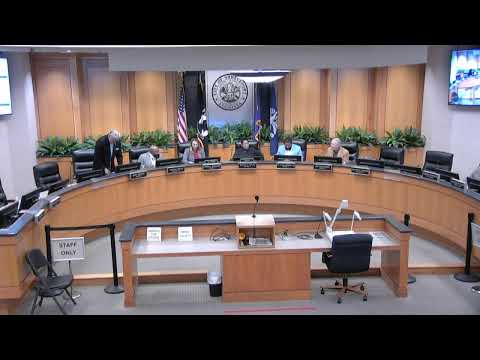
Representative Tammy Phelps and local residents raised concerns at the Shreveport City Council meeting about how a business on East 70th Street received a certificate of occupancy in October 2024 despite community questions about proximity to nearby institutions.
The city attorney’s office told the council that two different legal measurement regimes apply to alcohol-related locations: the Unified Development Code (UDC) measures property line to property line, while Chapter 10 of the code of ordinances measures as a person would walk from the premises’ front door to the property line. Attorney Edwards said Metropolitan Planning Commission (MPC) and Shreveport Police Department (SPD) personnel walked the routes together using measuring wheels and concurred that Pull Up Liquor met the applicable distance requirements, while a different business, East West Grocer, did not.
The distinction matters because a certificate of occupancy is separate from a liquor license. Detective Glass Bradley said Pull Up Liquor has completed a second inspection and “it’ll be signed off on this week,” but that no city or state alcohol license had been issued. Mr. Clark (city building staff) confirmed a certificate of occupancy had been issued, and said his office would re-check the records to be certain.
Representative Phelps said constituents remain unclear about whether an empty building may receive an occupancy certificate; Clark explained the certificate can be issued after building and life-safety checks by building and fire officials as well as MPC review. Attorney Edwards cautioned that the liquor-license process is within the chief of police’s discretion and that if the chief declined to issue a license, the applicant would have the right to appeal to the council.
Council members and residents asked the mayor’s office, MPC, SPD, the city attorney and neighborhood representatives to meet within about a week to review measurement protocols and the permit sequence. Councilwoman Taylor said the group should include Detective Bradley, Attorney Edwards, Mr. Clark, residents and Pastor Sharon Boykins to “be in unison” on next steps.
Why it matters: Residents worried the proximity of alcohol outlets to churches and schools had been assessed under conflicting rules; the council arranged a cross‑agency meeting to review the legal distinctions and confirm the status of both the occupancy certificate and the separate alcohol license process.