Get Full Government Meeting Transcripts, Videos, & Alerts Forever!
Get email alerts on the Extreme Risk Protection topic
No spam. Unsubscribe anytime.
Committee hears bill to prohibit extreme‑risk protections; cities and advocates express concerns
Summary
House Bill 1411 would prohibit the use of extreme‑risk protection provisions in North Dakota; the committee heard sharply differing testimony from supporters who framed the bill as Second Amendment protection and opponents who cited suicide prevention and municipal concerns.
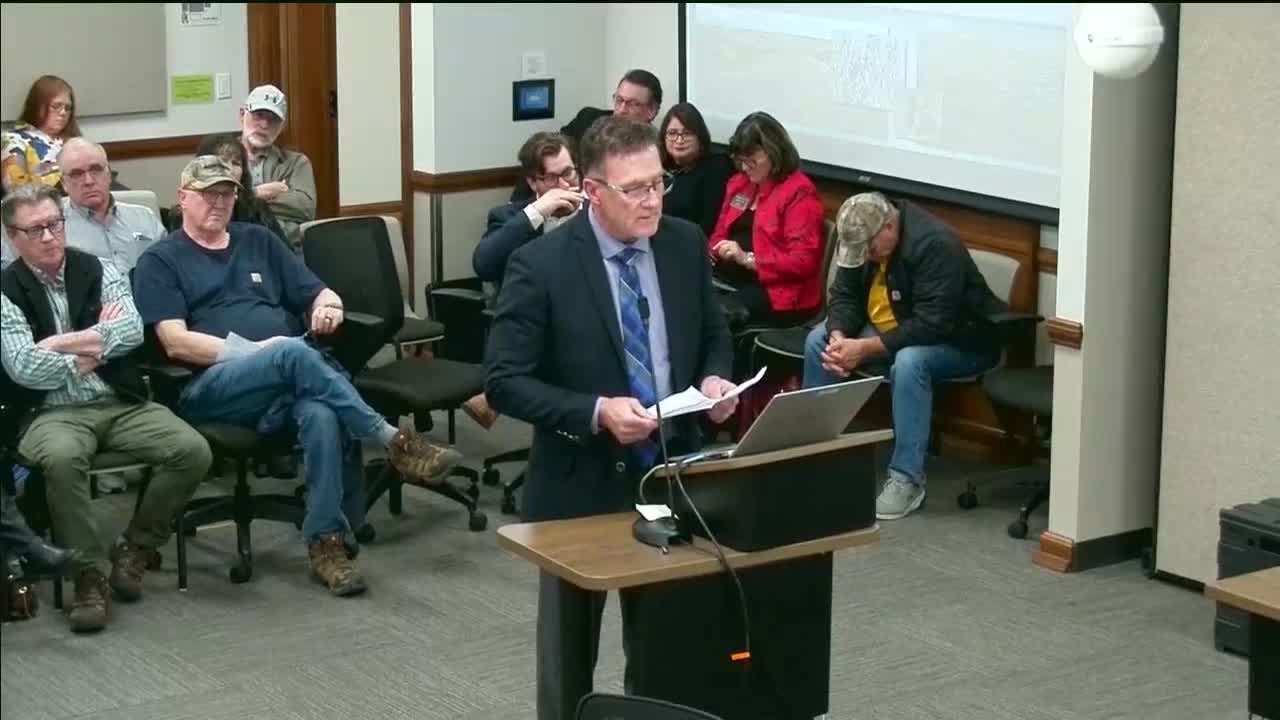
The House Energy and Natural Resources Committee held a hearing on House Bill 1411, which would prohibit state and local extreme‑risk protection provisions and make violations a Class B misdemeanor.
Representative Matt Heilman, the bill sponsor, said the measure is intended to "protect law‑abiding citizens and the right to exercise the Second Amendment," arguing that extreme‑risk orders are often pursued at the federal level and some states have adopted them. Heilman told members he included exceptions in the draft for specific state institutions and other statutory provisions and had discussed the language with law‑enforcement representatives.
Opponents raised concerns about unintended public‑safety consequences. Stephanie Ingebretson of the North Dakota League of Cities said the bill could be overly broad and may constrain routine interagency discussions about protective orders. "I just think there's some concerns with how broad this language is," she told the committee, and she urged a do‑not‑pass recommendation.
Lisa Hermosillo, an advocate with ties to Minot Air Force Base, told lawmakers she works on suicide‑prevention efforts and that restricting extreme‑risk tools could cost lives. Citing military and state data, Hermosillo said firearms are the leading method in both civilian and military suicides and urged lawmakers to prioritize public‑safety tools that enable temporary removal of lethal means in crisis situations.
Heilman said he was willing to amend narrow statutory language to address certain operational concerns identified by law‑enforcement, and committee members asked for additional legal review on the scope and criminal penalties in the bill. No committee action or vote occurred during the hearing.