Get Full Government Meeting Transcripts, Videos, & Alerts Forever!
Get email alerts on the Landlord Tenant Enforcement topic
No spam. Unsubscribe anytime.
County attorney raises capacity and scope concerns about bill authorizing local enforcement of landlord-tenant law
Summary
County Attorney Ron Karl told the Board the bill would authorize counties and cities to enforce landlord-tenant laws and appoint receivers for multifamily properties but lacks needed limits and procedural detail.
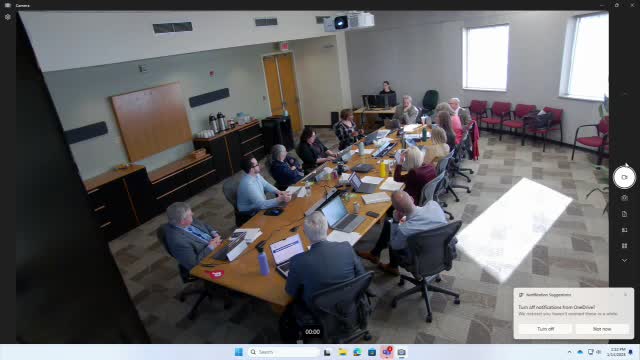
County Attorney Ron Karl told the Arapahoe County Board of Commissioners on Jan. 14 that a bill under consideration at the statehouse would give counties and cities new authority to enforce landlord-tenant law and to seek receiverships for multifamily properties.
Karl said the draft statute is broad and raises both technical and operational concerns. He told the commissioners the bill, as written, appears to allow counties to bring both civil and criminal enforcement actions and to place receivers over multifamily residential properties. The county attorney said criminal enforcement is inappropriate for counties because criminal enforcement is normally the district attorney’s responsibility and because many landlord-tenant violations are not criminal offenses.
Karl urged the board to seek amendments that would narrow the county’s authority to civil enforcement and to spell out available civil remedies and procedures. He noted the attorney general’s office already has civil enforcement authority and that the bill’s current civil language is “bare bones” and lacks specifics on notice, remedies and procedural details.
Commissioners and staff discussed possible policy filters to limit county involvement to cases that rise to a public-health or systemic level — for example, properties violating public-health codes, large-scale fraud affecting many tenants, or clear public-safety threats — rather than routine, day‑to‑day landlord-tenant disputes. Karl and other commissioners warned the practical effect of the statute as drafted could be an unfunded mandate: even if county enforcement were discretionary, citizens and municipalities could shift cases to the county, creating a persistent workload for legal staff and other county departments.
County staff noted the bill’s receivership provisions reference public-health code violations for multifamily properties and suggested tying county civil enforcement authority to the same public-health threshold. Commissioner discussion also raised concerns about the statute shifting responsibility from municipal governments to the county, and about how cities and the attorney general’s office would coordinate enforcement.
Commissioners asked staff to prepare comments and suggested amendments for the bill’s sponsor that would: remove criminal enforcement language for counties, clarify civil remedies and procedures (or point to the AG’s statutory model), and add limiting criteria — for example, a public-health threshold or a demonstration of systemic failure — before the county may intervene. Several commissioners also asked staff to consult with other local governments and the Colorado Counties, Inc. (CCI) association about unified positions and next steps.
The board did not take a formal vote; commissioners agreed to prepare feedback for the bill sponsor and to continue discussing the item at upcoming legislative briefings.