Get Full Government Meeting Transcripts, Videos, & Alerts Forever!
Get email alerts on the Public Safety Station5 topic
No spam. Unsubscribe anytime.
Bay City commissioners hear options to reopen Fire Station 5; staff costs, building repairs and funding sources debated
Summary
Presentations and public comments emphasized neighborhood response-time risks and the costs of reopening Station 5, with staff citing an estimated $386,318 in repairs plus personnel costs about $1.6 million in year one; commissioners discussed millage, bonding and ARPA funds as possible sources.
Bay City officials and residents on Feb. 3 debated options to repair and re-open Fire Station 5, hear estimates for equipment and personnel, and consider possible funding sources including millage, bonding and reallocated general-fund dollars.
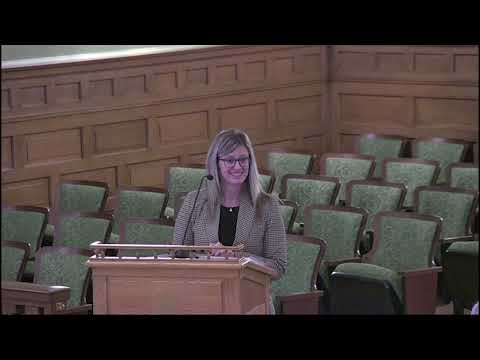
Public Safety staff presented a packet of estimates for Station 5 that included building repairs, mold remediation and equipment. The presentation listed an overall estimate for Station 5 repairs and equipment at about $386,318. Staff said personnel costs to staff the station with two firefighters as called for in an earlier resolution would be about $1.6 million in the first year and rise to more than $2 million by the third year; staff noted additional start-up equipment costs of roughly $100,000. The department also said an engine replacement could cost about $874,000.
The presentation and subsequent discussion stressed that building repairs are largely one-time capital costs, whereas personnel costs recur annually. The director said the city has used federal ARPA funds for water lead-line work and that the ARPA program previously provided a $10 million allocation for lead-line replacement; commissioners discussed the constraints on when and how ARPA and other funds may be used.
Commissioners and staff discussed options for funding: reallocating general-fund balances above the 20% reserve target, bonding (staff cited about $23.5 million of bonding capacity without a millage and up to approximately $30 million with a millage), seeking grant funding and proposing a dedicated millage. Commissioners noted mutual aid from Bangor Township and automatic aid agreements but also said mutual aid is no substitute for neighborhood stations because geography and bridge/rail bottlenecks can affect response times. City staff and the presenter said Bangor Township mutual-aid units could generally reach the Banks area in under five minutes when dispatched.
Commissioners asked for more detailed, contractor-level estimates and for a strategic plan that would include public-safety infrastructure and staffing needs, timeline and financing options. Several commissioners and members of the public urged repairing Station 5 and restoring neighborhood coverage; others emphasized that adding ongoing personnel obligations requires stable recurring revenue.
Public commenters from the Banks neighborhood and the South End urged quick repairs and staffing for Station 5, argued that neighborhood stations improve response times, and asked the commission to prioritize public safety when allocating one-time surplus funds.
The commission agreed to pursue a work plan: staff will assemble more detailed contractor estimates, identify which funds can legally and practically be used for station repairs and staffing, and return with a proposal and timeline. Several commissioners proposed forming a committee or work group to develop a 20-year infrastructure and staffing strategy for public safety and to consider potential millage proposals for a future ballot.