Get Full Government Meeting Transcripts, Videos, & Alerts Forever!
Get email alerts on the City Finance Audit topic
No spam. Unsubscribe anytime.
Bay City audit: independent firm issues unmodified opinion for fiscal year ending June 30, 2024
Summary
An independent auditor presented the city's annual comprehensive financial report, reporting an unmodified opinion and noting increases in property-tax and state-shared revenues; auditors identified no material weaknesses and no single-audit findings.
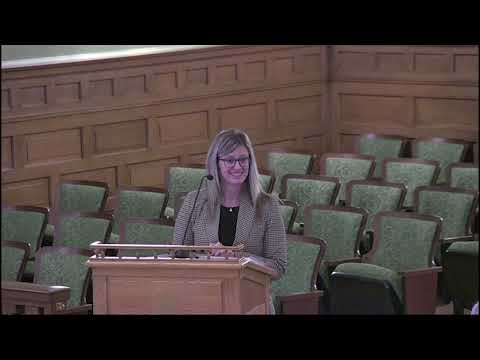
An independent audit of Bay City’s financial statements for the year ended June 30, 2024, was presented Feb. 3 to the Bay City Commission and resulted in an unmodified opinion, the highest level of assurance an auditor can provide.
The auditor said the city’s general fund reported about $25.6 million in revenues and about $23.8 million in expenditures for the year, leaving revenue ahead of expenditures by about $1.8 million. The audit partner presenting the report said taxes made up roughly 52% of general fund revenue, including about $9.5 million in property taxes and about $2.6 million in payments in lieu of taxes, and that state-shared revenue and grants comprised about 26% of the total. Combined, property taxes and state distributions accounted for about 78% of general fund revenue.
The audit partner also described the city’s fund results for enterprise utilities. Electric operating income was reported at about $5.7 million; the water fund recorded an operating loss of about $1.7 million (partly tied to actuarial adjustments to pension and OPEB liabilities); and the sewer fund showed operating income of about $547,000. The presenter noted that some transfers and nonoperating items -- including ARPA-supported lead-line work in the water fund -- affect the net positions of those funds.
The auditors reported no material weaknesses or significant deficiencies in internal control over financial reporting. The single-audit review of federal spending (including the Coronavirus State and Local Fiscal Recovery Fund) identified no findings. The auditor offered several verbal recommendations, including improved completion of annual conflict-of-interest forms and attention to a new accounting standard for subscription-based IT arrangements.
Commission members asked for copies of the audit materials with packet delivery in the future so commissioners can review prior to meetings. Commissioners also asked clarifying questions about the actuarial adjustments that increased expenses in the utility funds and about how enterprise fund cash and rates interact with the general fund budget. City staff explained enterprise funds are self-balanced and that transfers to the general fund occur primarily through a formal payment in lieu of taxes from the utilities.
Commissioners reviewed the city’s fund balance policy: the commission has a fund-balance target of 15–20% of the prior year’s amended expenditures. City staff said the general fund balance was a little over $7 million, with the 20% target around $5 million and thus an excess roughly $2 million above the 20% cap; past practice has been to transfer amounts above the cap into the public improvement fund or to reserve for capital needs. The auditor noted the certificate of achievement from the Government Finance Officers Association for the prior year’s report.
The auditor invited further commissioner questions and noted the full annual comprehensive financial report and the single-audit package will be posted on the finance department website and made available in the clerk’s office.
The presentation closed with thanks from the auditor to city staff for their cooperation in completing the audit by the December filing deadline.