Get Full Government Meeting Transcripts, Videos, & Alerts Forever!
Get email alerts on the Military Sexual Assault Response topic
No spam. Unsubscribe anytime.
Subcommittee approves substitute for bill to create victim advocacy program in Virginia military forces
Summary
The House Public Safety Subcommittee voted 4-2 to report a substituted version of HB 2520, which would establish an offense prevention and response program within the Department of Military Affairs to provide victim advocacy and reporting options for members of the Virginia National Guard and Virginia Defense Force.
A House Public Safety Subcommittee substitute to HB 2520 that would create an offense prevention and response program within the Virginia Department of Military Affairs was reported out of committee on a 4-2 vote.
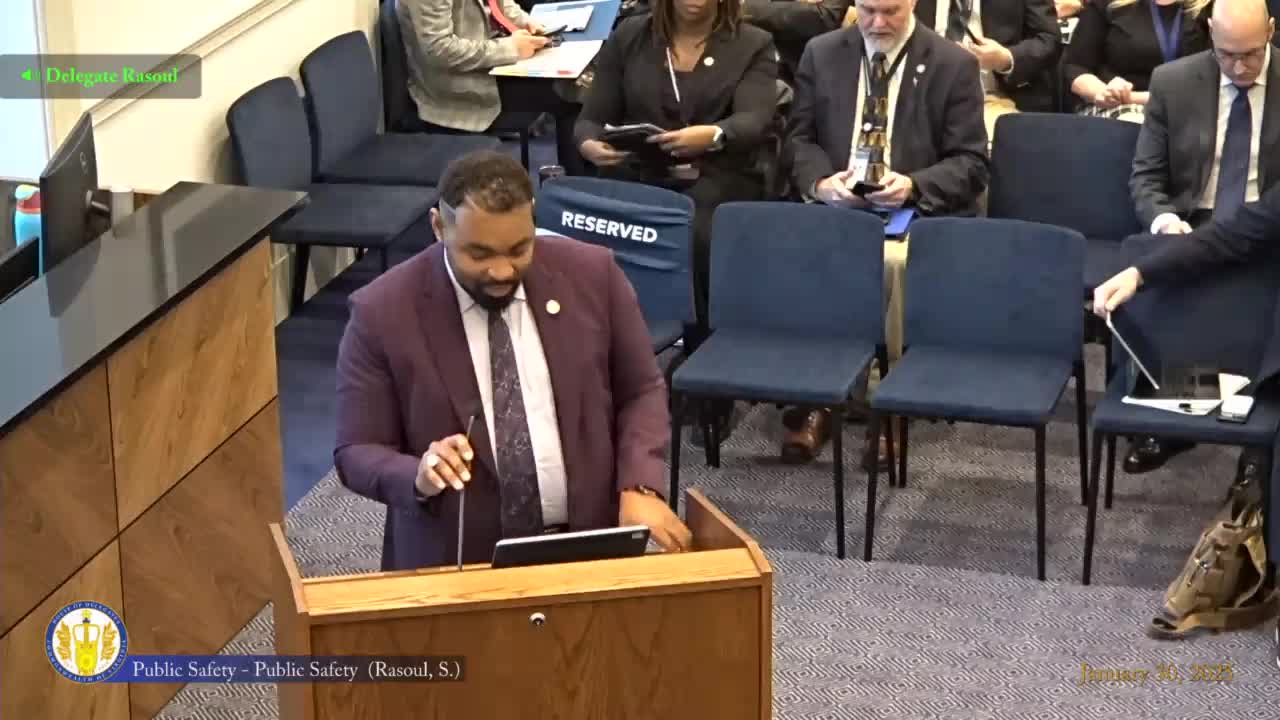
The bill, carried by Delegate Josh Cole, would assign an offense prevention and response officer to assist members of the Virginia National Guard and Virginia Defense Force in making restricted or unrestricted reports of sexual assault and in accessing victim advocacy services. The substitute was described to the panel as a technical fix addressing due-process concerns identified in related legislation.
The committee heard emotional testimony from Ginny Vannes Payne, a U.S. military veteran, who described multiple incidents she said she experienced during service and urged passage. "I served in the US Armed Forces for 4 and a half years," Payne said in testimony, describing long-term physical and mental impacts. Her husband, Richard Payne, also testified, saying an independent reporting unit could make data more reliable and remove pressure on units to produce certain outcomes.
Delegate Josh Cole told the subcommittee the bill would require the adjutant general to submit an annual report on the program’s implementation and effectiveness. Delegate Munden King moved to report the substitute; the clerk closed the roll with the bill reported 4-2.
The substitute language was described by committee counsel as addressing due-process concerns in the bill’s first two sections related to preliminary protective orders and the use of military protective orders as evidence.
The committee did not take further amendments at the hearing. The bill will proceed in the House process with the committee’s recommendation.
Votes at the committee on the substitute were recorded as 4 yes, 2 no.