Get Full Government Meeting Transcripts, Videos, & Alerts Forever!
Get email alerts on the Local Media Funding topic
No spam. Unsubscribe anytime.
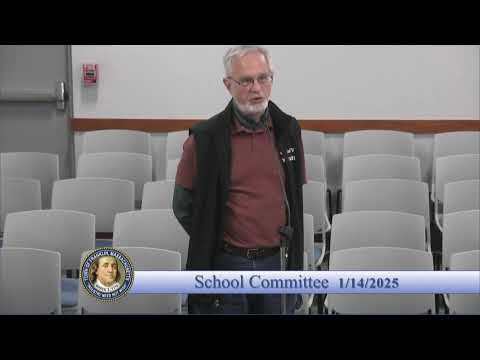
Franklin TV director warns of funding shortfall; urges state action on streaming access fee
Summary
Franklin TV’s executive director told the school committee the station faces declining revenue from cable access fees and urged local support for state legislation to extend access‑fee funding to streaming services.
Franklin TV’s executive director, Pete Faziano, briefed the School Committee on local public‑media operations and a looming funding risk tied to cord‑cutting.
What Faziano said: Faziano said Franklin TV operates as a nonprofit that runs public, education and government channels and also operates WFPR‑FM. “Our annual operating budget currently is around $600,000,” he told the committee, and he estimated the replacement market value of services the nonprofit provides at roughly $1.5 million a year. He said revenues derived from cable access fees collected through cable providers have fallen as more households move away from traditional cable packages.
Policy push: Faziano outlined pending Massachusetts legislation to create an internet entertainment fee — commonly described as a streaming or “Netflix” fee — that would apply to online streaming subscriptions and generate a new funding stream for local access channels. He said similar measures exist in other states and that Massachusetts bills have been harmonized in the House and Senate but were pulled from last year’s state budget for technical reasons. He urged the committee and other municipal bodies to send letters of support to state legislators.
Why it matters: Committee members noted that Franklin TV’s broadcasts of board meetings, sports events, concerts and graduation ceremonies extend civic access and argued that loss of local access infrastructure would make compliance with open‑meeting and public‑records expectations more difficult and reduce community access to civic information.
Local steps and ask: Faziano asked the town and partners to support the legislation and to coordinate a broader municipal response. Committee members agreed to consider drafting a formal letter of support and suggested engaging other towns and local bodies to build a coalition.
Ending: School Committee members praised Franklin TV’s service and discussed next steps, including outreach at upcoming municipal and legislative forums.