Get Full Government Meeting Transcripts, Videos, & Alerts Forever!
Get email alerts on the Rural Health Opportunities Program topic
No spam. Unsubscribe anytime.
Committee hears LB119 to codify Rural Health Opportunities Program, aiming to boost rural health workforce
Summary
Senators and education and health officials urged codifying the Rural Health Opportunities Program into statute to help recruit and retain health professionals from rural Nebraska; lawmakers asked about eligibility, constitutional concerns and funding.
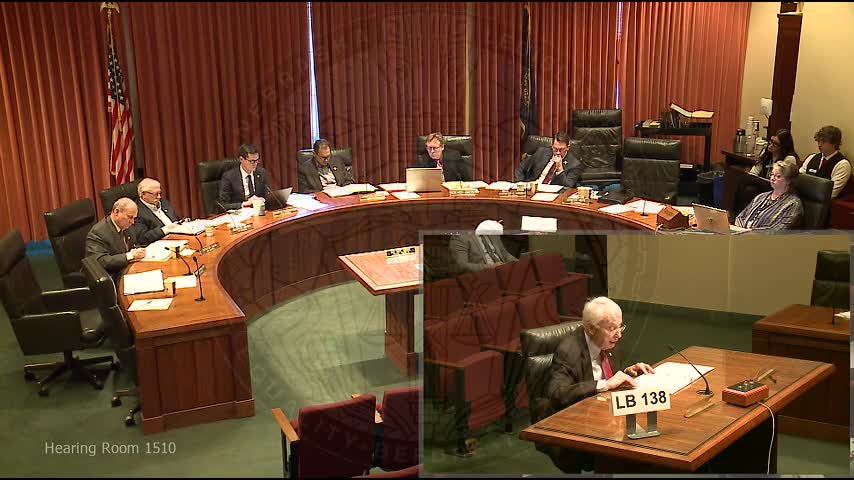
Senator Brian Hardin opened the hearing on LB 119, a bill to codify the Rural Health Opportunities Program (RHOP) and affirm the partnership between the Nebraska State College System and the University of Nebraska Medical Center. "LB 119 will ensure this essential rural health workforce pathway is sustained into the future," Hardin said in his introduction.
Chancellor Paul Turman of the Nebraska State College System and other proponents described RHOP as a long‑running program that recruits rural high‑school students into health‑care pathways at Chadron, Peru and Wayne State colleges, provides tuition waivers at the state colleges, and reserves admission slots to UNMC for qualifying students. Turman said more than 750 RHOP graduates have completed the program, about two‑thirds of whom remain in Nebraska and nearly half return to rural communities to practice.
The bill does not itself appropriate sustained funding but includes intent language and preserves the memorandum of understanding between the colleges and UNMC; Senator Hardin said the colleges will pursue funding through the normal budget process. The Appropriations Committee provided $300,000 for new RHOP recipients in one year, rising to $600,000 for the 2024–25 biennium, testimony said.
Committee members raised legal and operational questions: whether the program's reserved slots and selection criteria could trigger constitutional equal‑access issues, whether Omaha or Lincoln residents with rural ties could qualify, and whether students accepted under RHOP were required to attend UNMC exclusively. Chancellor Turman said the agreement could be revised to expand eligibility and that the program does not currently impose a loan‑repayment or service‑commitment requirement; instead it uses tuition waivers and pipeline incentives and has shown high retention rates in rural Nebraska.
Proponents from UNMC, the Nebraska State College System, rural school associations, pharmacy groups and workforce advocates asked the committee to advance LB 119, citing evidence the program helps keep clinicians in rural communities. No opponents testified during the hearing and no committee action or vote was recorded.