Get Full Government Meeting Transcripts, Videos, & Alerts Forever!
Get email alerts on the White Stadium topic
No spam. Unsubscribe anytime.
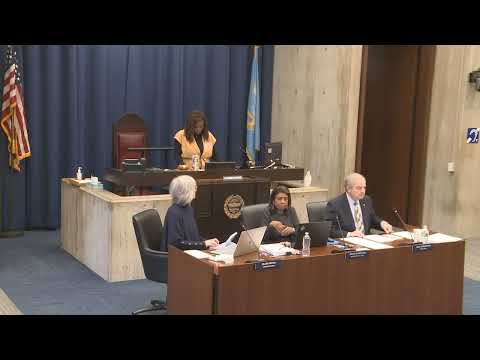
Council debate escalates over White Stadium plan; proposal to pause review fails in tie
Summary
After a nine‑hour hearing and sustained public comment, Councilor Lydia Mejia sought to pause further demolition and require release of final transportation, environmental and supplier‑diversity plans before the city advances demolition. The motion to adopt that pause resolution failed on a 6–6 tie.
Councilor Lydia Mejia on Jan. 29 asked the Boston City Council to pause further demolition work at White Stadium until the city releases final transportation, parking, environmental, supplier‑diversity and alternative design plans and until the council has had an opportunity to review the FY2026 capital budget. Mejia framed the request as a call for “fiscal responsibility” and written commitments that would let the council and neighborhood residents judge the project’s impacts.
The proposal followed a lengthy, nine‑hour committee hearing earlier in the week that brought together city staff, the stadium’s private partners, neighborhood leaders, veterans and advocacy groups. Mejia and other speakers described numerous outstanding questions: final traffic and parking mitigation, a full environmental impact assessment, written supplier‑diversity commitments and public disclosure of the proposed lease and procurement documents.
Supporters of advancing the project warned that a formal pause risks derailing a private‑public plan that backers say will fund a renovation and deliver tens of millions of private investment. Councilor Ben Weber, whose district borders parts of Franklin Park, voiced support for the plan and urged the council not to “leave money on the table.” Backers highlighted commitments from the stadium lessee for annual community payments, a pledge to fund maintenance and a requirement to provide thousands of hours of stadium access for Boston Public Schools student athletes.
Opponents — and some supporters who nonetheless pressed for more information — said community outreach felt inconsistent and that residents remained unconvinced the project’s benefits will offset the local impacts. Councilor Mejia, who brought the pause motion to the floor, argued the city had already passed $50 million toward the project in a recent capital step and that the council should not move more funds or demolition until it had reviewed the FY2026 capital budget and received written plans and guarantees. Mejia said she did not oppose renovation, but asked the council to “do the people’s work” before approving additional commitments.
The motion to adopt a pause resolution passed no council majority. The procedural vote to close debate passed (11–1), then the substantive roll‑call on Mejia’s resolution ended in a 6–6 split and the measure failed. The clerk recorded six yes votes and six no votes; the tie left no council action to stop the administration’s schedule.
Why it matters
White Stadium is a long‑standing public asset in Franklin Park; the debate touches on capital spending priorities, procurement transparency, community benefits for nearby neighborhoods and how the city balances private investment with public control of parkland. Councilors and residents pressed the administration for specific, written commitments — not only verbal assurances — on supplier diversity, traffic mitigation, environmental impacts and formal leasing terms.
What’s next
The administration has said it intends to proceed with its current schedule; opponents and some councilors said they will press for written commitments and continued community work. Relatedly, a separate council resolution asking the city to “fulfill” the Madison Park construction timeline failed earlier in the meeting when it did not gain a majority.
Ending
The tie vote leaves the city administration free to pursue its planned schedule; councilors on both sides signaled they will continue oversight and requested the final technical plans be published so residents can evaluate traffic, parking and environmental mitigation measures.