Get Full Government Meeting Transcripts, Videos, & Alerts Forever!
Get email alerts on the Zoning topic
No spam. Unsubscribe anytime.
Council approves zoning change to allow housing in Bulfinch Triangle
Summary
The City Council voted 10–2, with one absence, to pass a text amendment reclassifying residential uses from conditional to allowed in the Bulfinch Triangle zoning district, a move supporters say will speed housing production while critics warned it could reduce neighborhood review rights.
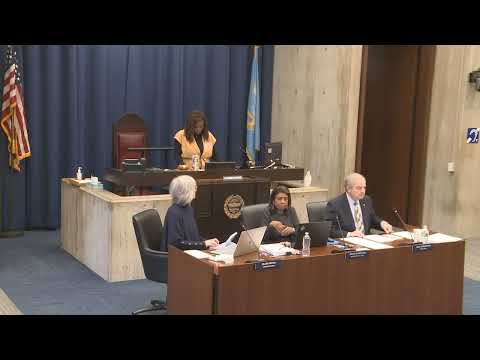
The Boston City Council on Jan. 29 approved a zoning text amendment to make residential uses allowed (rather than conditional) in the Bulfinch Triangle, a central downtown district, in a 10–2 vote with one absence.
Councilor Lydia Durkin, chair of the Planning, Development, and Transportation Committee and the lead sponsor, told the council the change “simplifies the process” for housing developers in a district with strong transit access and said the amendment was supported by the West End Civic Association, the West End Museum and the Downtown North Business Association.
The amendment amends Article 46, Section 9 of the Boston Zoning Code to reclassify certain uses in the Bulfinch Triangle District. Durkin said at committee hearings that the change responds to recent projects where lab uses were allowed while housing required conditional review: “If you were to take our zoning as our values for specific areas, our values right now say housing is less important than lab in the Bulfinch Triangle.”
In committee and on the council floor, supporters argued the change reduces a regulatory “veto point” and will encourage housing development near jobs and transit, which they described as a pragmatic step toward addressing the city’s housing shortage.
Opponents voiced a different concern. Councilor Ed Flynn, who cast one of two “no” votes, said the amendment “would take away a voice for community organizations and neighborhood organizations in the development process” and worried residents would have fewer opportunities to shape projects through conditional-use review. Councilor Michelle Wu Murphy, also voting “no,” said the conditional-use requirement currently provides “a mechanism for community engagement” and urged alternatives that preserve public input.
Planning staff — including Amy Chambers, Director of the Planning and Zoning Division, and Jeff Thomas, Special Assistant to the Chief of Planning — testified in support at the committee hearing and told councilors a redesign of the district’s rules better aligns the code with the city’s housing goals.
With passage, the measure is to be sent to the Zoning Commission for further review; Durkin noted it will not be immediate and that the ordinance still needs additional steps before taking effect.
Votes at a glance
- Docket 0189 (Zoning text amendment; Bulfinch Triangle): Passed in a new draft; tally reported by the clerk as 10 in favor, 2 opposed, 1 absence.
Why it matters
The Bulfinch Triangle sits between downtown, the Rose Kennedy Greenway and major job centers. Supporters say removing the conditional-use requirement will reduce regulatory delay and risk for housing projects; opponents warn this will curtail a formal community review step and reduce residents’ leverage to shape projects.
What’s next
The amendment goes to the Zoning Commission for its review and public hearings before any final regulatory change would take effect.
Ending
Councilors on both sides said they expected continued public comment at the Zoning Commission and through Article 80 and small-project review processes. Durkin said small-project meetings will continue to offer opportunities for neighborhood input even if the use classification changes.