Get Full Government Meeting Transcripts, Videos, & Alerts Forever!
Get email alerts on the Medicaid Budget topic
No spam. Unsubscribe anytime.
OHCA tells Appropriations committee it needs $126 million state share as Medicaid spending rises
Summary
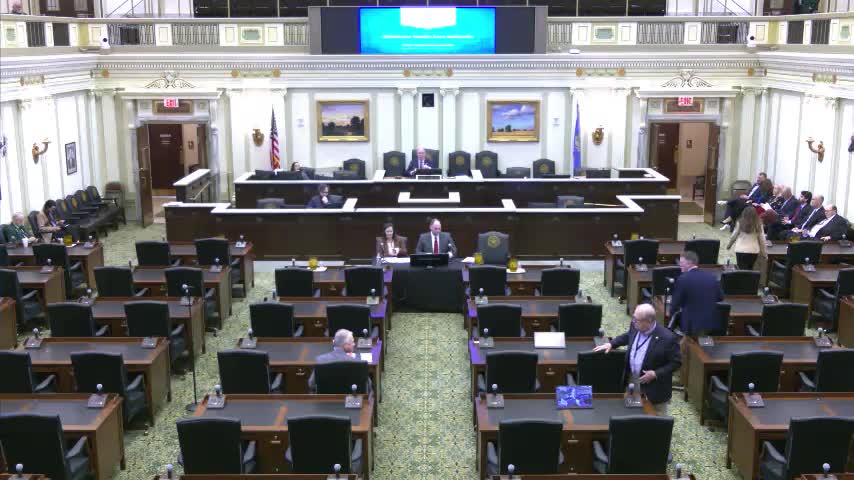
The Oklahoma Health Care Authority laid out its FY2026 funding request and spending drivers during a budget performance review before the Appropriations and Budget Committee. Agency chief executive officer Ellen Bittner said the agency is asking the state for a $126 million share of an overall budget increase and described why Oklahoma’s Medicaid costs are rising.
The Oklahoma Health Care Authority laid out its FY2026 funding request and spending drivers during a budget performance review before the Appropriations and Budget Committee. Agency chief executive officer Ellen Bittner said the agency is asking the state for a $126 million share of an overall budget increase and described why Oklahoma’s Medicaid costs are rising.
The request is tied to continued growth after Medicaid expansion and the end of the federal public health emergency, Bittner told legislators. She said OHCA’s FY2025 budget totaled $11.2 billion, which included a $100 million deposit to a rate preservation fund and a $30 million self-funded long‑term care rate increase.
Why it matters: Medicaid is one of the largest elements of the state budget and draws a federal match that can change from year to year. A shift in the federal medical assistance percentage (FMAP) would change how much of Oklahoma’s Medicaid cost the state must cover; committee members pressed agency leaders on how the state would respond if federal matching rates fell.
Key spending drivers and agency actions
Bittner credited Sooner Select, Oklahoma’s new capitated Medicaid delivery model, for concentrating many members into managed care. She said the managed‑care transition moved roughly 600,000 Oklahomans into the Sooner Select plans (two dental plans, three medical plans and a children’s specialty program) and enabled new directed payments and provider incentives that increased provider payments in the short term.
Since implementation last April, Bittner said OHCA paid about $758 million in SHOP directed payments to hospitals and nearly $50 million in enhanced payments to individual providers through a new incentive program. She also said OHCA collected about $765 million in drug rebates last year, helping offset pharmacy spend.
Enrollment and program changes
OHCA officials said the agency completed the public health emergency unwind and redetermined eligibility for about 1.4 million members. Bittner said that although total enrollment dropped from its peak, the members who remained on the rolls are, on average, more likely to use services — driving higher per‑enrollee costs for pharmacy, inpatient hospitalizations and behavioral health care.
Federal funding and the FY2026 ask
Bittner described the FY2026 ask as leaning on a mix of state dollars and federal matchable funds, and she told the committee the state share requested is $126 million while the total budget increase shown in agency materials is roughly $357 million. She and committee members discussed the risk that changes to FMAP or other federal funding policies would shift costs to the state.
Committee members asked how OHCA would respond if federal funding changed. Bittner said the state has a statutory rate preservation fund that the legislature has built over several years; she said the fund is projected to be near $600 million at the end of the fiscal year and could be used to cushion FMAP swings. She cautioned that if that reserve were exhausted the state would have to consider alternatives such as provider rate reductions or program cuts.
Cash flow and program integrity
OHCA officials told legislators the agency pays roughly $200 million each week for capitation and fee‑for‑service payments and therefore must manage cash carefully. Bittner highlighted OHCA’s historically low PERM (payment error rate measurement) scores and said the agency’s 2022 PERM error rate was 1.95%, with a claims processing error rate near 0%.
Other operational items
Bittner described administrative and operational work that bears on costs: a recent transfer of the Employee Group Insurance Division (EGID) from OMES to OHCA (about 100 employees), a multiyear Medicaid enterprise system reprocurement (the “MES” system), and pilot member‑experience tools including an AI call‑center technology planned for rollout later this fiscal year.
Committee questions and follow-up
Representative Williams asked whether the $126 million state share would “leverage” federal dollars; OHCA staff said the state share is intended to draw down federal match but acknowledged the federal government could change matching rules. Representative Chapman pressed the agency to explain a roughly $700 million reduction in reserves from prior years; Bittner said earlier enhanced federal funding during COVID created one‑time reserves that OHCA used in FY24 and FY25.
What’s next
OHCA presented its FY2026 funding request to the committee and answered questions; agency staff signaled they would provide follow‑up details on several items, including final PERM numbers when available and specific fiscal impacts for potential coverage changes. Chairman and committee members asked that OHCA be responsive to provider complaints about claims processing and to provide additional information about cash‑flow and match scenarios.
Ending
Bittner closed by thanking the committee and reiterating OHCA’s intent to follow up on specific items raised during the review.