Get Full Government Meeting Transcripts, Videos, & Alerts Forever!
Get email alerts on the Parking Digital Permits topic
No spam. Unsubscribe anytime.
Revere to switch to digital resident parking permits and add license-plate readers in 2025
Summary
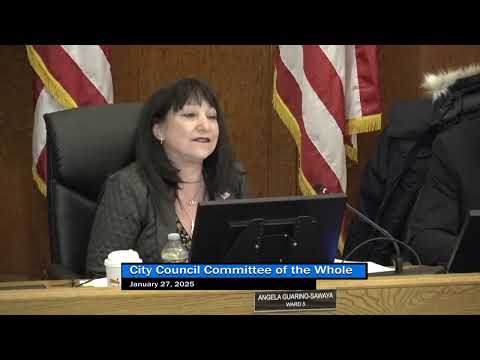
Revere will move from physical resident parking stickers to digital permits tied to vehicle license plates and begin a pilot of mobile automatic license-plate recognition (ALPR), parking officials told the Revere City Council on Jan. 27.
Revere will move from physical resident parking stickers to digital permits tied to vehicle license plates and begin a pilot of mobile automatic license-plate recognition (ALPR), parking officials told the Revere City Council on Jan. 27.
Zach Bogle, the city’s parking director, said the digital permits will take effect March 1, 2025, and will allow license plates to serve as resident and visitor permits instead of windshield stickers. “No longer will you have a sticker on your windshield,” Bogle said. He told the council the change will be accompanied by ALPR cameras mounted on parking fleet vehicles to speed enforcement and to integrate with police systems for stolen-vehicle alerts.
The changes matter because they alter how residents prove eligibility for overnight and neighborhood parking and how the city enforces visitor-pass limits. Bogle said the city issues roughly 29,000–30,000 resident and visitor passes per year and estimated the cost to fulfill a permit will fall from about $3.50 to $1 per permit after the switch. He also said mobile ALPR will reduce the time it takes parking staff to patrol the city from “upwards of a week” to “2 to 4 days, weather permitted.”
Bogle described three central elements of the program: (1) digital, plate-tied resident permits so drivers will no longer need stickers; (2) visitor passes tied to license plates that residents activate through a customer portal, by phone or 311; and (3) ALPR cameras to detect violations, expired registrations, scofflaw plates and, via an integration with the police department’s CJIS system, potentially stolen or otherwise flagged vehicles. He said the vendor, Genetec, will email police with images and location data when the system detects a flagged plate.
On visitor passes, Bogle said residents will be able to change the plate associated with a pass instantly using the online portal; each visitor plate will be allowed up to eight days of activation per month. “If that plate is entered more than 8 days in a month, you are gonna be stopped,” Bogle said, adding the change is intended to curb long-running misuse of visitor passes.
Councilors pressed on operational details, cost and equity. Councilor Greeno Suaya asked if police vehicles would carry the same ALPR equipment on weekends; Bogle said the parking team works seven nights a week and that police would receive automated email alerts from the vendor if a flagged plate is detected. Councilor McKenna raised neighborhood fairness concerns, asking whether a zone-based approach could allow commuters to park near train stations in other wards; Bogle said the system enables zone-based rules and that he would work with ward councilors and the traffic commission to design geographic limits and signage.
On cost, Bogle said an initial ALPR vehicle package costs about $38,000 plus a roughly $6,000 annual subscription; he argued the program’s permit-processing savings would pay for the first system within months. Bogle said the city will maintain in-person, phone and 311-based permit services for residents who lack internet or smartphone access and that the parking office is conducting outreach, including visits to the senior center, Carl Hyman Towers and other sites.
Several councilors asked about special categories: Bogle said the department will continue existing processes for home-care workers, family caretaker permits (with a doctor’s note where appropriate), military leave and medical exceptions. He said the ordinance governing resident and visitor permits and the traffic commission retain control of policy specifics such as the number of visitor passes per household and any limits on on-street stickers for multiunit addresses.
Bogle said the department will pilot ALPR on one vehicle initially, then add a second as needed. He asked councilors to bring any proposed changes to the traffic commission for formal consideration; the parking director emphasized that changes to the number of permits per address or to how many days a visitor plate may be active would require the traffic commission and, where necessary, council votes.
The presentation ended with the parking director inviting further questions and outreach. No formal council vote was taken on the program at the Jan. 27 meeting; councilors requested continued coordination with ward representatives and the traffic commission before any ordinance changes.
The council’s next steps are to continue reviewing implementation details, outreach plans for residents with limited internet access and the traffic commission’s recommendations on zone boundaries and visitor-pass rules.