Get Full Government Meeting Transcripts, Videos, & Alerts Forever!
Get email alerts on the Clean Energy Tax Incentives topic
No spam. Unsubscribe anytime.
Committee adopts compromise substitute to wind down some clean-energy tax credits over 10 years
Summary
The committee unanimously approved a first substitute to HB264 to extend a planned wind-down of commercial clean-energy tax credits to 10 years, allow a four-year claim window for already-approved projects, and repeal language tied to unused small credits.
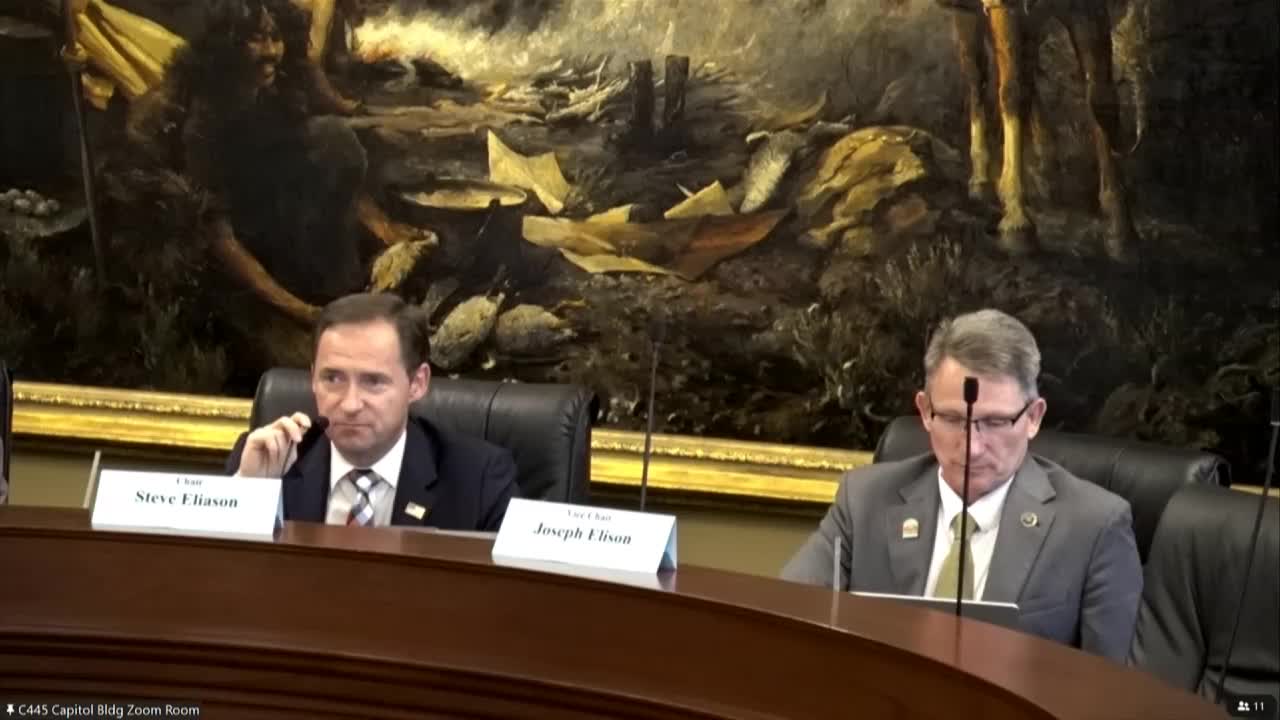
The House Revenue and Taxation Committee on Jan. 30 adopted a negotiated substitute to House Bill 264 that extends a planned wind-down of commercial clean-energy tax incentives and removes expired, unused credit language from the tax code.
Sponsor Representative Kristofferson told the committee the original proposal would have wound down incentives over six years. After discussions with industry, the first substitute extends the wind-down period to 10 years and allows projects that have already applied and been approved a four-year window after project start to claim credits.
"My initial idea was to say in six years, we wind that down...the substitute came about after I talked to several clean industry energy providers and we just came up with compromise," Kristofferson said. He told the committee the incentive program has paid about $12,000,000 per year and roughly $131,000,000 over its lifetime.
The substitute also removes expired tax-credit language for small, unused credits (generally under $10,000) that by statute lapse after a set period, a housekeeping step the sponsor said will clear obsolete code.
AES, a large international energy company with projects in Utah, testified through Shelby Stultz, a government affairs manager, that the company was neutral on the substitute and appreciated the compromise timeline. "We appreciate the sponsors working with the industry on making sure that we reach an agreeable timeline for winding these credits down," Stultz said.
Representative Lisonbee moved the substitute and later moved a favorable recommendation; the committee approved both voice votes unanimously and sent the bill to the House floor with a favorable recommendation.
Representative Daley (Provo) said he supported the compromise but expressed reservations about sunsetting incentives more broadly without a larger policy discussion about tax treatment for all energy development.
The committee did not record a roll-call tally in the transcript; the chair recorded unanimous voice approval for both the substitute adoption and the favorable recommendation. The substitute will proceed to the House floor as recommended.