Get Full Government Meeting Transcripts, Videos, & Alerts Forever!
Get email alerts on the Emergency Communications topic
No spam. Unsubscribe anytime.
Committee advances substitute for HB150 to let 9-1-1 boards close sessions, change bonus metric aggregation
Summary
The House Revenue and Taxation Committee unanimously adopted a substitute to House Bill 150, clarifying how 9-1-1 dispatch bonus metrics are applied and allowing the Utah Communications Authority advisory board to hold closed sessions for sensitive matters.
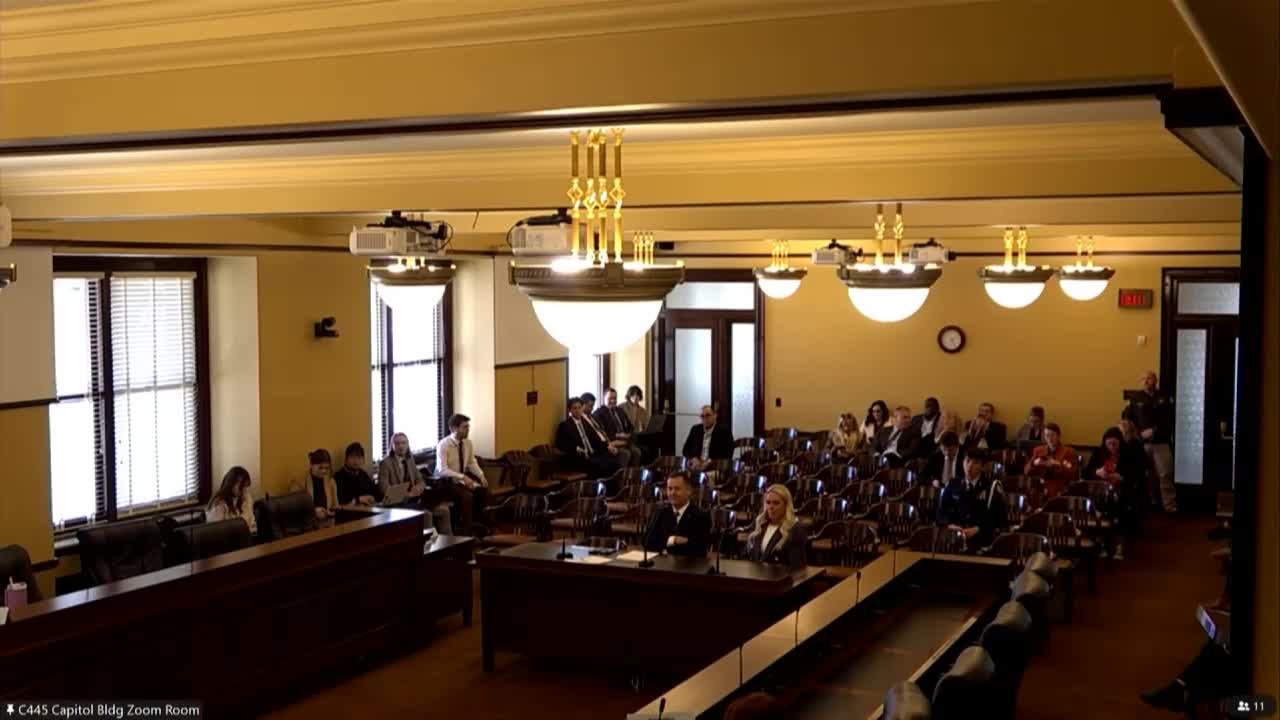
The House Revenue and Taxation Committee on Jan. 30 unanimously approved a substitute to House Bill 150, a measure that changes how certain 9-1-1 dispatch performance bonuses are calculated and allows the Utah Communications Authority (UCA) advisory board to meet in closed session for sensitive matters.
The substitute separates performance metrics so bonuses are calculated at the dispatch-center level rather than aggregated across counties. Proponents said the change means a single underperforming center will not prevent other centers in the same county from receiving year-end upgrades and staffing bonuses.
"All these dispatch centers have metrics that they hit, and just like a regular business...the bonus has been incredibly beneficial for them," the bill sponsor said during the hearing. Tina Matthew, executive director of the Utah Communications Authority, told the committee the state's 9-1-1 routing and rollover engineering will remain unchanged. "If a 9-1-1 does reach capacity due to a major incident...the calls will automatically roll to other 9-1-1 centers based on their ability to take [them]," Matthew said.
Committee members debated whether calculating bonuses at the individual center level could lessen incentives for inter-center cooperation on overflow calls. Matthew said the statewide system routes calls by caller location and preconfigured engineering; a center cannot opt out of rollover routing when it is overburdened.
The substitute also adds a limited authority for the UCA advisory board to convene as voting members in a closed session when sensitive information requires confidentiality, a change supporters described as routine governance cleanup.
Representative Daley (Provo) moved the substitute; the committee voted unanimously to adopt it and then favorably recommended HB150, as substituted, to the floor. Members later voted to place the bill on the consent calendar.
The bill record shows no fiscal note attached in committee discussion and no public opposition during the hearing.
The committee discussion and votes concluded without amendment beyond the substitute. The bill will now advance to the House floor as favorably recommended.