Get Full Government Meeting Transcripts, Videos, & Alerts Forever!
Get email alerts on the Capital Funds Transparency topic
No spam. Unsubscribe anytime.
State budget staff propose new tracking and reporting for capital project funds to prevent commingling
Summary
Legislative staff proposed separating state, higher-education and public-education capital line items, more oversight of transfers, and a 30-day notification requirement for intra-project transfers to give lawmakers clearer sight of funds appropriated for building projects.
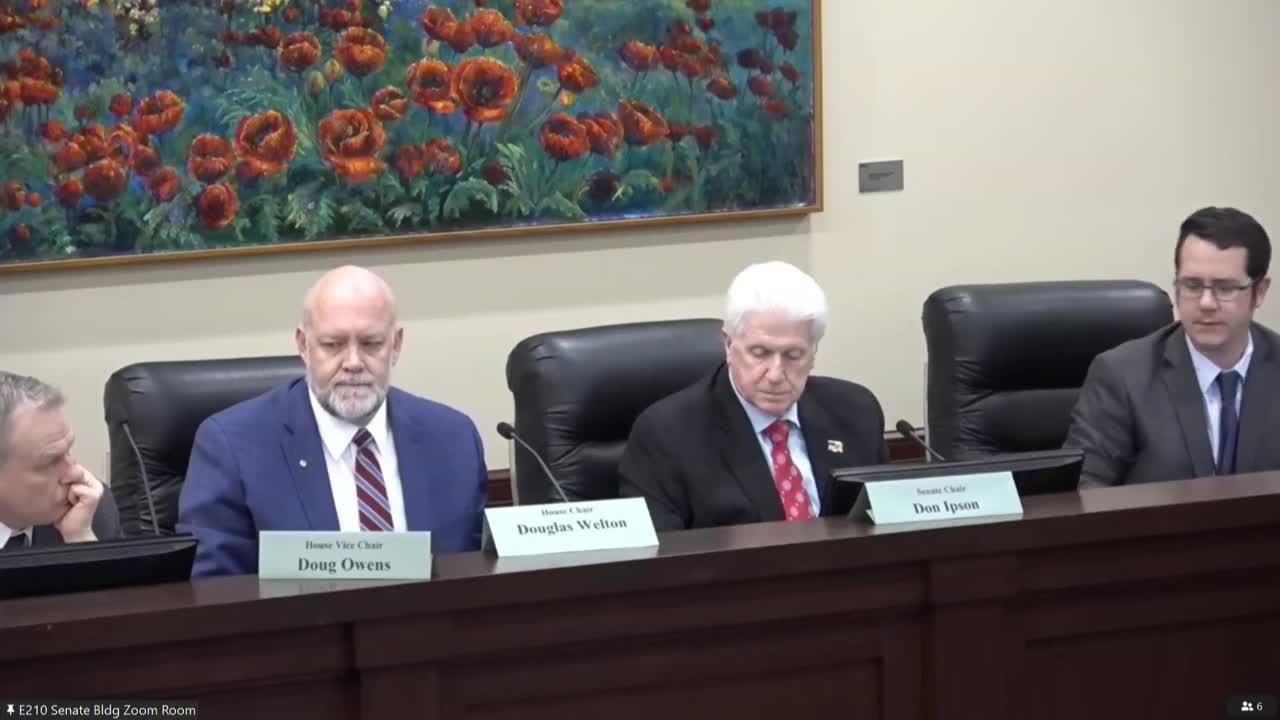
A staff member identified in the hearing as Sean outlined a set of recommendations to improve transparency and oversight of capital project funds managed by the Division of Facilities Construction and Management (DFCM).
"When projects come in under budget, it can be used for contingency or for reserve and applied to other projects," Sean told the Transportation Infrastructure Appropriations Subcommittee, and the office said the current practice has made it harder for the Legislature to track where appropriated dollars ultimately land.
The three principal recommendations presented were: 1) create unique capital-project line items by category (for example, state projects, higher education projects, public education projects) so funds do not commingle; 2) align oversight and documentation of transfers between line items so legislative staff can report appropriation-to-expenditure flows; and 3) develop regular reporting and a 30-day notification to committee chairs when transfers occur.
Nut graf: The proposals are procedural and aim to let the Legislature follow a single dollar from appropriation through project completion, and to provide periodic check-ins similar to fiscal-note follow-up reports.
Sean said the proposals are collaborative with DFCM and GOPB and that the proposed reporting would help chairs and the fiscal office answer questions such as "what's going on with that $10,000,000?" by showing appropriation, current expenditures and remaining balances for a project.
DFCM staff member Andy Mar was invited to comment after the presentation; the transcript records his presence but not a substantive public disagreement with the proposed recommendations.
Ending: The recommendations were presented to the committee as material posted with that day's meeting packet; staff said they will continue to work with DFCM and the committee chairs to refine reporting formats and timing.