Get Full Government Meeting Transcripts, Videos, & Alerts Forever!
Get email alerts on the Housing Affordability topic
No spam. Unsubscribe anytime.
State housing adviser outlines market pressures, preservation and public‑land opportunities
Summary
A senior housing adviser briefed the subcommittee on the state housing shortage, preservation of deeply affordable units, and potential use of underutilized public lands and infrastructure strategies to support more entry‑level housing.
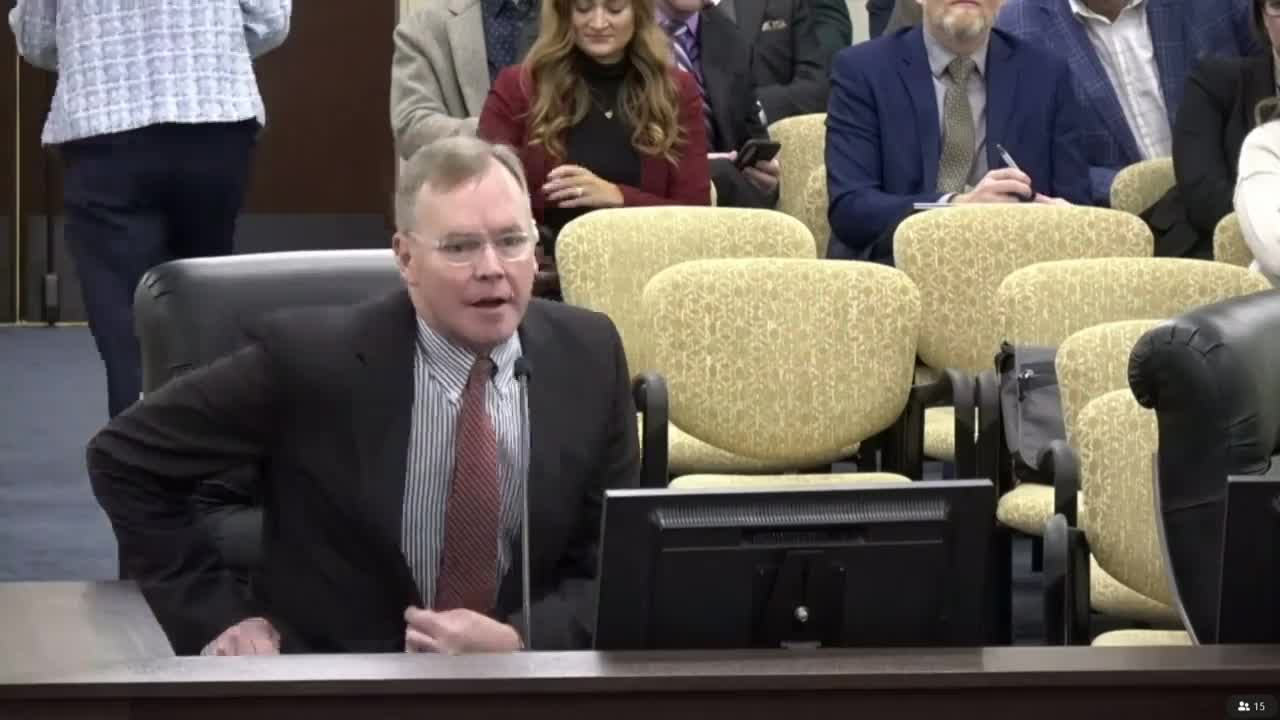
Steve Waldrop, senior adviser (housing), briefed the subcommittee on statewide housing affordability, preservation of deeply affordable units and potential strategies to increase entry‑level ownership opportunities using public assets.
Waldrop said Utah faces a growing shortage of attainable housing and described several initiatives to respond: preserving existing low‑income units at risk of losing deed restrictions, advancing shared‑equity and workforce housing programs, exploring transit‑adjacent public land for housing development, and rethinking regional infrastructure financing so development can pay for large trunk lines and other up‑front costs. He cited several data points: an estimated 77,000‑unit deficit of deeply affordable housing (30% AMI and below), 217,000 acres of BLM and U.S. Forest Service land inside incorporated city boundaries and roughly 650,000 acres within a mile outside cities (which he identified as underutilized opportunities), and recent production figures that showed about 4,661 starter homes sold last year against a stated need of roughly 7,000 units annually.
Nut graf: The adviser urged a mix of preservation, shared‑equity models and targeted public investments in land and infrastructure to expand entry‑level ownership and workforce housing while avoiding large windfalls to private developers when public subsidies are used.
Waldrop described programs funded by recent legislative appropriations — a housing preservation fund (used to acquire and preserve projects when deed restrictions expire), shared equity pilot programs, and Rocky Mountain Homes Fund and Housing Solutions Foundation initiatives that use public subsidy to lower monthly payments for teachers, nurses and other frontline workers. He said the state wants to avoid short‑term subsidy structures that create windfalls for later owners and instead seek long‑term solutions that keep housing affordable for targeted buyers.
When asked about market solutions, Waldrop said the state intends to “prod” private investment through light, targeted interventions rather than replace market forces; he also noted infrastructure (water, sewer, transportation) and labor availability are constraining factors that require regional financing approaches.
Ending: Committee members requested follow‑up on specific infrastructure financing proposals and encouraged the adviser’s office to continue collaboration with municipal partners on planning and public‑land opportunities.