Get Full Government Meeting Transcripts, Videos, & Alerts Forever!
Get email alerts on the Foster Care topic
No spam. Unsubscribe anytime.
Snowline Joint Unified fireside chat spotlights foster-family needs: respite, school coordination and clearer supports
Summary
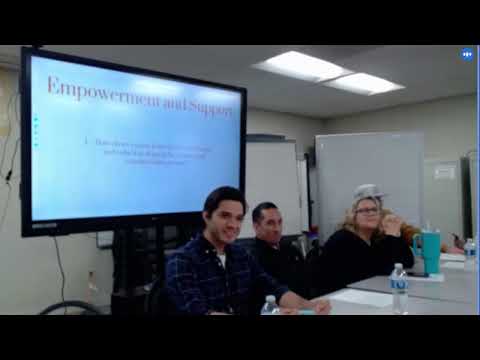
Snowline Joint Unified held a fireside chat in which foster parents, school staff and district social workers discussed barriers that make participation and daily care difficult for families who host foster youth and proposed several district- and county-level supports.
Snowline Joint Unified held a fireside chat in which foster parents, school staff and district social workers discussed barriers that make participation and daily care difficult for families who host foster youth and proposed several district- and county-level supports.
The conversation centered on practical obstacles such as tight timelines for medical appointments and school paperwork, the cost and timing of foster reimbursements, and limited access to vetted respite caregivers. Lindsey, an intern social worker with Snowline Joint Unified, opened the discussion by saying the event aimed to “build a strong, inclusive community, kinda where every foster family feels valued and supported.”
Why it matters: foster caregivers said these operational problems affect children’s school attendance, access to timely medical care and emotional stability. Foster parents described juggling doctors’ and court timelines with school requirements, sometimes missing school so children can meet agency deadlines. One foster parent summarized the administrative strain: “They give us different timelines, you know, 30 days for doctors and and dentists and stuff like that. Sometimes that's just not possible with with our own lives.”
Key concerns and examples
- Coordination among agencies and schools. Multiple foster parents and staff said they often must navigate different requirements from agencies, the county and school sites. Mr. Shaggy, a foster parent who also works at Field Elementary, said the chief difficulty was “getting everybody on the same page” across agencies, district staff and school sites.
- Medical and legal timelines. Caregivers repeatedly cited timelines for medical and dental appointments (often described as a 30-day window) that conflict with family schedules and school attendance. A foster parent described difficulty obtaining a birth certificate or other documents quickly enough to update a child’s name at school, which left a recently adopted child being called different names at home and at school.
- Respite and vetted backup caregivers. Parents asked for more accessible respite options. One parent said she is having neighbors fingerprinted so they can legally provide short-term care and suggested the district or county maintain a vetted list of caregivers: “If you leave the children, you have to leave them with someone who has fingerprint clearance… That is a difficulty.” Staff confirmed background checks are required through the Department of Justice (DOJ).
- Money and timing of payments. Foster caregivers noted that reimbursement or stipend payments are typically provided a month in arrears, and that some supports (for example, coverage for sports fees or respite) may be deducted or otherwise complicated, which creates cash-flow problems when families must pay upfront.
- School engagement and singling out students. Foster parents and principals described uneven contact between school staff and foster families as students move from elementary to middle school. Andrea Bartlett, principal of Quail Valley Middle School, praised caregivers who seek help and said proactive outreach makes it easier to support children, but several parents said they do not always know the name of the counselor at their child’s middle school. One foster parent told the group a son received a backpack at school because he was a foster child and felt singled out, saying the gesture “made him feel uncomfortable.”
Proposed steps discussed (no formal action taken)
- Create a single information packet or services “welcome” package for foster families listing local wellness centers, counselor contacts, referral processes and how school sites use supports such as ClassDojo or Dojo messaging.
- Explore a respite program or scheduled “respite days” hosted by a school site or district facility, and establish a vetted list of backup caregivers cleared for fingerprint/DOJ requirements so parents can leave children for short periods without losing payment or incurring extra costs.
- Streamline enrollment and documentation processes at school sites so routine paperwork (proof of residency, birth certificates, name-change documents) does not force foster parents to miss work or delay school start dates.
- Encourage schools to increase positive, proactive outreach to foster students—brief praise calls or messages when students do something well, and routine check-ins from counselors—so children are not only contacted for problems or IEP meetings.
What participants said
- “We kinda just aim to build a strong, inclusive community, kinda where every foster family feels valued and supported,” Lindsey, an intern social worker, said when opening the meeting.
- “If we can find a way to get us all on the same page, whether through our district with our admin and our social workers or the agency themselves, so we can get them all on the same page, I think that would help a lot,” Mr. Shaggy, a foster parent and Field Elementary employee, said.
- “They don’t even know the school counselor,” a district social worker said of some foster students, adding that middle-school transitions sometimes cause a loss of connection between students and staff.
Context and limits
Participants raised operational proposals but did not record any formal motions or commitments by the district during the chat. Several items discussed — such as creating a vetted respite list, changing how stipends are administered, or altering county timelines for documents — would require county or agency action beyond district control. Staff and parents agreed the district could improve how it shares existing resources and how school sites communicate with foster families.
Next steps mentioned by participants included drafting an informational packet for foster families and exploring the feasibility of respite days at a school site; meeting organizers did not announce a formal timeline or vote on any of these ideas.
Ending
The fireside chat brought together foster parents, principals and district social workers to surface operational barriers and local ideas to support foster families. Participants asked the district to better coordinate with county agencies, create clearer communications and pilot practical supports such as vetted respite caregivers and information packets; no formal district action was taken at the meeting.